
Uncategorized

Uncategorized

5 Warning Signs of Deep Vein Thrombosis You Should Never Ignore

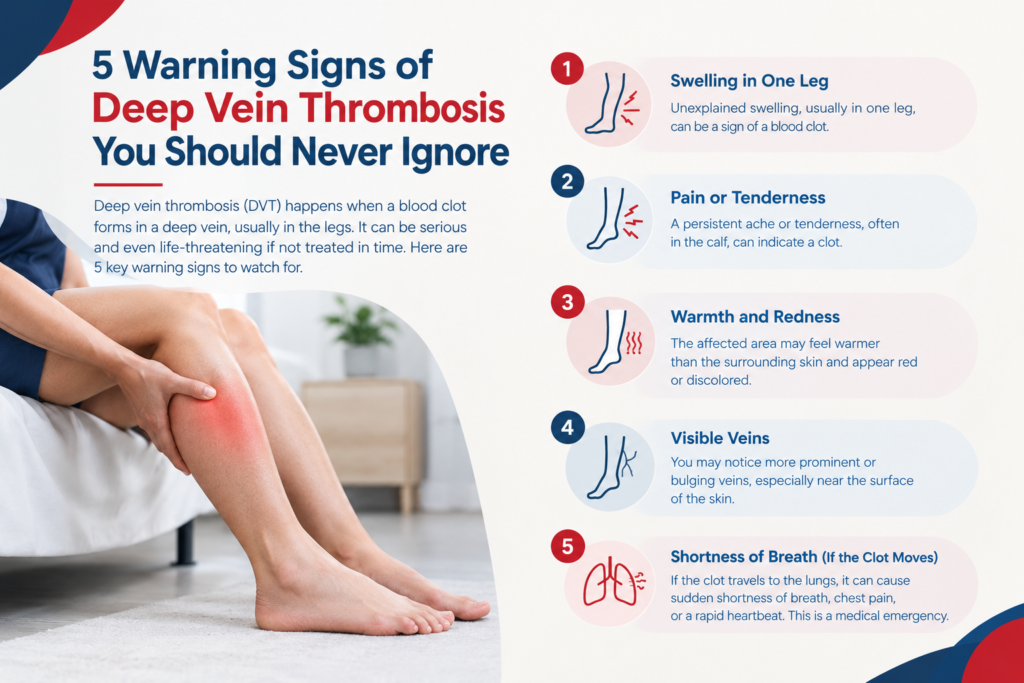
5 Warning Signs of Deep Vein Thrombosis You Should Never Ignore Introduction Deep vein thrombosis (DVT) occurs when a blood clot develops in a deep vein, most commonly in the lower leg, thigh or pelvis. Although some people may have no noticeable symptoms, DVT can become serious if part of the clot breaks away and travels to the lungs, causing a pulmonary embolism (PE). Recognising possible warning signs and seeking medical attention promptly can help reduce the risk of serious complications. What Is Deep Vein Thrombosis? DVT is a type of venous blood clot that can interfere with normal blood flow through a deep vein. It may develop after prolonged immobility, surgery, hospitalisation or other situations that increase the risk of clot formation. However, DVT can also occur in people without an obvious trigger. Importantly, symptoms alone cannot confirm DVT because other conditions can cause similar leg symptoms. Medical testing is needed to establish the diagnosis. 5 Warning Signs of a Blood Clot in the Leg 1. Swelling in One LegOne of the common signs of DVT is swelling in the affected leg. The swelling may develop around the calf, ankle or entire leg and may appear without an obvious injury. Unexplained swelling, particularly when it affects one side, should be medically assessed. 2. Persistent Leg or Calf PainA blood clot may cause pain, tenderness, cramping or aching in the affected area. The discomfort may occur without a recent injury and can sometimes become more noticeable when walking or standing. However, leg pain has many possible causes, so it should not be assumed to be DVT without appropriate evaluation.   3. Unusual Warmth in the Affected AreaThe skin over an affected vein may feel warmer than the surrounding area. When warmth occurs together with swelling, pain or skin changes, it can be an important reason to seek medical advice. 4. Redness or Skin DiscolorationDVT can cause redness or other changes in the colour of the skin over the affected area. This may occur along with swelling, tenderness or warmth. Because several skin and vein conditions can produce similar changes, proper assessment is important. 5. Tenderness Without an Obvious InjuryUnexplained tenderness in the calf or another part of the leg can occur with DVT. If tenderness develops together with swelling, warmth or discoloration, it should not be ignored, particularly in someone with known risk factors for blood clots. It is also important to remember that DVT may cause no symptoms at all. Therefore, the absence of these warning signs does not completely rule out a blood clot. Who May Have a Higher Risk of DVT? Certain situations can increase the risk of developing a blood clot. These include prolonged periods without movement, recent surgery or hospitalisation, certain injuries or illnesses, previous blood clots, cancer, increasing age and other individual risk factors. Long-distance travel can also increase risk, particularly when combined with other risk factors. When Should You Seek Medical Attention? If you develop unexplained swelling, pain, tenderness, warmth or skin discoloration in a leg, contact a healthcare professional promptly. A vascular doctor may assess your symptoms, medical history and risk factors and determine whether further testing is necessary. Do not wait for leg symptoms to become severe before seeking care. Early evaluation can help distinguish DVT from other conditions with similar symptoms. Sudden Breathing Problems Require Emergency Care A DVT can become life-threatening if part of the clot travels to the lungs and causes a pulmonary embolism. Warning signs can include sudden difficulty breathing, chest pain that may worsen with deep breathing or coughing, a rapid or irregular heartbeat, dizziness or fainting, and coughing up blood. These symptoms require immediate emergency medical attention. How Is DVT Diagnosed? Doctors use a combination of medical history, physical examination and diagnostic tests to determine whether a blood clot is present. Duplex ultrasound is the standard imaging test used to detect DVT in the deep veins. Depending on the circumstances, a D-dimer blood test may also be used as part of the diagnostic process. What Does Treatment Usually Involve? The approach to dvt treatment depends on the location and severity of the clot and the person’s overall health. Anticoagulant medicines, commonly called blood thinners, are frequently used to prevent the clot from growing and reduce the risk of additional clots. In selected severe cases, procedures or clot-dissolving medicines may be considered. Early Attention to Symptoms Can Help Protect Vascular Health DVT should not be diagnosed based on symptoms alone, but unexplained changes such as one-sided leg swelling, pain, warmth or skin discoloration deserve timely medical attention. Recognising the warning signs and getting appropriate testing can help identify a clot and allow suitable treatment to begin before serious complications develop.
Uncategorized

Varicose Veins vs. Spider Veins: What’s the Difference?

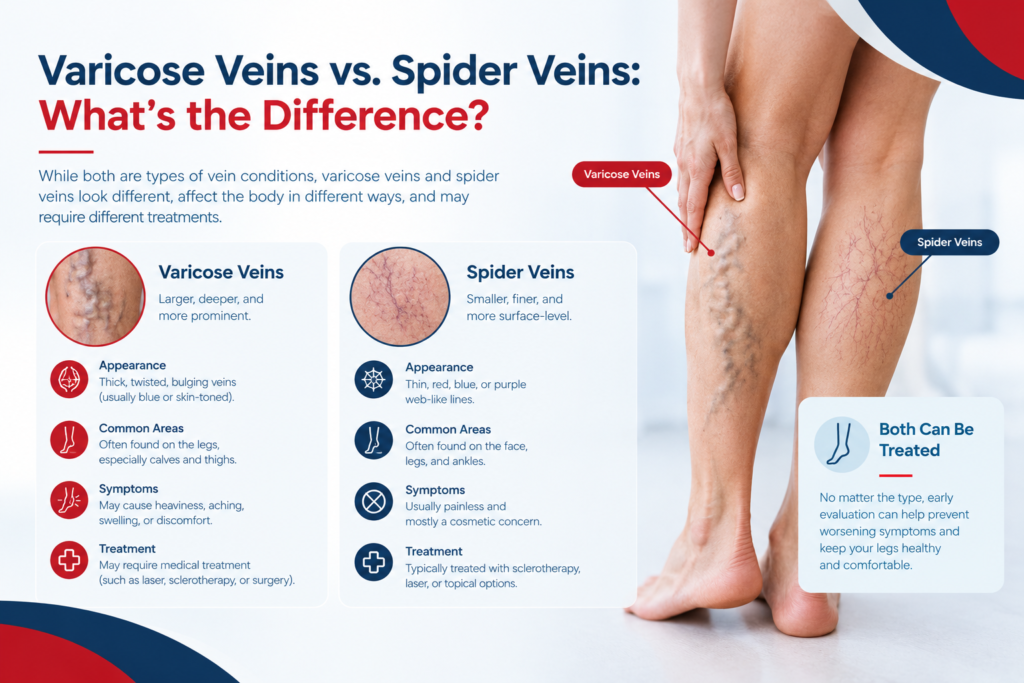
Varicose Veins vs. Spider Veins: What’s the Difference? Introduction Understanding these differences can help you recognise when visible veins are mainly a cosmetic concern and when they may require medical evaluation. What Are Varicose and Spider Veins? Varicose veins are enlarged, swollen and twisted veins that usually develop in the legs. They can appear raised or lumpy beneath the skin. They commonly develop when the valves inside the veins do not work properly, allowing blood to collect and increase pressure within the vein. Spider veins are much smaller blood vessels located close to the skin’s surface. They may appear as thin red, blue or purple lines with a branching or web-like pattern. Unlike larger varicose veins, spider veins are often not associated with significant symptoms. How Are Varicose Veins Different From Spider Veins? Differences in Size and AppearanceThe most noticeable difference is how they look. Varicose veins are larger and may bulge or twist under the skin, while spider veins are fine and usually lie flat against the skin. Varicose veins are commonly seen on the calves, thighs or around the ankles. Spider veins may occur on the legs and can also appear on other areas of the body. Differences in SymptomsSpider veins often cause little or no physical discomfort. Varicose veins, on the other hand, may be associated with aching, heaviness, itching, swelling or discomfort that becomes more noticeable after prolonged standing. This does not mean that every varicose vein causes symptoms or that every visible vein requires treatment. An appropriate assessment helps determine what is happening beneath the skin. Differences in the Underlying Vein ProblemVaricose veins can be related to faulty valves and backward blood flow, known as venous reflux. This can increase pressure within the veins and gradually cause them to enlarge. Spider veins involve much smaller superficial vessels and may occur without the same degree of underlying venous disease. Why Do These Veins Become More Visible? Several factors can contribute to the development of visible leg veins. Age, family history, pregnancy, excess weight and spending long periods sitting or standing can increase the likelihood of developing varicose or spider veins. Hormonal changes and previous problems affecting the veins may also play a role. Regular movement can support healthy circulation. Walking, maintaining a healthy weight and avoiding long periods of sitting or standing may help reduce pressure on the leg veins and manage some symptoms. When Should You Seek Medical Attention? Visible veins should be medically evaluated when they are accompanied by persistent pain, swelling, itching, skin changes or other worsening symptoms. A sore that does not heal or bleeding from a varicose vein also warrants medical attention. A vascular expert can assess whether the visible veins are associated with an underlying circulation problem and determine whether further testing is appropriate. How Are These Vein Conditions Diagnosed? Diagnosis generally begins with a physical examination and discussion of symptoms and medical history. If varicose veins are causing symptoms or an underlying venous problem is suspected, a duplex ultrasound may be used to examine blood flow and the structure of the veins. This evaluation is important because treating visible veins without understanding the underlying problem may not address the actual cause of the symptoms. What Treatment Options Are Available? Treatment depends on the type of vein, symptoms and whether an underlying venous problem is present. Mild cases may be managed with regular activity, leg elevation and other lifestyle measures. Compression stockings may also be recommended in selected situations. When treatment is required, options can include sclerotherapy, endothermal ablation and, in selected cases, surgery. Varicose veins treatment is generally chosen after assessing the veins and determining which approach is appropriate for the individual. Spider veins may also be treated with procedures such as sclerotherapy or laser-based treatments when treatment is desired. Choosing the Right Approach for Your Vein Concerns Varicose veins and spider veins may both appear on the legs, but they are not identical. Their appearance, symptoms and underlying causes can differ, so treatment should not be based only on how the veins look. If visible veins are accompanied by pain, swelling, skin changes or other persistent symptoms, consultation with a varicose veins specialist can help identify the cause and determine whether further evaluation or treatment is needed.

Uncategorized

What Happens If Poor Blood Circulation in the Legs Is Left Untreated?

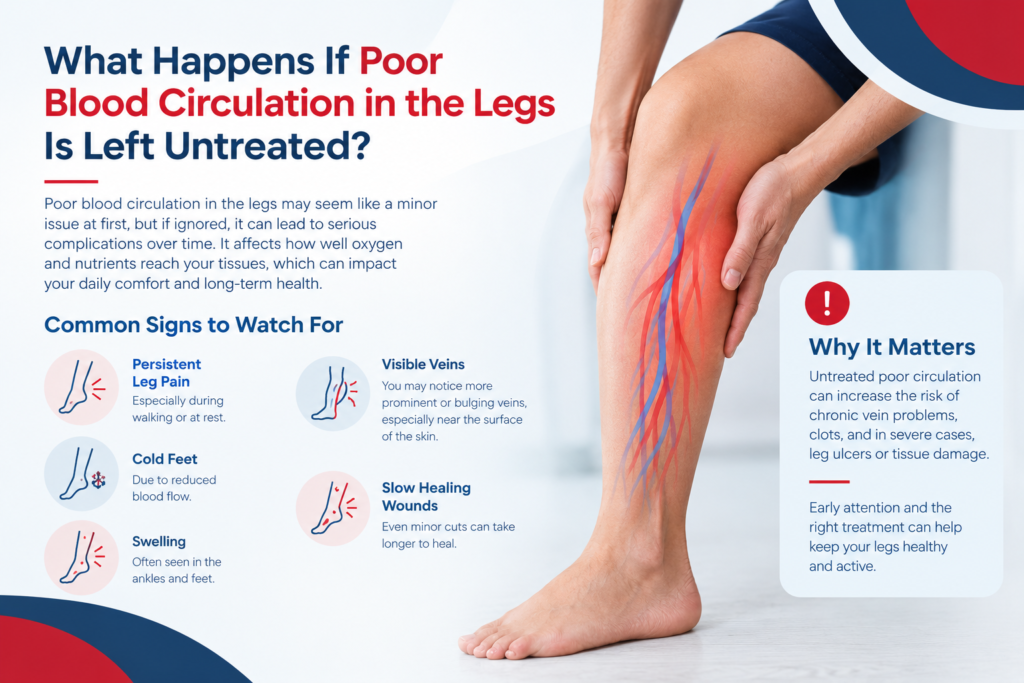
What Happens If Poor Blood Circulation in the Legs Is Left Untreated? Introduction Good blood circulation is essential for supplying the legs and feet with oxygen and nutrients while carrying blood back toward the heart. When circulation becomes impaired, symptoms may initially seem minor, such as swelling, heaviness, aching or tiredness. However, persistent circulation problems should not be ignored because they can gradually affect the skin, muscles and overall health of the legs. The effects of untreated circulation problems depend on whether the issue involves the veins, arteries or another underlying condition. Recognising the warning signs early can help prevent complications and support timely medical care. Why Healthy Blood Flow Matters for Your Legs The arteries carry oxygen-rich blood from the heart to the legs and feet, while veins return blood toward the heart. Problems with either system can interfere with normal circulation. Venous conditions may cause blood to collect in the legs, particularly when the valves inside the veins do not work properly. This can contribute to swelling, heaviness, aching and visible veins. Arterial conditions, such as peripheral artery disease (PAD), reduce blood flow to the tissues and may cause pain or cramping during walking or exercise. Early Signs That Leg Circulation May Be Reduced Circulation problems can develop gradually, so it is important to notice changes in the legs. Leg Swelling, Heaviness or AchingSwelling around the ankles or lower legs may occur with venous circulation problems. Some people also experience a heavy or tired feeling, particularly after standing or sitting for long periods. The right approach to leg swelling treatment depends on identifying what is causing the swelling rather than treating the symptom alone. Visible Veins and Skin ChangesProminent or enlarged veins can occur with venous disease. Persistent circulation problems may also be associated with changes in skin colour, dryness, itching or thickening around the lower legs. Pain or Cramping While WalkingReduced arterial blood flow can cause aching, cramping, burning or fatigue in the leg muscles during walking or exercise. This discomfort often improves after resting. Such recurring symptoms should be discussed with a healthcare professional rather than being automatically attributed to ageing or normal muscle fatigue. What Can Happen When Circulation Problems Are Ignored? Leaving an underlying circulation problem untreated can allow symptoms to become more persistent and, in some cases, lead to complications. Persistent Swelling and Skin DamageLong-standing venous problems can cause continued swelling and increased pressure within the leg veins. Over time, the skin may become discoloured, hardened, itchy or damaged. Slow-Healing Wounds and Leg UlcersPoor circulation can interfere with the body’s ability to heal wounds effectively. Venous ulcers may develop on the lower leg, while severe arterial disease can contribute to wounds on the feet or toes that heal slowly or fail to heal. More Serious Vascular ComplicationsSevere peripheral artery disease can progress to chronic limb-threatening ischemia, where blood flow is significantly reduced and tissue can become damaged. In advanced cases, complications can include gangrene and an increased risk of limb loss. When Should You See a Vascular Doctor? A vascular doctor can evaluate symptoms that may be related to problems with the arteries or veins. Medical assessment is particularly important if swelling keeps returning, leg pain repeatedly occurs while walking, wounds are slow to heal, or there are noticeable changes in skin colour, temperature or appearance. Sudden and significant changes in one leg, severe pain, a cold or unusually pale foot, or a rapidly worsening wound require prompt medical attention. How Are Circulation Problems Evaluated? Evaluation usually begins with a medical history and physical examination. Depending on the symptoms, a healthcare professional may assess pulses, swelling, skin changes and blood flow. For suspected arterial disease, an ankle-brachial index (ABI) may be used to compare blood pressure in the ankle and arm. Ultrasound and other imaging tests may also help identify problems affecting blood vessels. Can Poor Leg Circulation Be Treated? Treatment depends on the underlying cause. Management may include regular physical activity, smoking cessation, control of diabetes, blood pressure and cholesterol, medicines, compression-based treatment for appropriate venous conditions, or vascular procedures when necessary. For peripheral artery disease, current guidelines recommend structured exercise and appropriate medical management, while revascularisation may be considered in selected patients with significant symptoms or limb-threatening disease. Early Attention Can Help Prevent Further Complications Poor circulation should not be considered a normal part of getting older. Persistent swelling, recurring leg pain, visible vein changes or slow-healing wounds may indicate an underlying vascular condition. Identifying the cause early allows appropriate treatment to begin and may help reduce the risk of complications. If you notice ongoing changes in your legs or feet, speaking with a qualified healthcare professional can be an important step toward protecting your vascular health.

Scroll to Top