
Carotid Artery Disease Treatment in Ahmedabad
Understanding Carotid Artery Disease
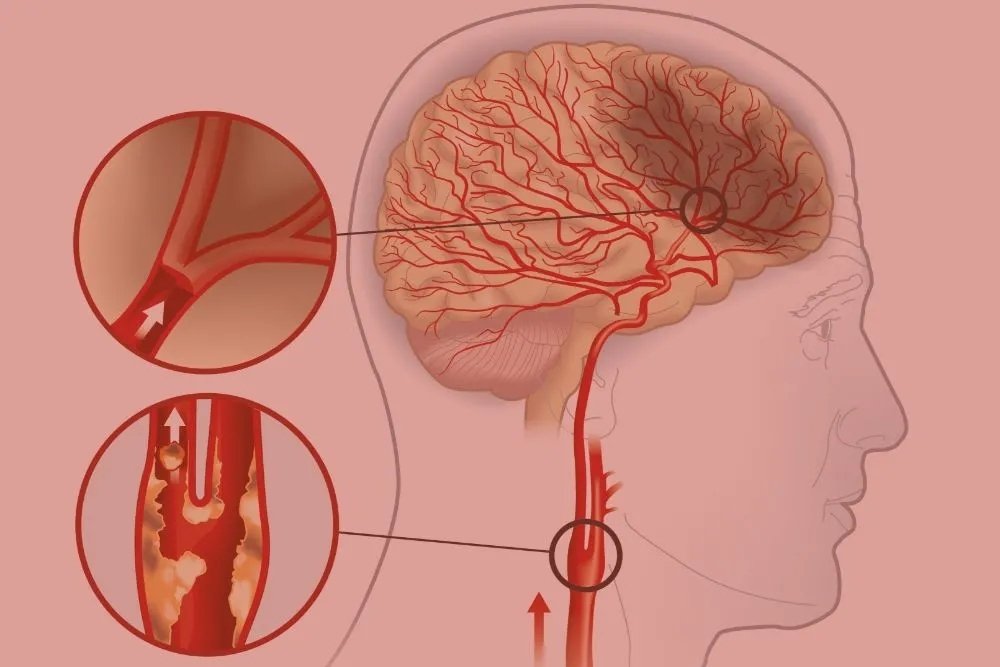
Carotid artery disease is the narrowing of the main arteries in the neck that supply blood to the brain, usually caused by a buildup of fatty plaque along the artery wall. It often causes no symptoms at all until a piece of plaque or a clot breaks loose and blocks blood flow to part of the brain, causing a stroke or a temporary warning episode. Dr. Malay Patel evaluates and treats carotid artery disease in Ahmedabad, with treatment guided by the degree of narrowing, plaque characteristics, and whether any stroke-related symptoms have occurred. This is why carotid disease often has no warning symptoms until an event occurs, and why a TIA even though it resolves completely, is treated as urgent, since it signals a meaningfully increased risk of a full stroke in the near future, particularly within the following days to weeks. The danger with carotid artery disease isn't usually the narrowing itself reducing blood flow directly; it's that a piece of plaque, or a blood clot that forms on its surface, can break loose and travel into the smaller arteries of the brain, blocking blood flow there. This causes either a transient ischemic attack (TIA), where symptoms resolve within minutes to hours because blood flow is restored on its own, or a full stroke, where the blockage persists and brain tissue is damaged.
Carotid Artery Disease Treatment
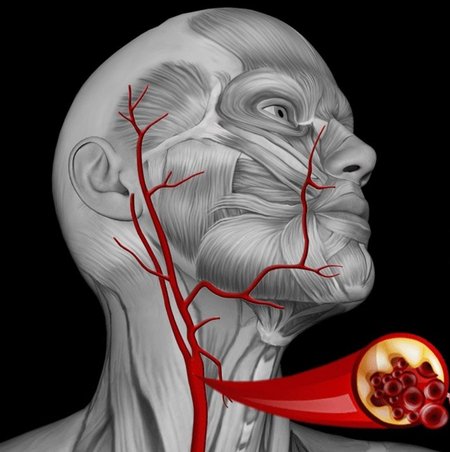
The carotid arteries run along either side of the neck and are the main supply route of blood to the brain. Like arteries elsewhere in the body, they can develop atherosclerosis, a gradual buildup of fatty plaque along the inner artery wall which narrows the artery over time. The danger with carotid artery disease isn’t usually the narrowing itself reducing blood flow directly; it’s that a piece of plaque, or a blood clot that forms on its surface, can break loose and travel into the smaller arteries of the brain, blocking blood flow there. This causes either a transient ischemic attack (TIA), where symptoms resolve within minutes to hours because blood flow is restored on its own, or a full stroke, where the blockage persists and brain tissue is damaged.
Symptoms of Carotid Artery Disease

Temporary Vision Loss
Sudden loss or blurring of vision in one eye that usually lasts for a short time.

Difficulty Speaking
Slurred speech or trouble understanding words may indicate reduced blood flow to the brain.

Weakness on One Side
Sudden weakness or numbness affecting the face, arm, or leg on one side of the body.

Facial Drooping
One side of the face may droop suddenly during a transient ischemic attack or stroke.
Causes and Risk Factors
Several medical conditions and lifestyle factors contribute to the narrowing of the carotid arteries.
Atherosclerosis
Fatty plaque gradually builds up inside the arteries, restricting blood flow to the brain.
High Blood Pressure
Long-term hypertension damages artery walls and accelerates plaque formation.
High Cholesterol
Elevated cholesterol levels increase the buildup of fatty deposits within blood vessels.
Diabetes
Poorly controlled diabetes damages blood vessels and significantly raises stroke risk.
- Atherosclerosis
Fatty plaque gradually builds up inside the arteries, restricting blood flow to the brain.
- High Blood Pressure
Long-term hypertension damages artery walls and accelerates plaque formation.
- High Cholesterol
Elevated cholesterol levels increase the buildup of fatty deposits within blood vessels.
- Diabetes
Poorly controlled diabetes damages blood vessels and significantly raises stroke risk.
Complications
Carotid artery disease can progressively reduce blood flow to the brain, increasing the risk of serious neurological complications.
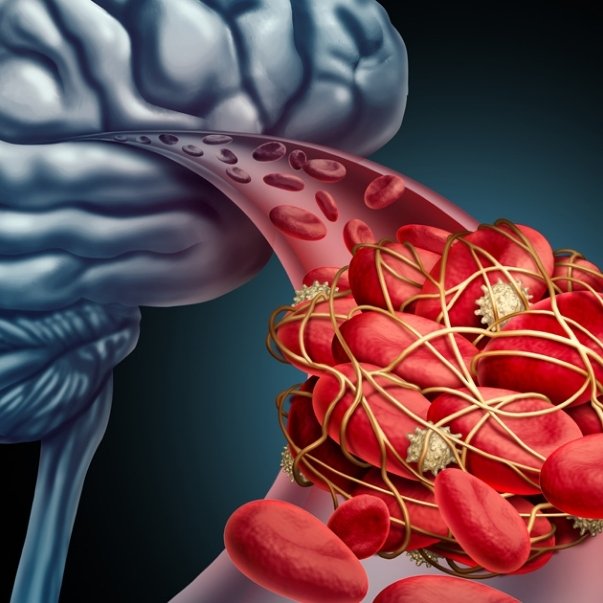
Transient Ischemic Attack (TIA)
Temporary interruption of blood flow can cause stroke-like symptoms that resolve within 24 hours.
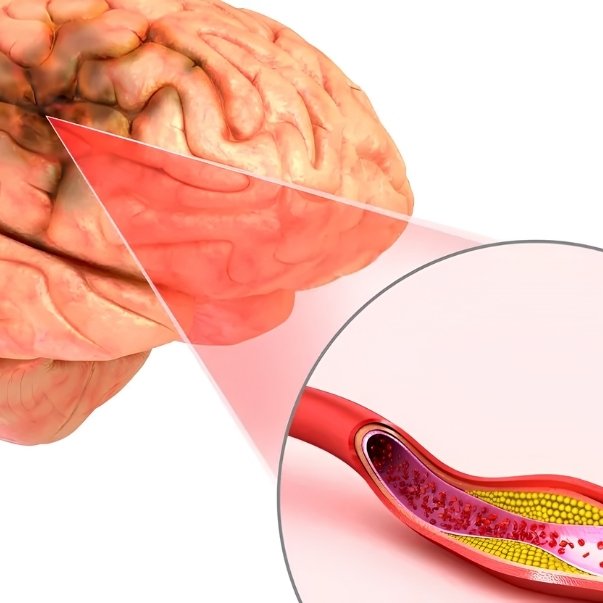
Ischemic Stroke
A blocked carotid artery may cut off blood supply to the brain, resulting in permanent damage.
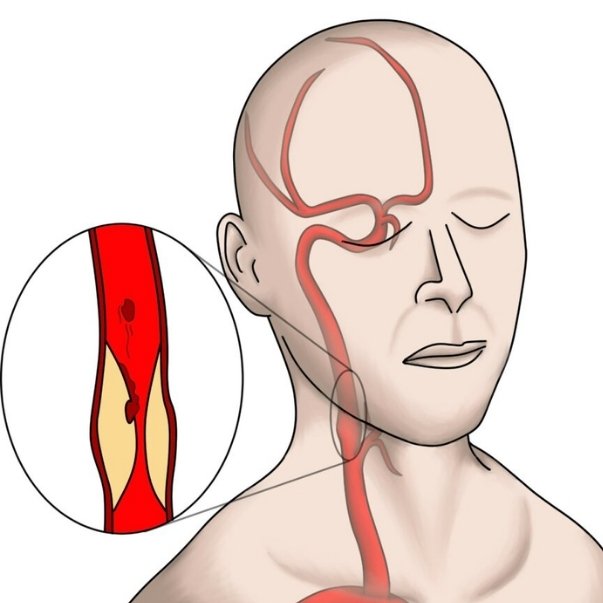
Permanent Disability
Stroke can lead to long-term weakness, speech difficulties, or loss of independence.

Vision Loss
Reduced blood flow may affect the eyes, causing temporary or permanent vision impairment.
Meet CAD Specialist in Ahmedabad
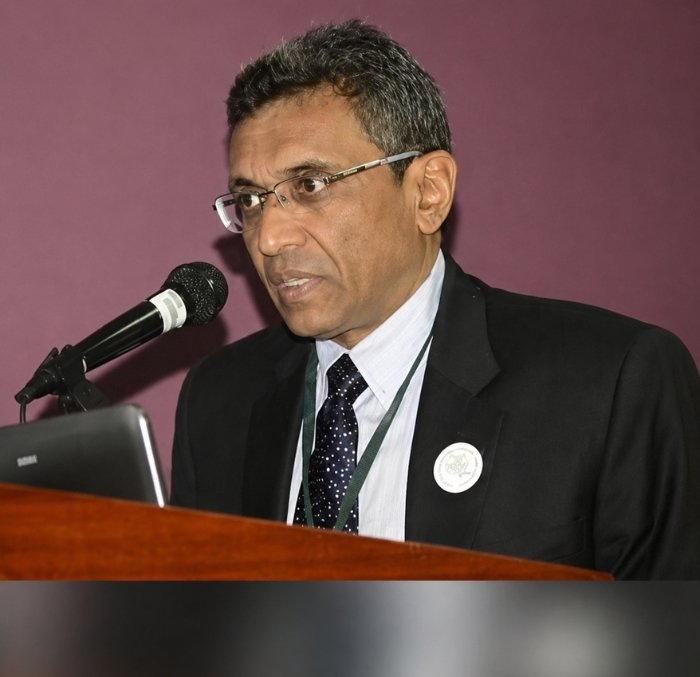
Dr. Malay Patel has practiced vascular and endovascular surgery in Ahmedabad since 1991, with carotid artery disease as part of the broader arterial vascular disease he manages alongside his venous and peripheral artery disease practice. He is currently attached to Apollo Hospital and SVP Hospital in Ahmedabad, and previously served as Assistant Professor of Vascular Surgery at Sheth V.S. General Hospital and Sheth K.M. School of Post-Graduate Medicine and Research from 2007 to 2018.
His broader standing in vascular surgery includes serving as President of the Vascular Society of India from 2003 to 2005. He has served as a peer reviewer for the journal Phlebology since 2013 and for the European Journal of Vascular and Endovascular Surgery since 2008, and is currently also an active peer reviewer for the Journal of Vascular Surgery- Venous and Lymphatic Disorders, the highest-indexed journal in vascular and endovascular surgery, a role that requires staying current with evidence on both surgical and catheter-based approaches to arterial disease, including carotid treatment.
His practice, First Choice Vascular, evaluates carotid artery disease with duplex ultrasound as standard, and offers both carotid endarterectomy and carotid artery stenting, working alongside neurologists where a stroke or TIA has already occurred.
From medication to endarterectomy or stenting, chosen to lower stroke risk specifically for you.
Not every narrowed carotid artery needs surgery. Depending on how significant the narrowing is, whether you’ve had any symptoms, and your overall health, treatment may involve medication and monitoring alone, or a procedure, open surgery or a stent to correct the narrowing directly.
Medical Management
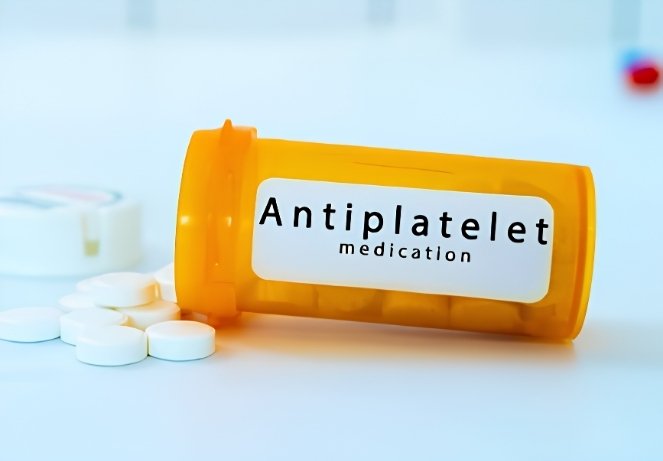
Antiplatelet medication, cholesterol-lowering medication, and blood pressure control form the foundation of treatment for nearly everyone with carotid artery disease, whether or not a procedure is also needed. For mild narrowing without symptoms, this may be the primary treatment.
Risk Factor Control
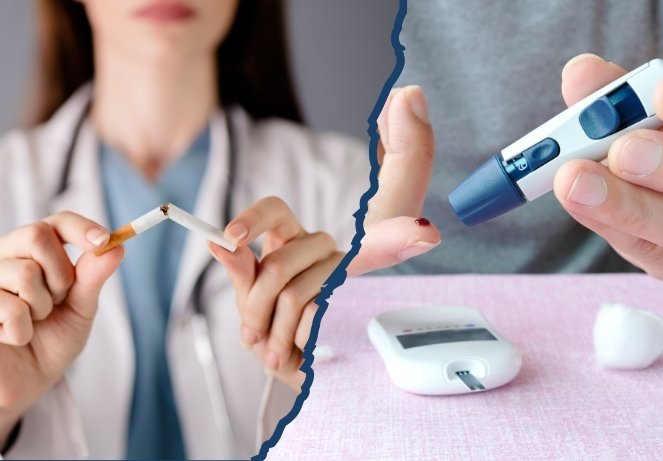
Smoking cessation and diabetes management, since continued smoking and poor glucose control both accelerate plaque progression regardless of any procedure performed.
Carotid Endarterectomy
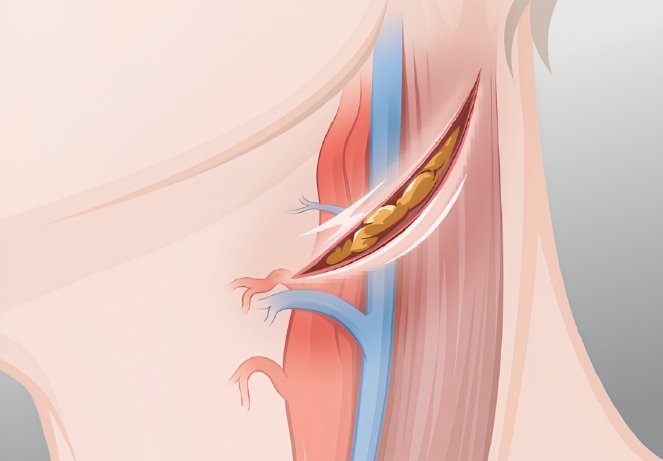
Open surgery to remove the plaque directly from inside the artery through an incision in the neck. This has the longest track record for higher-grade narrowing, particularly in patients who’ve had symptoms.
Carotid Artery Stenting
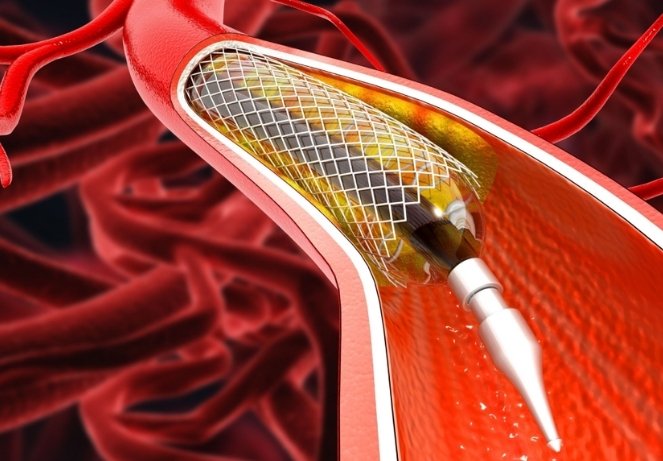
A catheter-based procedure where a stent is placed to hold the artery open from the inside, done through a small puncture rather than an open incision. Considered for specific anatomical situations or when open surgery carries a higher risk due to other health conditions.

Carotid Artery Specialist in Ahmedabad: Why Surgical and Endovascular Expertise Both Matter
Carotid artery disease can be treated with open surgery or with a catheter-based stent, and the right choice depends on the individual’s anatomy and overall health rather than a fixed preference for one method. Having both skill sets under one surgeon means this decision is made on clinical grounds specific to the patient.
01. Both Endarterectomy and Stenting Available
Practicing both surgical and catheter-based approaches since long before either became the routine standard means the anatomy and risk profile not equipment availability drive the choice of procedure.
02. Decades of Vascular Surgery Leadership
Served as President of the Vascular Society of India (2003–2005), reflecting standing within the broader vascular surgery community across venous and arterial disease.
03. Peer Reviewer for International Journals
Reviewing for the European Journal of Vascular and Endovascular Surgery since 2008 and currently for the Journal of Vascular Surgery – Venous and Lymphatic Disorders, the highest-indexed journal in vascular and endovascular surgery, involves direct engagement with published evidence across arterial as well as venous vascular disease.
04. Coordination With Neurology
For patients who've had a stroke or TIA, carotid evaluation and treatment are coordinated with neurology, since timing and blood pressure management around the event affect both stroke recovery and the safety of a carotid procedure.
Advanced Interventions. Safer Outcomes.
Answers to Your Most Common Questions
Will I need surgery?
Not necessarily. Many patients with carotid narrowing, particularly milder degrees without symptoms, are managed with medication and monitoring. Surgery or stenting becomes relevant with higher-grade narrowing, unstable-appearing plaque, or after a stroke or TIA.
My symptoms went away, do I still need treatment?
Yes. A TIA that resolves completely is still a warning sign of significantly increased stroke risk in the near future, and it should be evaluated urgently rather than dismissed because it passed.
Can this condition return after treatment?
Narrowing can occasionally recur at the treated site over years, which is why periodic ultrasound follow-up continues after either endarterectomy or stenting. The other side’s artery is also monitored, since carotid disease often affects both sides to varying degrees.
Will I need additional tests?
Carotid duplex ultrasound is the primary test. CT or MR angiography and, where relevant, brain imaging are added specifically when a procedure is being planned or a stroke-related event has occurred.
What's the recovery like after treatment?
Carotid artery stenting generally involves a shorter procedure-related recovery than endarterectomy, since it’s done through a small puncture rather than an open incision. Endarterectomy typically involves a short hospital stay, with most patients returning to normal activity within one to two weeks.
Have More Questions? Fill Out Our Quick Form and Get Answers
Book a consultation with Dr. Malay Patel
If you've had any episode of sudden weakness, speech difficulty, or vision loss, even one that resolved on its own. Don't wait to have it evaluated.