
Aortic Aneurysm Treatment in Ahmedabad
Understanding Aortic Aneurysm
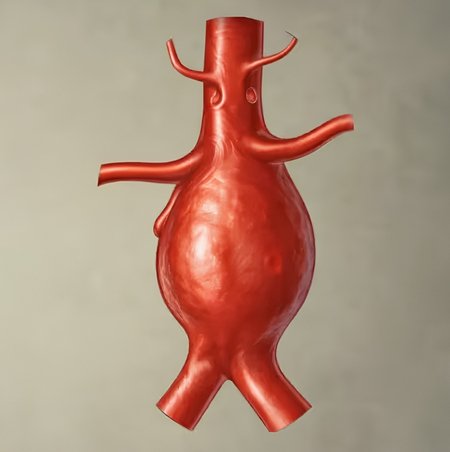
An aortic aneurysm is an abnormal widening or bulge in the aorta, the main artery carrying blood from the heart through the chest and abdomen. As the bulge enlarges, the artery wall weakens, and there is a risk of it tearing or rupturing, which is a life-threatening emergency. Most aortic aneurysms cause no symptoms until they are large or have already begun to leak, which is why many are found incidentally during scans done for other reasons. Dr. Malay Patel evaluates and treats aortic aneurysms in Ahmedabad, with the decision to monitor or intervene based on the aneurysm's size, growth rate, and location.
The reason aneurysms are often found incidentally is that they typically cause no symptoms while they remain a stable size, the artery simply widens without affecting blood flow noticeably. Symptoms, when they occur, often signal that the aneurysm has grown large enough to press on nearby structures, or that it has already begun to leak.
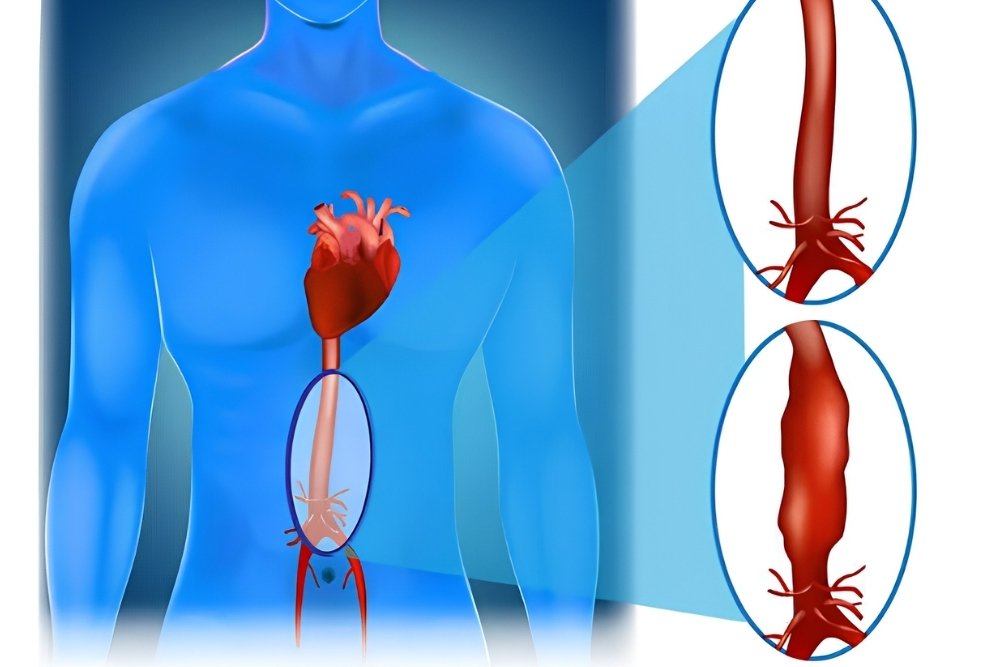
What Are Aortic Aneurysms?
The aorta is the body’s largest artery, carrying blood directly from the heart to the rest of the body. An aneurysm develops when the artery wall weakens, most often from long-standing atherosclerosis, high blood pressure, or in some cases a genetic predisposition affecting the connective tissue of the artery wall. As the weakened section stretches under the pressure of blood flow, it gradually widens into a bulge.
Aneurysms are classified by location- most commonly in the abdominal aorta (abdominal aortic aneurysm, or AAA), and less commonly in the chest (thoracic aortic aneurysm). The danger is that as the aneurysm enlarges, the wall becomes progressively weaker, increasing the risk of it tearing (dissection) or rupturing completely, both of which are life-threatening emergencies with a high risk of death if not treated immediately.
Symptoms You Should Never Ignore

Persistent abdominal pain
Continuous deep pain that does not improve with rest.

Pulsating abdominal lump
A noticeable throbbing sensation in the abdomen.

Chest or back pain
Sudden or severe pain requiring prompt evaluation.

Shortness of breath
May occur with aneurysms affecting the chest.
Causes and Risk Factors
Several factors can weaken the aortic wall over time, increasing the risk of aneurysm formation.
Advancing Age
The aortic wall naturally weakens over time, making aneurysms more common in older adults.
High Blood Pressure
Persistent high blood pressure places continuous stress on the aortic wall, increasing the risk of weakening.
Smoking
Smoking damages blood vessels, accelerates artery disease, and is one of the leading risk factors.
High Cholesterol
Fatty deposits within the arteries can weaken the vessel wall and contribute to aneurysm formation.
- Advancing Age
The aortic wall naturally weakens over time, making aneurysms more common in older adults.
- High Blood Pressure
Persistent high blood pressure places continuous stress on the aortic wall, increasing the risk of weakening.
- Smoking
Smoking damages blood vessels, accelerates artery disease, and is one of the leading risk factors.
- High Cholesterol
Fatty deposits within the arteries can weaken the vessel wall and contribute to aneurysm formation.
Complications
Without timely diagnosis and treatment, an aortic aneurysm can enlarge over time and lead to serious, potentially life-threatening complications.
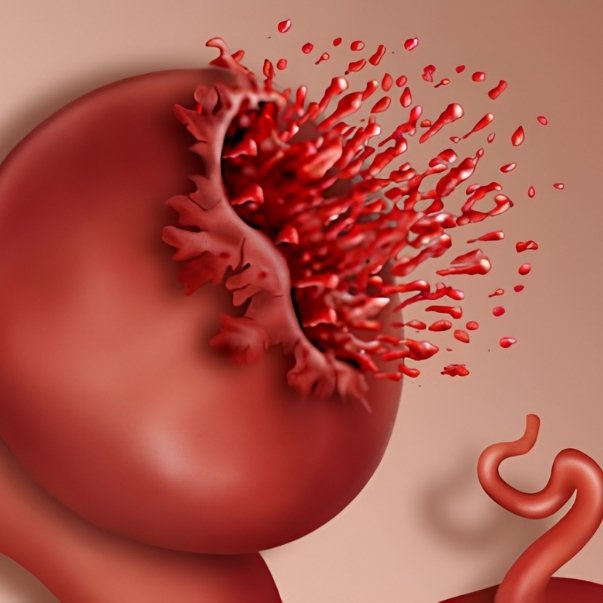
Aortic Rupture
The weakened section of the aorta can burst, causing severe internal bleeding that requires emergency treatment.
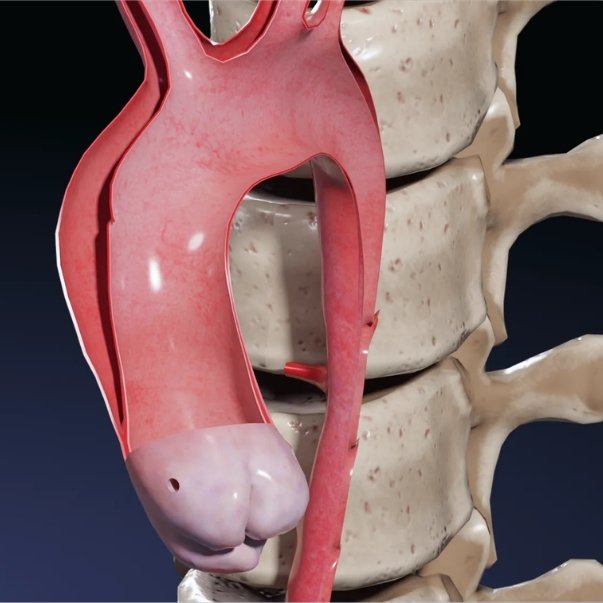
Aortic Dissection
A tear in the inner layer of the aorta can disrupt blood flow and quickly become life-threatening.
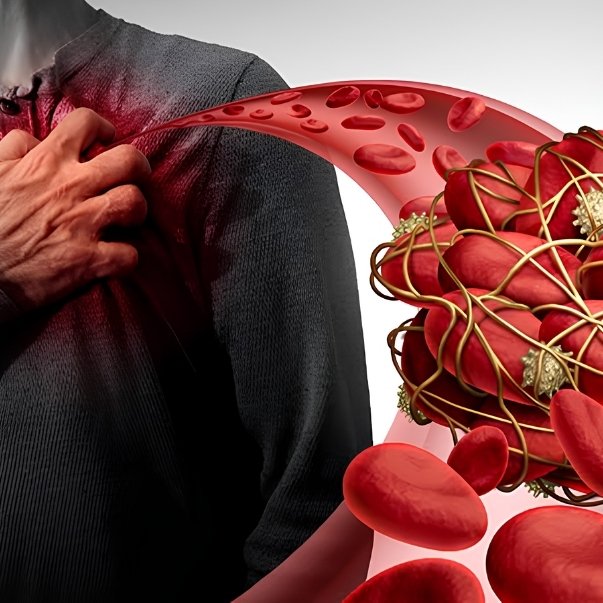
Blood Clots & Embolism
Clots forming within the aneurysm may travel to other arteries, reducing blood supply to vital organs or limbs.
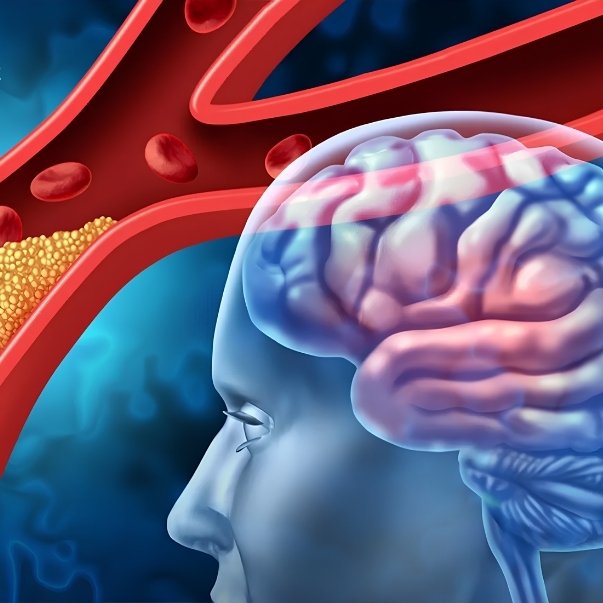
Stroke
Aneurysms involving the upper aorta may increase the risk of stroke if blood flow to the brain is affected.

Meet Aortic Aneurysm Specialist in Ahmedabad
Dr. Malay Patel has practiced vascular and endovascular surgery in Ahmedabad since 1991, with aortic aneurysm evaluation and repair as part of the broader arterial vascular disease he manages alongside his venous and peripheral artery disease practice. He is currently attached to Apollo Hospital and SVP Hospital in Ahmedabad, and previously served as Assistant Professor of Vascular Surgery at Sheth V.S. General Hospital and Sheth K.M. School of Post-Graduate Medicine and Research from 2007 to 2018.
His broader standing in vascular surgery includes serving as President of the Vascular Society of India from 2003 to 2005. He has served as a peer reviewer for the journal Phlebology since 2013 and for the European Journal of Vascular and Endovascular Surgery since 2008, and is currently also an active peer reviewer for the Journal of Vascular Surgery – Venous and Lymphatic Disorders, the highest-indexed journal in vascular and endovascular surgery – a role that requires staying current with evidence on both surgical and endovascular approaches to aortic disease.
His practice, First Choice Vascular, evaluates aortic aneurysms with CT angiography and structured surveillance as standard, and offers both endovascular aneurysm repair and open surgical repair, with the approach chosen based on the aneurysm’s anatomy rather than a fixed preference for one technique.
From structured monitoring to endovascular or open repair, timed to protect you.
Not every aortic aneurysm needs immediate surgery. Depending on its size and how it’s changing over time, treatment may mean regular monitoring for now, or a repair procedure done through a catheter or through open surgery – when the size or growth pattern calls for it.
Surveillance (Active Monitoring)
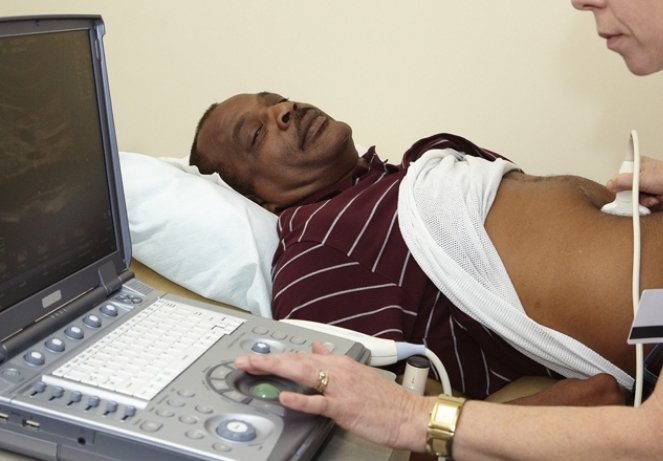
For aneurysms below the threshold for repair, regular ultrasound or CT scans at set intervals track size and growth rate. This is a structured plan, not inaction, it identifies exactly when repair becomes appropriate rather than leaving that point to chance.
Endovascular Aneurysm Repair (EVAR)
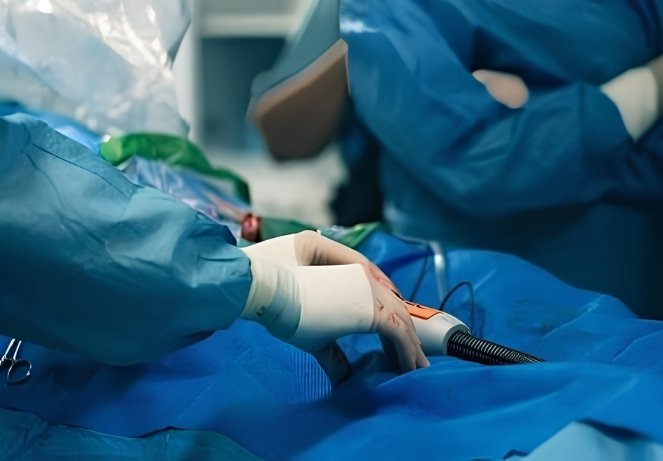
A catheter-based procedure where a stent-graft is placed inside the aorta through the blood vessels in the groin, reinforcing the weakened section from within without an open incision. Suitable for aneurysms with anatomy that allows the stent-graft to seat and seal properly against the artery wall.
Open Surgical Repair
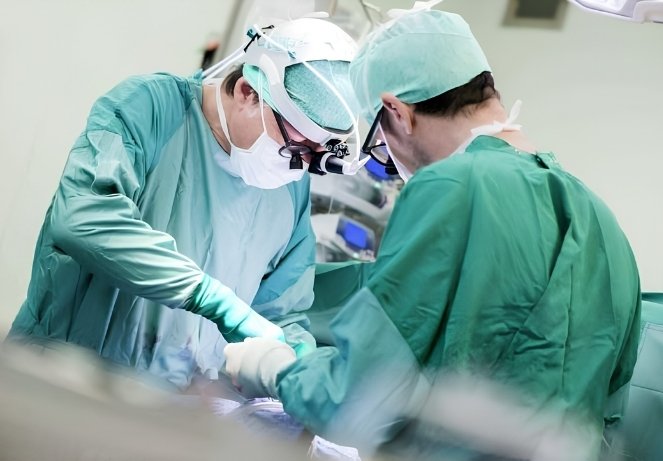
Direct surgical replacement of the weakened section of aorta with a graft, performed through an abdominal or chest incision. Used when the anatomy isn’t suitable for a stent-graft, or when open repair offers a more durable long-term result for the individual case, including emergency repair for a ruptured or actively leaking aneurysm.

Aortic Aneurysm Specialist in Ahmedabad: Why Surgical and Endovascular Expertise Both Matter
Aortic aneurysm repair can be done through open surgery or a catheter-based stent-graft, and not every aneurysm’s anatomy is suitable for both. Having both skill sets under one surgeon means the decision is made on anatomical and clinical grounds specific to the patient, rather than being limited to whichever approach happens to be available.
01. Both Endovascular and Open Repair Available
Practicing across both surgical and catheter-based aortic repair means the anatomy - not equipment availability - determines which approach is offered.
02. Decades of Vascular Surgery Leadership
Served as President of the Vascular Society of India (2003–2005), reflecting standing within the broader vascular surgery community across arterial and venous disease.
03. Peer Reviewer for International Journals
Reviewing for the European Journal of Vascular and Endovascular Surgery since 2008 and currently for the Journal of Vascular Surgery – Venous and Lymphatic Disorders, the highest-indexed journal in vascular and endovascular surgery, involves direct engagement with published evidence on aortic and arterial disease.
04. Structured Surveillance for Smaller Aneurysms
For aneurysms below the threshold for repair, a defined monitoring schedule is followed rather than an open-ended "watch and wait," so the point at which repair becomes appropriate isn't missed.
Advanced Interventions. Safer Outcomes.
Answers to Your Most Common Questions
Will I need surgery?
Not necessarily, and not immediately in most cases. Smaller aneurysms are followed with structured surveillance until they reach a size or growth rate where repair is recommended. Repair becomes relevant once that threshold is reached, or if you have symptoms.
How is an aneurysm found if it doesn't cause symptoms?
Most are found incidentally on a scan done for another reason, or through screening in people with risk factors such as a family history, long-term smoking, or known atherosclerosis elsewhere. This is why screening is recommended for first-degree relatives of someone with an aneurysm.
Can I delay treatment?
If your aneurysm is below the size threshold for repair and being monitored on a regular schedule, this is not a delay – it’s the appropriate management for that size. If it has reached the threshold for repair or you have new symptoms, delay increases the risk of rupture.
Is the repair procedure risky?
Both endovascular and open repair carry surgical risk, which is discussed specifically based on your overall health and the aneurysm’s anatomy. For most planned (non-emergency) repairs, the risk is considerably lower than the risk of not treating an aneurysm that has reached the threshold for repair.
What happens if the aneurysm ruptures?
A rupture is a medical emergency requiring immediate surgical or endovascular repair to stop bleeding. This is a significantly higher-risk situation than a planned repair, which is the main reason structured surveillance and timely elective repair are recommended before this point is reached.
Have More Questions? Fill Out Our Quick Form and Get Answers
Book your consultation with Dr. Malay Patel to have your aorta evaluated and a monitoring or treatment plan established
If you've been told you have an aortic aneurysm, or have a family history of one, don't leave it unmonitored. Structured surveillance or timely repair, done at the right point, is what prevents this from becoming an emergency.