
Peripheral Artery Disease (PAD) Treatment in Ahmedabad
Understanding Peripheral Artery Disease (PAD)
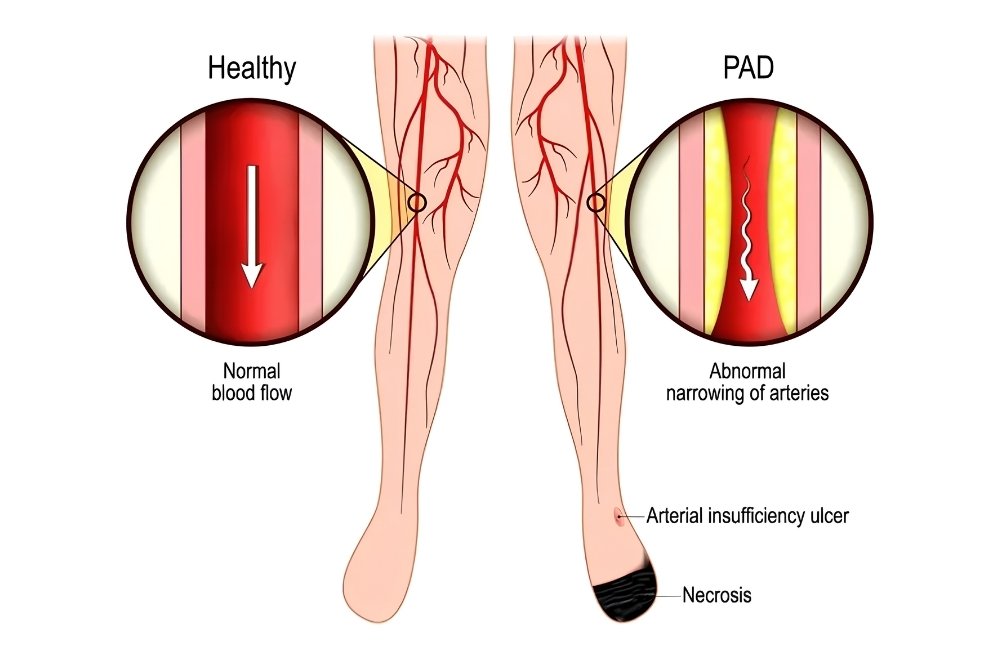
Peripheral artery disease is the narrowing of arteries that supply blood to the legs, usually caused by fatty deposits building up inside the artery walls. It reduces blood flow to the leg muscles and, in advanced cases, to the skin and tissue of the foot. Left untreated, it can progress from pain on walking to wounds that won't heal and, in severe cases, tissue loss. Dr. Malay Patel evaluates and treats PAD in Ahmedabad, with the treatment plan guided by where the blockage is, how severe it is, and how it's affecting the leg. Early diagnosis matters because PAD is progressive if the underlying risk factors aren't addressed, and because the treatment options are considerably simpler and less invasive when the blockage is caught before it reaches the stage of a non-healing wound. PAD is more common with age, smoking, diabetes, high blood pressure, high cholesterol, and a family history of vascular disease. Diabetes in particular changes how PAD presents, since nerve damage from diabetes can mask the pain that would otherwise be a warning sign, meaning a foot wound may be the first noticeable symptom rather than walking pain.
What is Peripheral Artery Disease?
PAD develops when fatty deposits, called plaque, build up along the inside of the arteries carrying blood to the legs, gradually narrowing them. This process, atherosclerosis, is the same one that affects the arteries of the heart and brain, which is why PAD often occurs alongside heart disease or a history of stroke. Peripheral arterial disease is also a marker for coronary artery disease, highlighting the importance of early diagnosis and comprehensive cardiovascular evaluation.
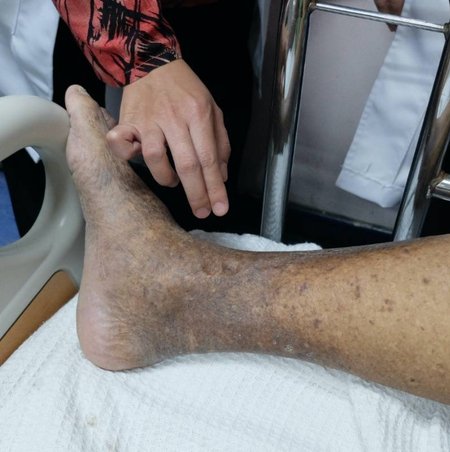
As the artery narrows, the leg muscles don’t get enough blood during activity, which is why the classic symptom is cramping pain that comes on with walking and eases with rest called intermittent claudication. As narrowing worsens, blood flow may become insufficient even at rest, causing pain in the foot at night, or reducing the skin and tissue’s ability to heal even minor wounds. This more advanced stage is called critical limb ischemia, and it carries a real risk of tissue loss if the blood flow isn’t restored.
Symptoms of PAD
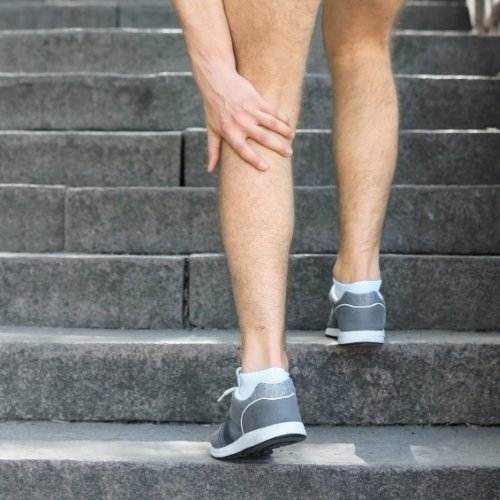
Leg Pain While Walking
Cramping or aching in the calf, thigh, or buttock during walking that usually improves with rest.
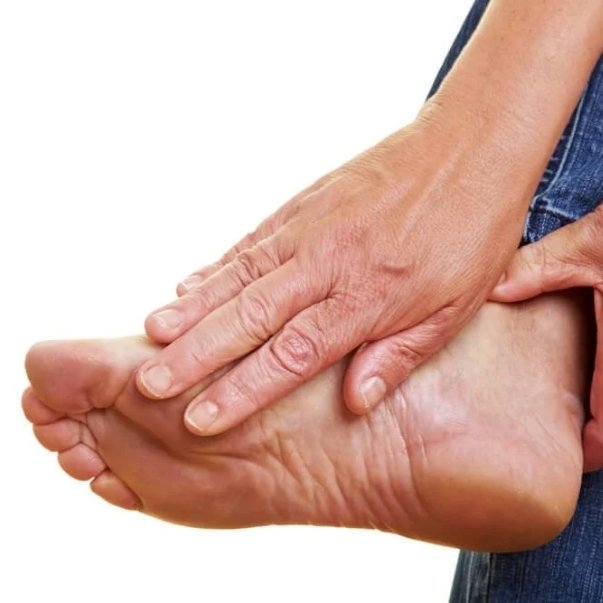
Cold Feet or Legs
One leg or foot may feel noticeably colder than the other because of reduced blood circulation.

Resting Leg Pain
Persistent pain or burning sensation in the feet or toes, especially while lying down or sleeping.
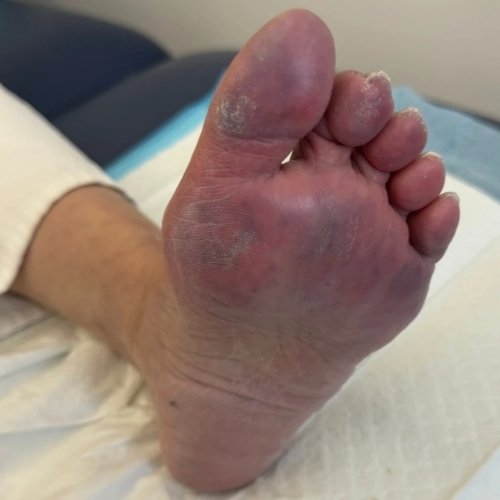
Skin Colour Changes
The skin may appear pale, bluish, or shiny due to inadequate blood supply to the affected limb.
Causes and Risk Factors
Several medical conditions and lifestyle factors contribute to the development of Peripheral Artery Disease.
Atherosclerosis
The most common cause, where cholesterol and fatty deposits gradually narrow the arteries.
Diabetes
High blood sugar damages blood vessels and significantly increases the risk of PAD.
Smoking
Smoking accelerates artery damage and is one of the strongest risk factors for blocked leg arteries.
High Blood Pressure
Persistent hypertension damages the inner lining of blood vessels over time.
- Atherosclerosis
The most common cause, where cholesterol and fatty deposits gradually narrow the arteries.
- Diabetes
High blood sugar damages blood vessels and significantly increases the risk of PAD.
- Smoking
Smoking accelerates artery damage and is one of the strongest risk factors for blocked leg arteries.
- High Blood Pressure
Persistent hypertension damages the inner lining of blood vessels over time.
Complications
Without timely treatment, Peripheral Artery Disease can progressively reduce blood flow to the legs, increasing the risk of serious vascular complications.
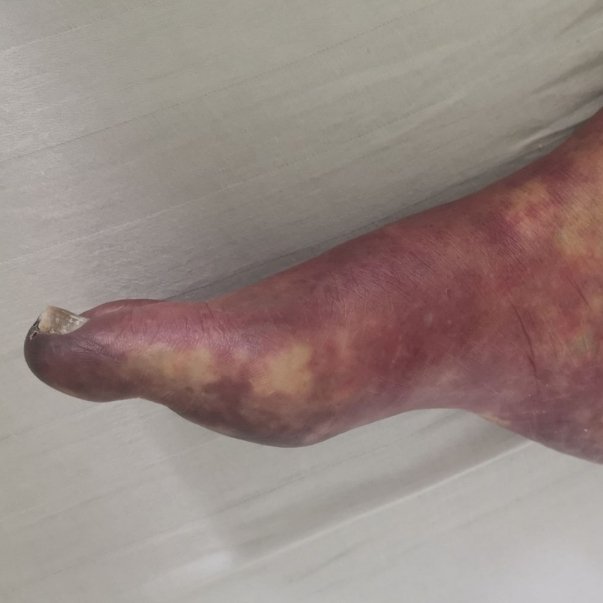
Critical Limb Ischemia
Severely reduced blood supply can cause persistent pain, non-healing wounds, and tissue damage.
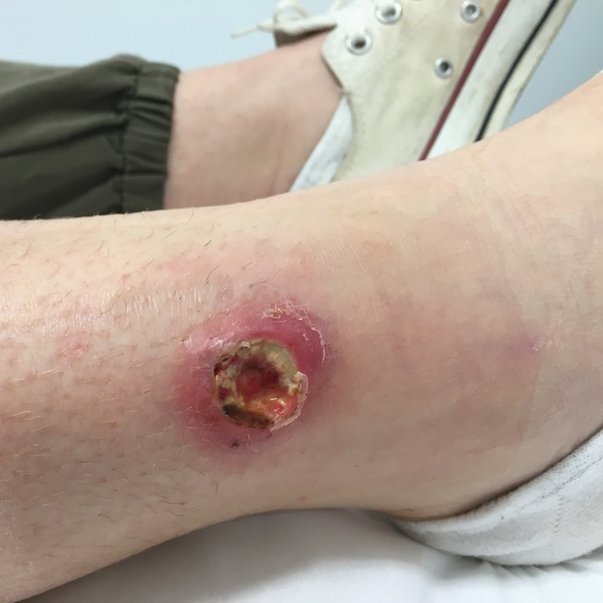
Non-Healing Ulcers
Poor circulation delays wound healing, allowing even minor injuries to become chronic ulcers.
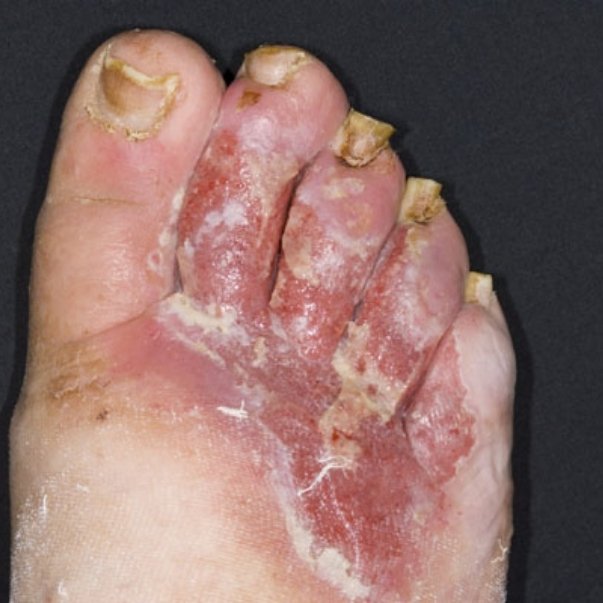
Serious Infections
Untreated wounds can become infected, sometimes spreading to deeper tissues and bones.
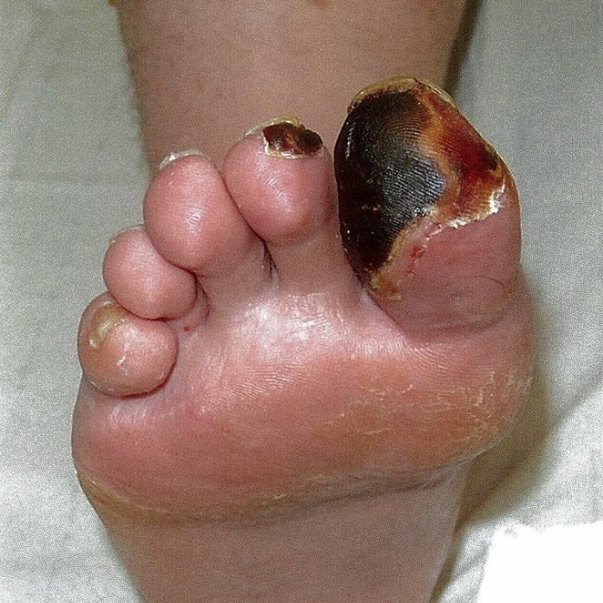
Gangrene
Prolonged loss of blood supply may cause tissue death, leading to blackened or dead skin.
Meet PAD Specialist in Ahmedabad
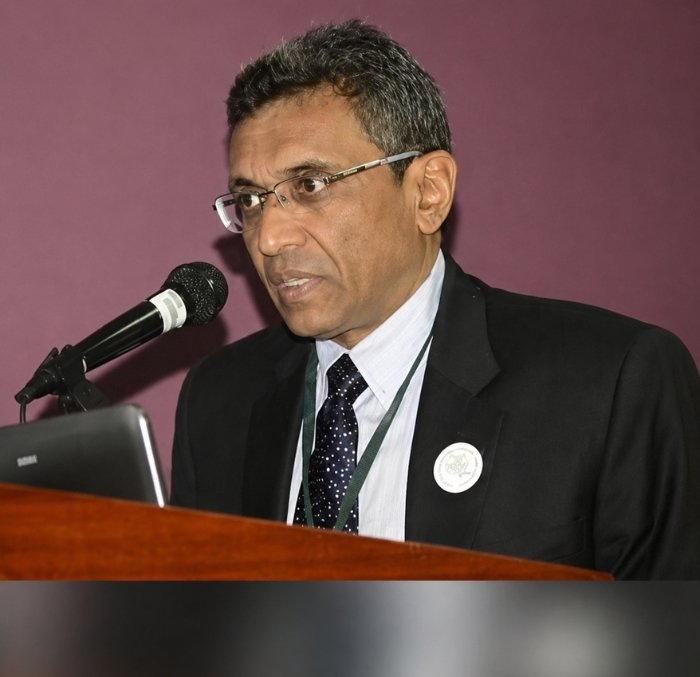
Dr. Malay Patel has practiced vascular and endovascular surgery in Ahmedabad since 1991, with peripheral artery disease and its full range of presentations from claudication to critical limb ischemia as a core part of his surgical and endovascular practice. He is currently attached to Apollo Hospital and SVP Hospital in Ahmedabad, and previously served as Assistant Professor of Vascular Surgery at Sheth V.S. General Hospital and Sheth K.M. School of Post-Graduate Medicine and Research from 2007 to 2018.
His broader standing in vascular surgery includes serving as President of the Vascular Society of India from 2003 to 2005, and involvement in endovascular intervention societies alongside his venous disease work. He has served as a peer reviewer for the journal Phlebology since 2013 and for the European Journal of Vascular and Endovascular Surgery since 2008, and is currently also an active peer reviewer for the Journal of Vascular Surgery – Venous and Lymphatic Disorders, the highest-indexed journal in vascular and endovascular surgery, roles that require direct engagement with current evidence across both venous and arterial vascular disease.
Dr. Malay Patel has special expertise in treating peripheral artery disease through distal and ultra-distal revascularization (bypass) procedures. He is also an invited speaker on this highly specialized area of vascular surgery, reflecting his experience in managing complex limb-threatening arterial disease. His practice, First Choice Vascular, evaluates PAD with ABI testing and duplex ultrasound as standard, and offers both catheter-based procedures (angioplasty, stenting, atherectomy) and surgical bypass, with the approach chosen based on blockage pattern rather than a single default technique.
From lifestyle changes to bypass surgery, chosen by what the arteries show.
Not every blocked artery needs a procedure. Depending on how severe the narrowing is and how it’s affecting your leg, treatment may involve a structured walking program and medication, a catheter-based procedure, or for more complex blockages surgical bypass.
Lifestyle and Risk Factor Control
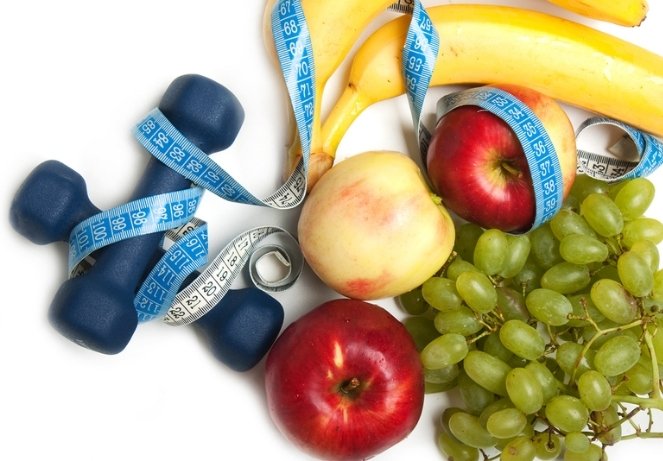
Smoking cessation, structured walking programs, and management of diabetes, blood pressure, and cholesterol. For mild to moderate claudication, a supervised walking program can meaningfully improve walking distance over months, and addressing risk factors reduces progression regardless of what other treatment is chosen.
Medication
Antiplatelet medication to reduce clotting risk, cholesterol-lowering medication to stabilize plaque, and specific medications that can improve walking distance in claudication. Medication also continues after any procedure to protect its long-term result.
Angioplasty and Stenting
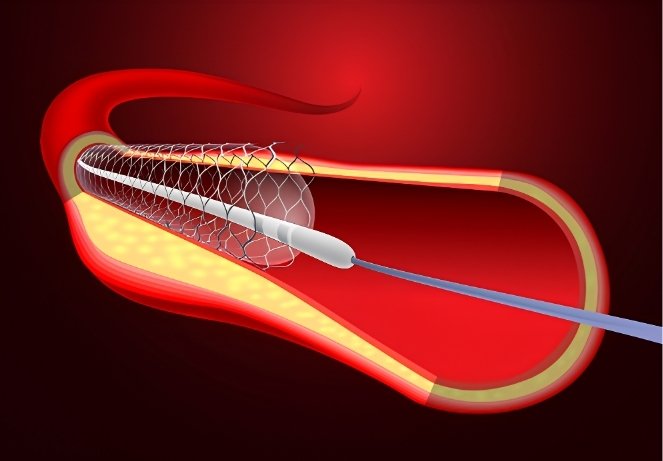
A catheter-based procedure where a balloon is used to open the narrowed artery from the inside, often followed by a stent to hold it open. Done through a small puncture, usually without an overnight stay, and suitable for many blockages in the larger leg arteries.
Atherectomy
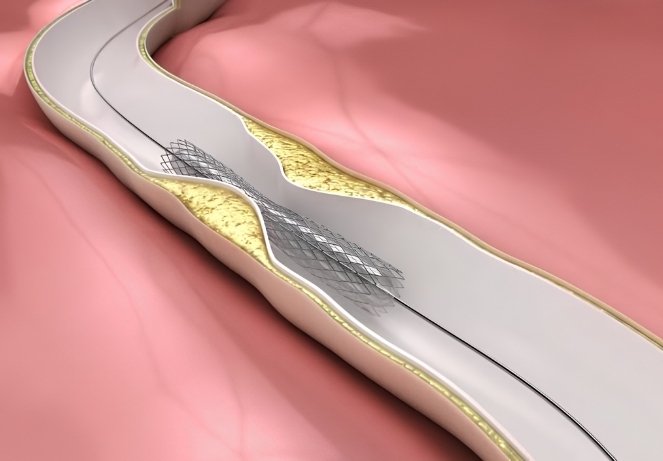
A catheter-based technique that shaves or removes plaque from inside the artery, used in specific situations such as heavily calcified blockages where a balloon alone is less effective.
Surgical Bypass
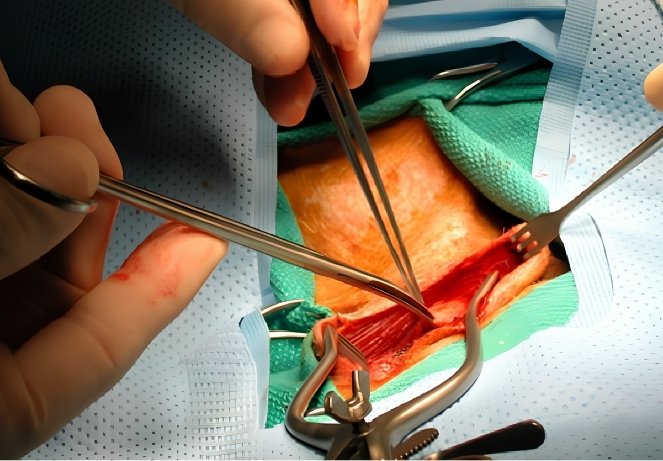
Creating a new pathway for blood flow around a blockage using a vein or synthetic graft, reserved for long or complex blockages not suitable for a catheter-based approach, or when a previous procedure hasn’t held.
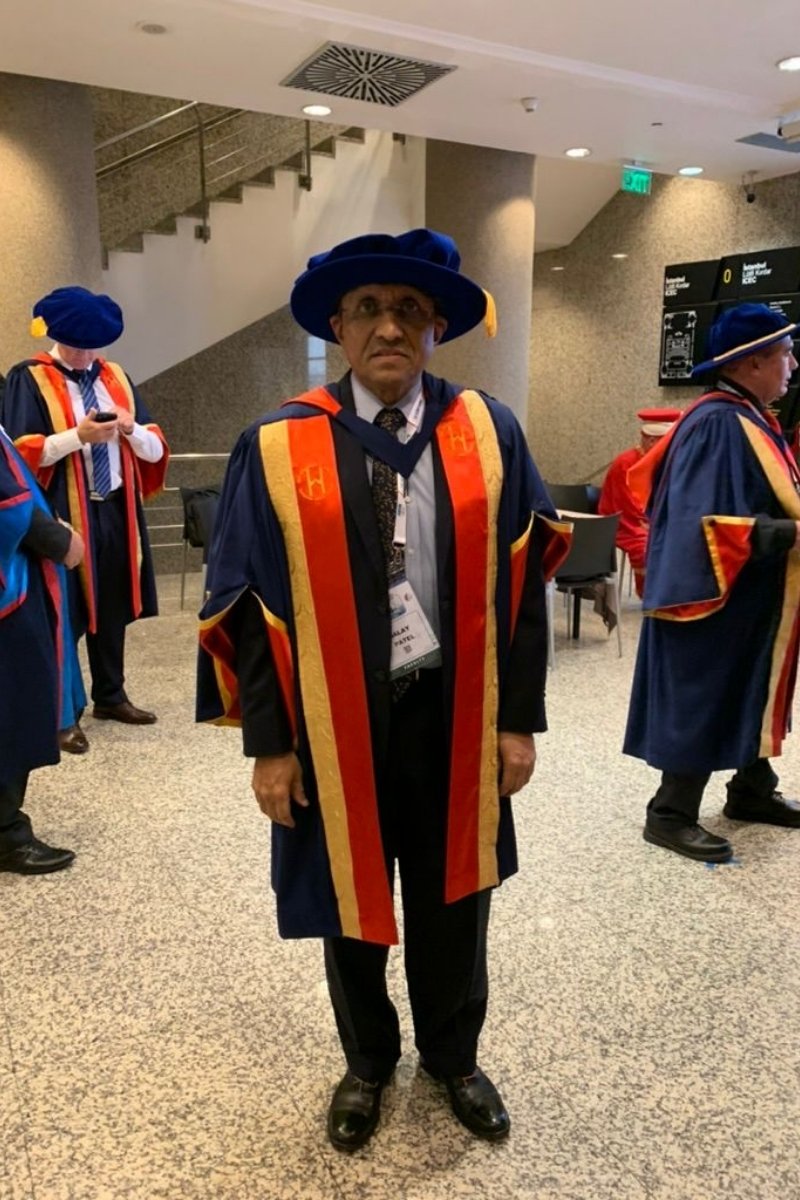
Peripheral Artery Disease Specialist in Ahmedabad: Why Endovascular and Surgical Experience Both Matter
PAD treatment spans two very different skill sets catheter-based endovascular procedures and open surgical bypass and blockages don’t always fall neatly into one category or the other. Having both skill sets under one surgeon means the decision between them is made on clinical grounds, not on which technique happens to be available.
01. Endovascular and Open Surgical Training
Trained and practicing across both catheter-based intervention and surgical bypass since 1991 means blockages are matched to the most suitable technique rather than fitted to a single available approach.
02. Decades of Vascular Surgery Leadership
Served as President of the Vascular Society of India (2003–2005), reflecting standing within the broader vascular surgery community beyond venous disease alone.
03. Peer Reviewer for International Journals
Reviewing for the European Journal of Vascular and Endovascular Surgery since 2008 and currently for the Journal of Vascular Surgery – Venous and Lymphatic Disorders, the highest-indexed journal in vascular and endovascular surgery, involves direct engagement with published evidence on arterial as well as venous disease.
04. Focus on Limb Preservation
Treatment decisions in advanced PAD are made with limb preservation as the priority, coordinating blood flow restoration with wound care rather than treating the two separately.
Advanced Interventions. Safer Outcomes.
Answers to Your Most Common Questions
Will I need surgery?
Many patients with PAD are managed with lifestyle changes and medication alone, particularly with mild to moderate claudication. Surgery or a catheter-based procedure becomes relevant with more severe symptoms, a non-healing wound, or blockages not responding to conservative management.
Can PAD be reversed?
The narrowing itself doesn’t reverse with medication alone, but progression can be slowed significantly, and walking distance often improves with a structured walking program and risk factor control. Procedures restore blood flow directly rather than reversing the underlying artery disease.
Can I delay treatment?
For mild claudication with no wound and no rest pain, starting with lifestyle changes and monitoring is reasonable. If you have a non-healing wound or pain at rest, delay carries a real risk to the tissue and should be avoided.
Does smoking really make a difference?
Yes, significantly. Continued smoking accelerates the underlying artery disease and reduces how well both medication and procedures work over time. Stopping smoking is one of the few changes that measurably improves outcomes at every stage of PAD.
Will my wound heal after the procedure?
Wound healing depends on adequate blood flow being restored and on wound care continuing afterward. Most wounds show visible improvement within weeks once flow is restored, though healing time varies with wound size and diabetes control.
Have More Questions? Fill Out Our Quick Form and Get Answers
If walking is becoming more limited, or you have a wound that isn't healing, a simple pulse check and ABI test can tell you a great deal in one visit.