
Vascular Malformations Treatment in Ahmedabad
Expert Diagnosis & Advanced Treatment for Vascular Malformations by Dr. Malay Patel
Vascular malformations are abnormal clusters or channels of blood vessels that form during development, present from birth even if not immediately visible, and grow proportionally with the person rather than appearing later in life like most other vascular conditions. They can involve veins, arteries, lymphatic channels, or a combination, and range from a soft, barely noticeable swelling to a lesion that causes pain, disfigurement, or bleeding. Dr. Malay Patel evaluates and treats vascular malformations in Ahmedabad, with the approach guided by which type of vessel is involved and how the malformation is affecting the person.
Because malformations are present from birth and grow with the person, they're often noticed in childhood but may not be formally evaluated or treated until symptoms - pain, growth, bleeding, or cosmetic concern bring the person to a specialist as an adult. Hormonal changes (puberty, pregnancy) and injury to the area can trigger noticeable growth or symptom onset in a previously quiet malformation.
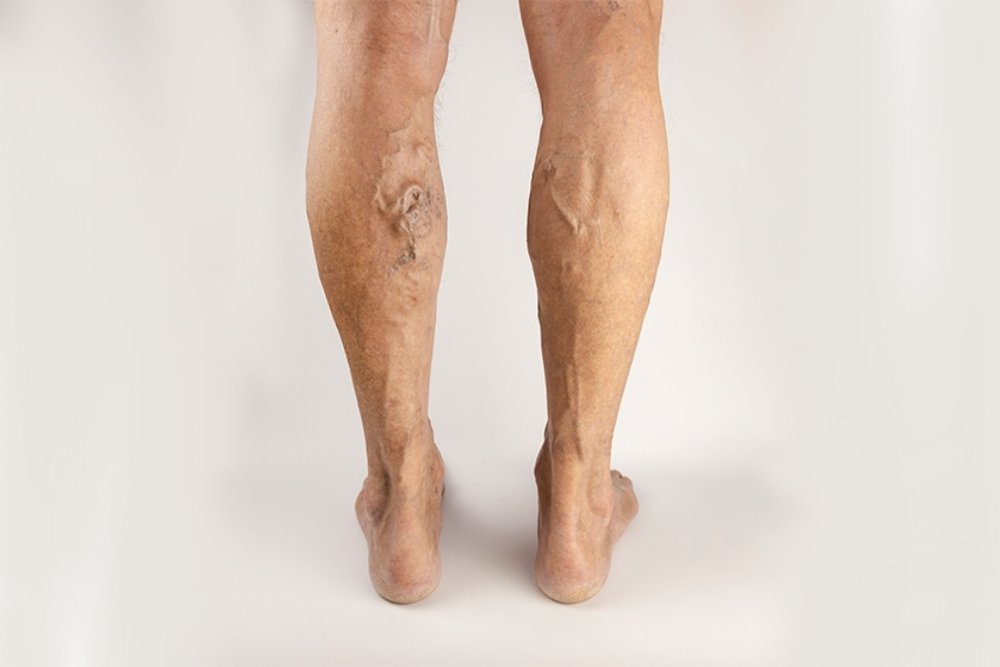
What Are Vascular Malformations?
Vascular malformations arise from abnormal development of blood or lymphatic vessels before birth. Unlike vascular tumors such as hemangiomas, which typically appear after birth and often shrink over time on their own, malformations are present from birth, even if not visible until later, and they grow in proportion to the person rather than regressing.
Malformations are classified by which type of vessel is predominantly involved: venous malformations (abnormal, poorly formed veins, the most common type), arteriovenous malformations or AVMs (abnormal direct connections between arteries and veins, bypassing the normal capillary network), lymphatic malformations (abnormal clusters of lymphatic channels), and capillary malformations (abnormal small surface vessels, often seen as a birthmark). Some malformations involve a combination of these vessel types.
Symptoms You Should Never Ignore
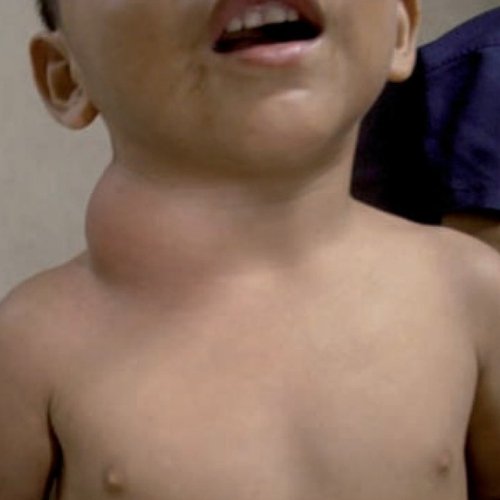
Persistent Swelling
A swelling that gradually increases in size should be evaluated by a vascular specialist.
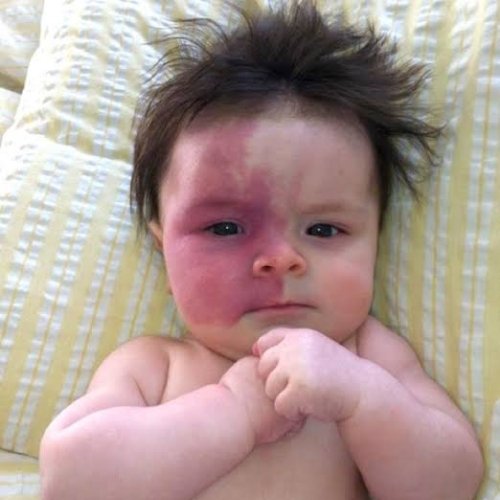
Skin Discoloration
Bluish, reddish, or purple skin changes may indicate an underlying vascular abnormality.

Pain or Discomfort
Pain may develop due to increased pressure or involvement of nearby tissues.
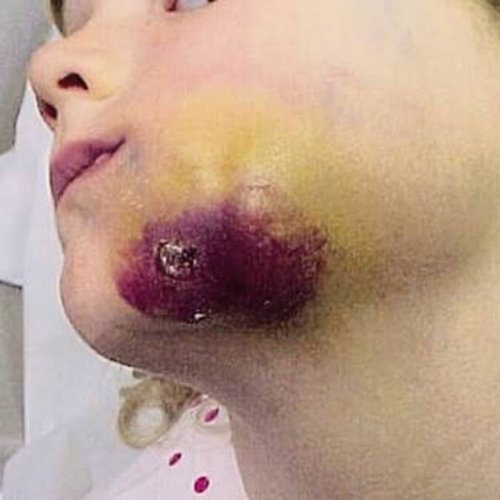
Bleeding
Repeated or unexplained bleeding from the affected area requires medical attention.
When Should You Consult a Vascular Surgeon?
Early assessment helps determine the type of vascular malformation and the most appropriate treatment.
Repeated Bleeding
Frequent bleeding from the affected area should never be ignored.
Visible Skin Changes
Unusual skin discoloration or enlarged blood vessels warrant medical assessment.
Growing Swelling
Any swelling that continues to enlarge should be examined without delay.
Persistent Pain
Pain associated with a vascular swelling requires specialist evaluation.
- Growing Swelling
Any swelling that continues to enlarge should be examined without delay.
- Persistent Pain
Pain associated with a vascular swelling requires specialist evaluation.
- Repeated Bleeding
Frequent bleeding from the affected area should never be ignored.
- Visible Skin Changes
Unusual skin discoloration or enlarged blood vessels warrant medical assessment.
Meet Vascular Malformation Specialist in Ahmedabad
Dr. Malay Patel has practiced vascular and endovascular surgery in Ahmedabad since 1991, with venous and vascular malformations managed as part of his broader phlebology and vascular practice. He is currently attached to Apollo Hospital and SVP Hospital in Ahmedabad, and previously served as Assistant Professor of Vascular Surgery at Sheth V.S. General Hospital and Sheth K.M. School of Post-Graduate Medicine and Research from 2007 to 2018.
He was Founding President of the Venous Association of India (2007–2009) and served on the executive committee of the International Union of Phlebology from 2013 to 2021, including as Vice-President and Assistant General Secretary. He has served as a peer reviewer for the journal Phlebology since 2013 and for the European Journal of Vascular and Endovascular Surgery since 2008, and is currently also an active peer reviewer for the Journal of Vascular Surgery – Venous and Lymphatic Disorders, the highest-indexed journal in vascular and endovascular surgery.
His practice, First Choice Vascular, evaluates vascular malformations with ultrasound and MRI as standard, and offers ultrasound-guided sclerotherapy and embolization for venous and arteriovenous malformations respectively, with surgical excision available for well-localized lesions.

Vascular Malformation Treatment: Sclerotherapy, Embolization & Surgery
Vascular malformation treatment depends entirely on which vessel type is involved and how it behaves. Venous and lymphatic malformations respond to image-guided sclerotherapy, arteriovenous malformations require embolization to address their high-flow nature, and surgery is reserved for well-localized lesions chosen based on what your imaging shows.
Ultrasound-Guided Sclerotherapy
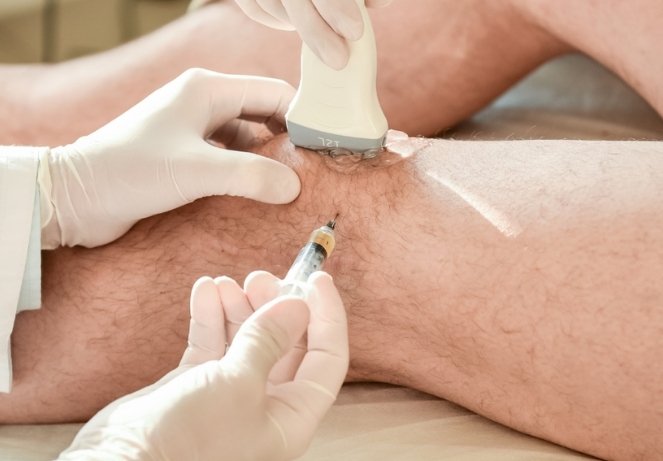
For venous and lymphatic malformations, a sclerosant agent is injected directly into the abnormal vessel channels under ultrasound guidance, causing them to collapse and gradually be reabsorbed. This is the primary treatment for most slow-flow malformations and is often performed over multiple sessions to address the full extent of the lesion.
Embolization
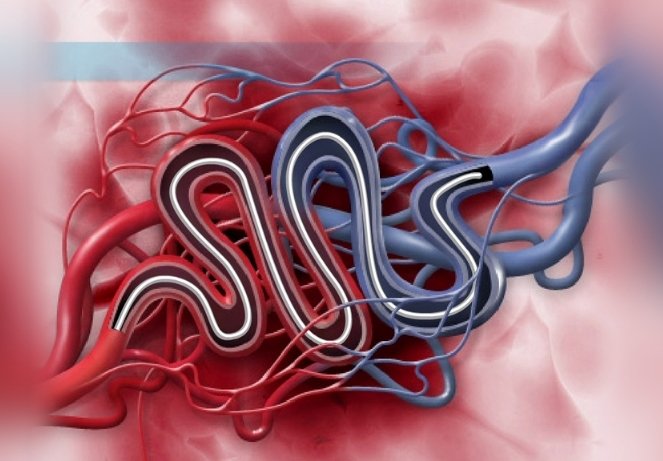
For arteriovenous malformations, a catheter-based procedure delivers an embolizing agent directly to the abnormal artery-to-vein connections under imaging guidance, reducing the abnormal high-flow shunting. Often requires a staged approach over more than one session for larger AVMs.
Surgical Excision
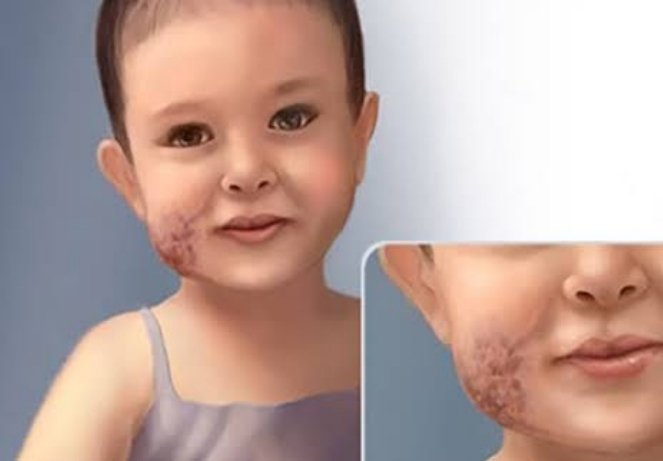
Direct surgical removal, considered for malformations that are well-localized, causing significant symptoms, or not adequately controlled by sclerotherapy or embolization alone, particularly for smaller, well-defined lesions.

Vascular Malformation Specialist in Ahmedabad: Why Correctly Identifying the Vessel Type Matters
Vascular malformations are frequently misdiagnosed or mislabeled generically as “birthmarks” or “swellings,” delaying appropriate treatment for years. Correctly distinguishing venous, lymphatic, and arteriovenous malformations at the outset is what determines whether treatment succeeds.
01. Deep Background in Venous Vessel Behavior
Decades of focus on venous disease provide direct familiarity with how venous malformations behave and respond to sclerotherapy, distinct from more common venous conditions like varicose veins.
02. Catheter-Based Skills for High-Flow Lesions
Endovascular experience extends to embolization for arteriovenous malformations, allowing high-flow lesions to be managed with the same catheter-based precision applied to arterial disease elsewhere in the body.
03. Founding President, Venous Association of India
Leading India's dedicated venous disease body (2007–2009) reflects career-long depth in venous vessel pathology broadly, which includes malformations as well as acquired venous disease.
04. Peer Reviewer for International Journals
Reviewing for the European Journal of Vascular and Endovascular Surgery since 2008 and currently for the Journal of Vascular Surgery - Venous and Lymphatic Disorders, the highest-indexed journal in vascular and endovascular surgery, involves direct engagement with published evidence on both common and less common vascular conditions.
Advanced Interventions. Safer Outcomes.
Answers to Your Most Common Questions
I was told years ago I have a 'blood vessel problem's. Is it too late to treat it now?
No. Vascular malformations can be evaluated and treated at any age, and treatment options and imaging have generally improved since childhood diagnoses made years ago. It’s worth having it formally characterized even if it was never treated before.
Will this need more than one treatment session?
Often, yes, particularly for larger or more extensive malformations treated with sclerotherapy or embolization. This is planned as a staged approach from the outset rather than presented as a single guaranteed fix.
Can a malformation come back after treatment?
Some malformations, particularly larger or more diffuse ones, can show some residual or recurrent activity over time, which is why periodic follow-up imaging is part of long-term care even after successful initial treatment.
Will I need surgery?
Not necessarily. Many venous and arteriovenous malformations are managed effectively with sclerotherapy or embolization alone. Surgery is considered for well-localized lesions or when image-guided treatment hasn’t adequately controlled the malformation.
Is this dangerous if left untreated?
This depends on the type. Slow-flow venous or lymphatic malformations are often not dangerous if stable and asymptomatic, though they can worsen over time. High-flow arteriovenous malformations carry a higher risk of bleeding and complications and are generally treated with more urgency once diagnosed.
Have More Questions? Fill Out Our Quick Form and Get Answers
If you have a vascular malformation that's never been formally evaluated, or one that's changing, don't assume nothing can be done.