
Buerger's Disease Treatment in Ahmedabad
Expert Care for Buerger's Disease by Dr. Malay Patel
Buerger's disease is an inflammatory condition affecting the small and medium arteries and veins, most often in the hands and feet, that causes them to become blocked by clots and progressively narrowed. It occurs almost exclusively in people who smoke or use tobacco in any form, and it behaves differently from the more common artery blockages caused by atherosclerosis. Dr. Malay Patel evaluates and treats Buerger's disease in Ahmedabad, with tobacco cessation as the essential foundation of every treatment plan, alongside medical management and, where appropriate, procedures to preserve the limb.
Buerger's disease can also affect superficial veins, causing recurring episodes of tender, cord-like inflammation along a vein (superficial thrombophlebitis) that moves to different locations over time a pattern that, combined with tobacco use and small vessel involvement, helps distinguish it from other vascular conditions.
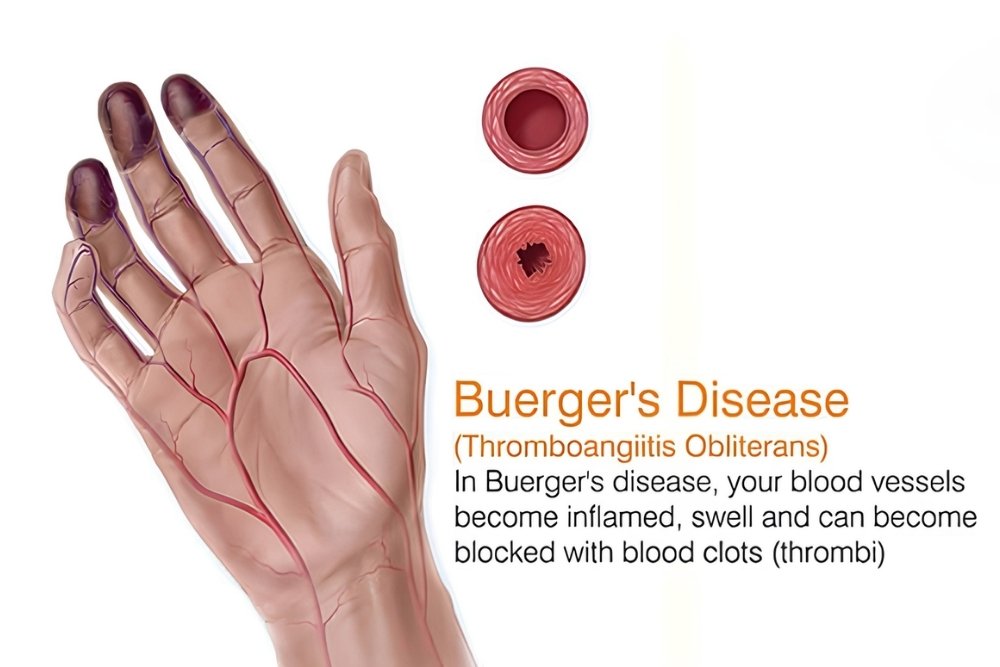
What Is Buerger's Disease?
Buerger’s disease, medically known as thromboangiitis obliterans, is an inflammatory condition that affects the smaller arteries and veins of the hands and feet, causing them to become inflamed, clotted, and progressively blocked. Unlike the more common peripheral artery disease caused by fatty plaque buildup (atherosclerosis), Buerger’s disease involves inflammation of the vessel wall itself, and it tends to affect younger patients, typically under 45, almost always with a history of tobacco use in some form.
The relationship with tobacco is central to the disease. It occurs almost exclusively in tobacco users, and continued use, even in small amounts, keeps driving the inflammatory process regardless of any other treatment given. This is different from atherosclerosis, where smoking is one of several risk factors; in Buerger’s disease, tobacco cessation isn’t simply advisable, it’s the treatment that determines whether the disease progresses or stabilizes.
Symptoms of Buerger's Disease
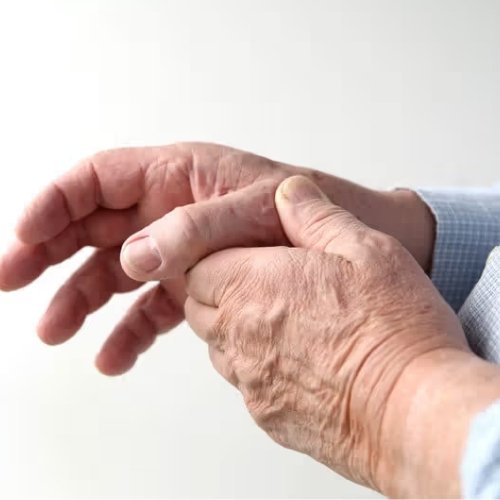
Pain in Hands or Feet
Persistent pain during activity or even at rest may indicate reduced blood flow.
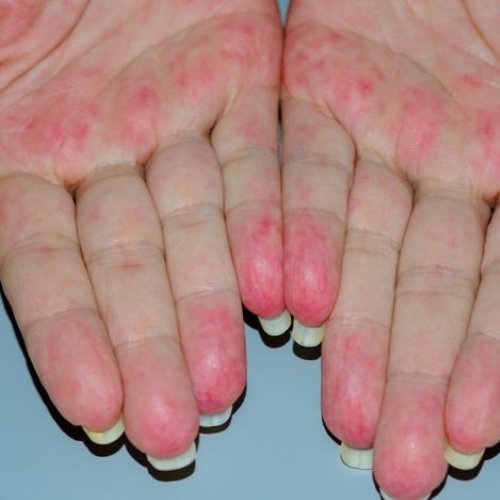
Skin Color Changes
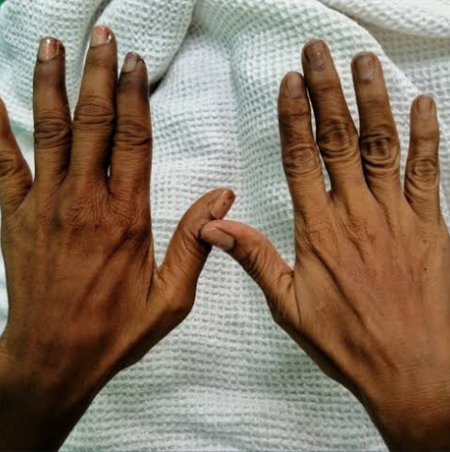
Affected fingers or toes may appear pale, bluish, or reddish due to reduced circulation.
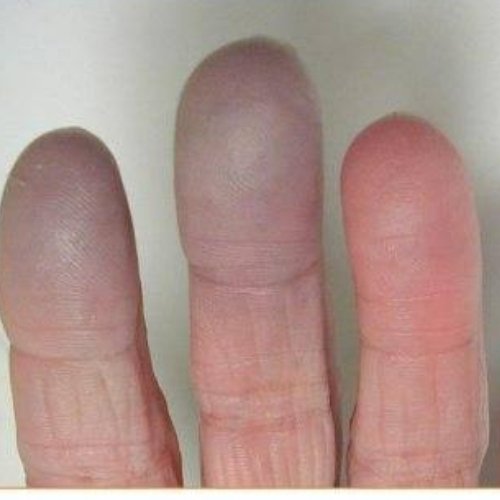
Cold Fingers or Toes
Poor circulation can cause the hands and feet to feel unusually cold.
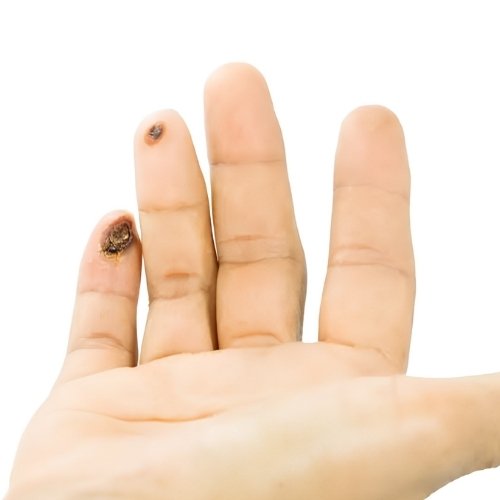
Non-Healing Ulcers
Small sores on the fingers or toes that fail to heal require prompt medical attention.
Causes and Risk Factors
Although the exact cause remains unknown, several factors increase the risk of developing Buerger’s disease.
Tobacco Use
Smoking or using any form of tobacco is the strongest and most significant risk factor for the disease.
Young Adult Age
The condition most commonly affects adults between 20 and 45 years of age.
Genetic Susceptibility
Certain individuals may have a genetic tendency that increases their risk when exposed to tobacco.
Heavy Smoking History
Long-term or heavy tobacco consumption significantly increases the likelihood of disease progression.
- Tobacco Use
Smoking or using any form of tobacco is the strongest and most significant risk factor for the disease.
- Young Adult Age
The condition most commonly affects adults between 20 and 45 years of age.
- Genetic Susceptibility
Certain individuals may have a genetic tendency that increases their risk when exposed to tobacco.
- Heavy Smoking History
Long-term or heavy tobacco consumption significantly increases the likelihood of disease progression.
Possible Complications
Without complete tobacco cessation and timely treatment, the disease can progress and lead to serious complications.
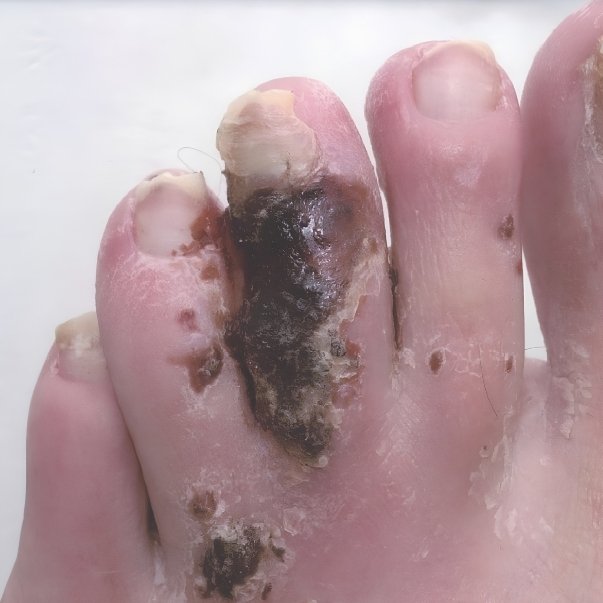
Chronic pain
Persistent lack of blood flow may cause severe pain that affects daily activities and sleep.
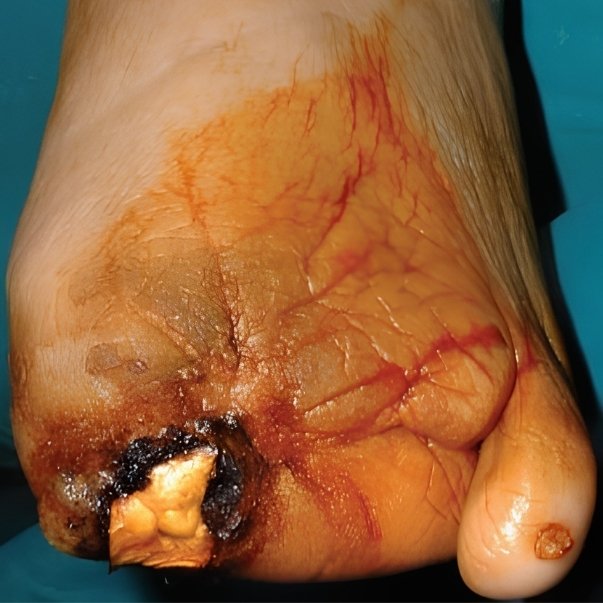
Non-Healing Wounds
Poor circulation can delay healing and increase the risk of persistent ulcers.
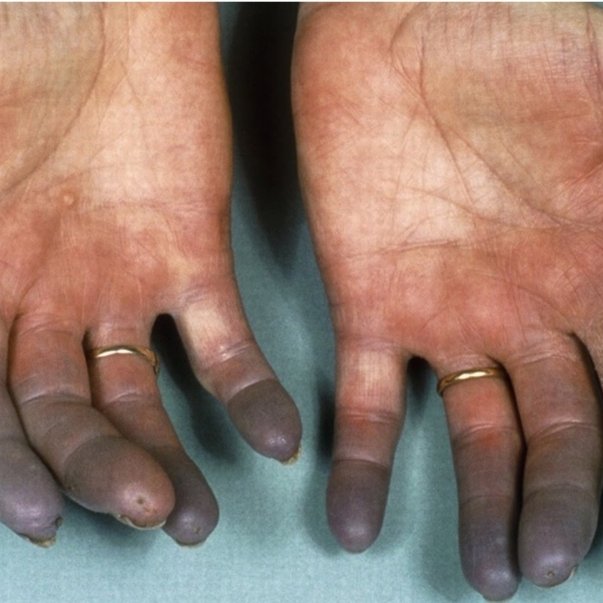
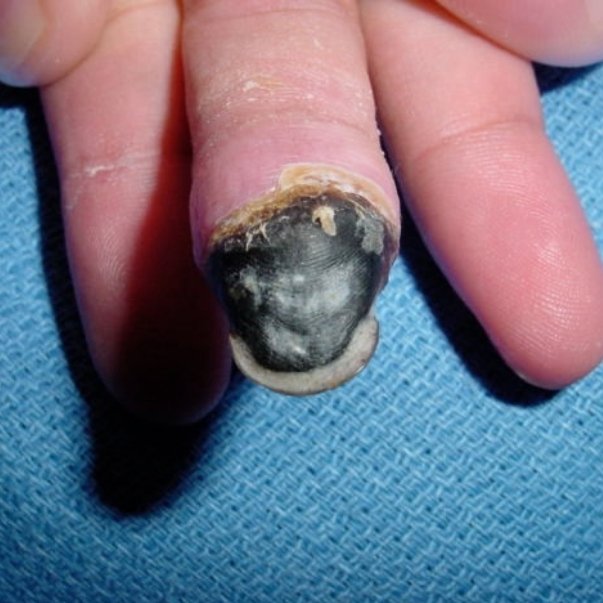
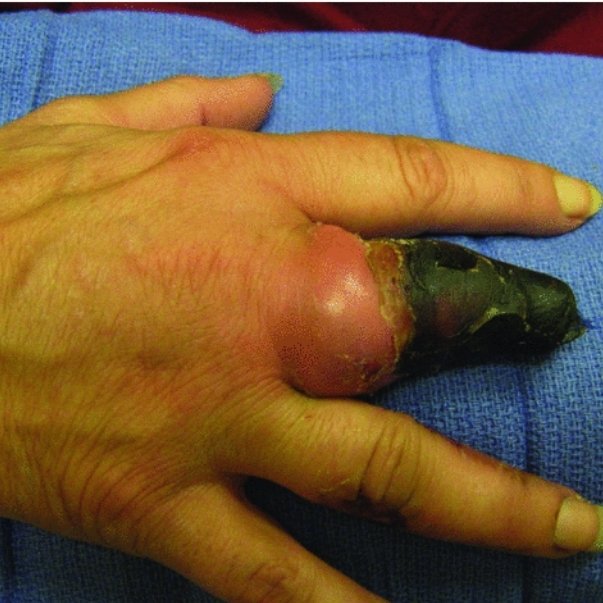
Gangrene
Severe reduction in blood supply may result in tissue death affecting the fingers or toes.
Serious Infections
Open wounds and damaged tissue are more vulnerable to bacterial infections.
Loss of Fingers or Toes
Advanced disease may require surgical removal of severely damaged tissue.
Meet Buerger's Specialist in Ahmedabad
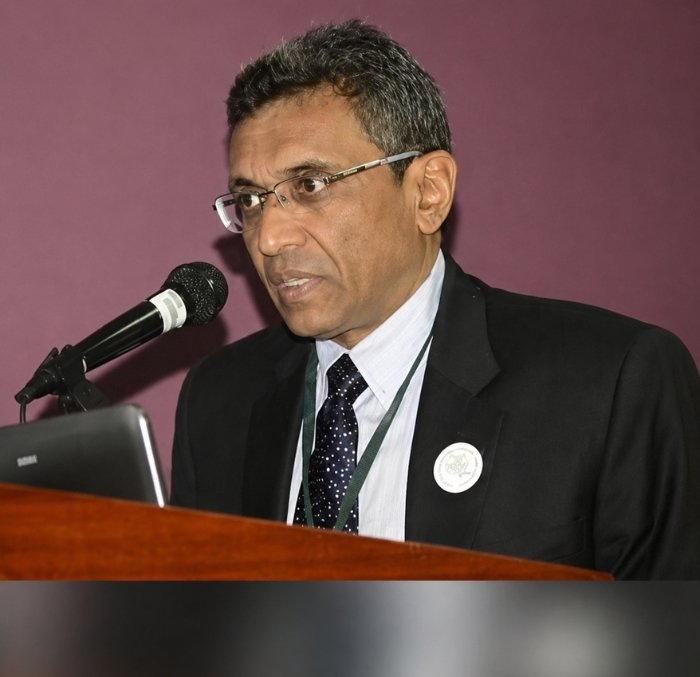
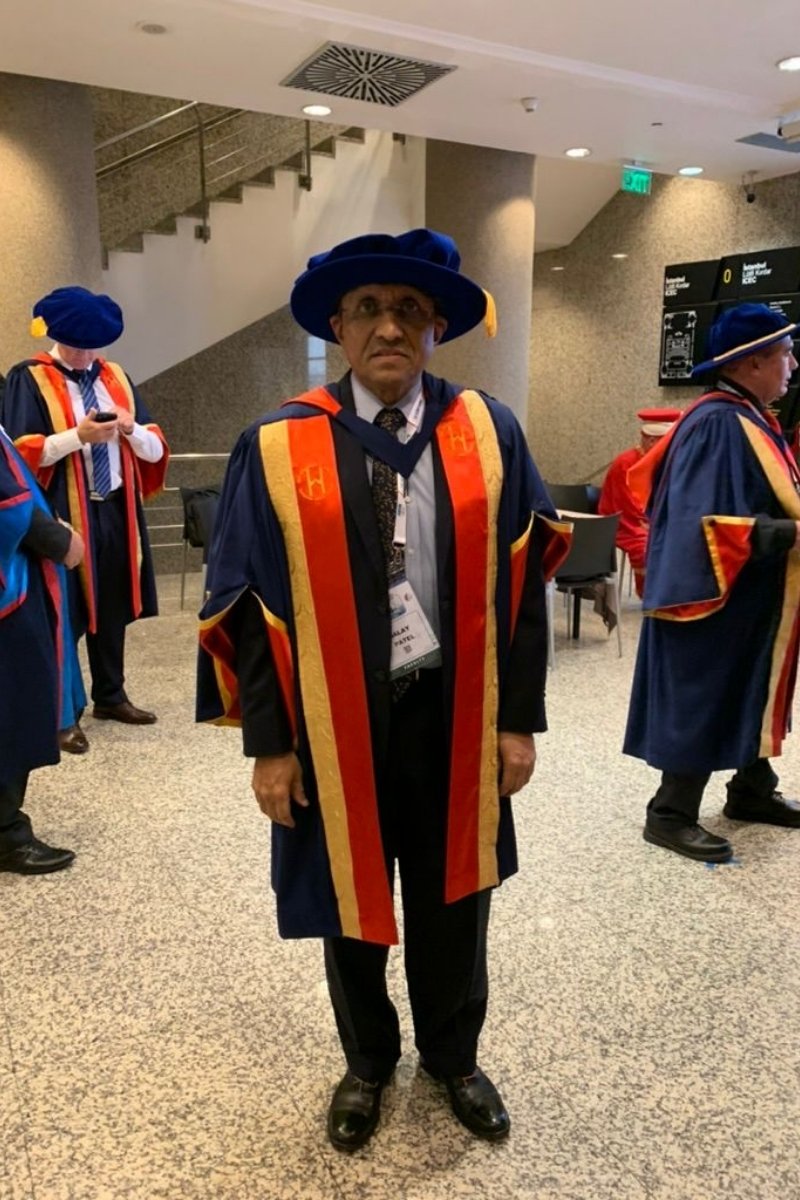
Dr. Malay Patel has practiced vascular and endovascular surgery in Ahmedabad since 1991, managing the full range of arterial vascular disease, including Buerger’s disease, alongside his broader vascular and venous practice. He is currently attached to Apollo Hospital and SVP Hospital in Ahmedabad, and previously served as Assistant Professor of Vascular Surgery at Sheth V.S. General Hospital and Sheth K.M. School of Post-Graduate Medicine and Research from 2007 to 2018.
His broader standing in vascular surgery includes serving as President of the Vascular Society of India from 2003 to 2005. He has served as a peer reviewer for the journal Phlebology since 2013 and for the European Journal of Vascular and Endovascular Surgery since 2008, and is currently also an active peer reviewer for the Journal of Vascular Surgery – Venous and Lymphatic Disorders, the highest-indexed journal in vascular and endovascular surgery.
His practice, First Choice Vascular, evaluates Buerger’s disease with detailed vascular imaging and structured tobacco cessation support as standard, coordinating medical management, wound care, and limb salvage procedures for patients committed to stopping tobacco use.
Treatment starts with stopping tobacco - everything else builds on that.
Treating Buerger’s disease means addressing the cause, not just the symptoms. Alongside structured support to stop tobacco use completely, medication and wound care help manage symptoms and protect affected fingers or toes while that happens.
Tobacco Cessation Support
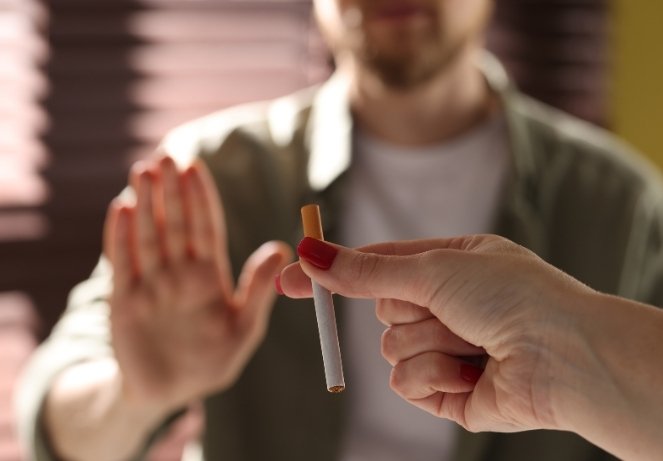
Complete cessation of all tobacco and nicotine products is the single most important treatment for Buerger’s disease, and disease progression very rarely stops without it. Structured support and monitoring are provided as a core, ongoing part of care, not a one-time piece of advice.
Medical Management
Medications to improve blood flow and reduce clotting risk in the affected small vessels, used to manage symptoms and support tissue viability alongside tobacco cessation.
Wound Care and Limb Salvage Procedures
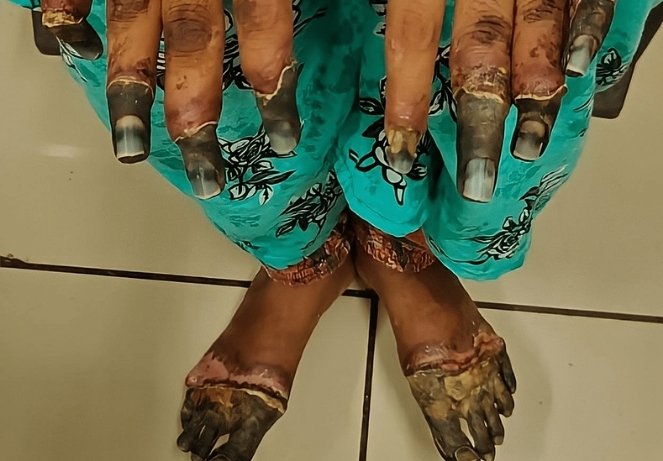
For fingers or toes with wounds or tissue loss, coordinated wound care, and where a revascularization procedure is anatomically feasible, restoring blood flow to support healing. When tissue is no longer viable, a limited amputation is performed with the specific aim of preserving as much function as possible.
Buerger's Disease Specialist in Ahmedabad: Why Recognizing This Distinct Condition Matters
Buerger’s disease is often under-recognized because it can resemble typical peripheral artery disease at first glance, but it occurs in a younger population, involves different vessels, and above all requires a treatment approach centered on tobacco cessation rather than the standard PAD treatment pathway.
01. Experience Distinguishing Buerger's Disease from Typical PAD
Recognizing the distinct pattern of small vessel involvement, patient age, and tobacco relationship specific to Buerger's disease avoids the delay that comes from initially treating it as standard atherosclerotic PAD.
02. Structured Approach to Tobacco Cessation
Since disease progression is directly tied to continued tobacco use, cessation is treated as an ongoing clinical intervention with ongoing follow-up, not a single piece of advice given at diagnosis.
03. Decades of Vascular Surgery Practice
Practicing across the full range of vascular disease since 1991 provides the broader vessel-handling experience relevant to the wound care and limited limb salvage procedures Buerger's disease can require.
04. Peer Reviewer for International Journals
Reviewing for the European Journal of Vascular and Endovascular Surgery since 2008 and currently for the Journal of Vascular Surgery - Venous and Lymphatic Disorders, the highest-indexed journal in vascular and endovascular surgery, involves direct engagement with published evidence across the spectrum of vascular disease, including less common conditions like this one.
Advanced Interventions. Safer Outcomes.
Answers to Your Most Common Questions
Is Buerger's disease the same as regular poor circulation from smoking?
No. While both are related to tobacco use, Buerger’s disease is a distinct inflammatory condition affecting smaller vessels, typically in younger patients, and it behaves and needs to be managed differently from typical atherosclerotic artery disease.
Will I need to stop tobacco completely, or can I cut down?
Complete cessation, not reduction, is needed. Continued tobacco use in any amount, including smaller amounts or switching products, tends to keep the disease active and progressing.
Can this disease be reversed?
Existing vessel damage doesn’t reverse, but disease progression can stop with complete tobacco cessation, and many patients see meaningful symptom improvement and wound healing once tobacco use stops entirely.
Will I need surgery?
Most patients don’t need a major procedure. Wound care and medical management, combined with tobacco cessation, are the mainstay of treatment. Limited procedures to remove non-viable tissue are considered specifically when tissue has been irreversibly affected.
What if I've already lost part of a finger or toe?
Treatment focuses on preventing further tissue loss through tobacco cessation and medical management, and on caring for the affected area to support the best possible healing and function going forward.
Have More Questions? Fill Out Our Quick Form and Get Answers
If you have hand or foot symptoms along with any tobacco use, particularly a non-healing wound or pain at rest, don't wait for it to progress further.