
Venous Ulcer Treatment in Ahmedabad
Understanding Venous Ulcers
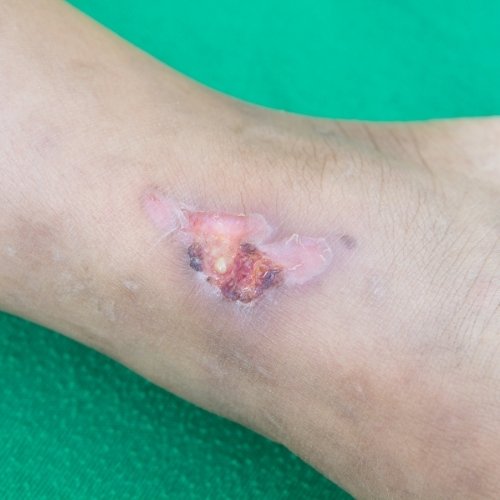
A venous ulcer is an open wound, usually near the ankle, that develops when long-standing pressure in the leg veins damages the skin and underlying tissue until it breaks down and stops healing on its own. It's the most advanced consequence of untreated venous reflux, the same underlying problem behind varicose veins. Dr. Malay Patel evaluates and treats venous ulcers in Ahmedabad, addressing both the wound itself and the vein disease driving it, since treating the wound without correcting the vein rarely leads to lasting healing.
Venous ulcers are more likely to develop in people with long-standing untreated varicose veins, a previous deep vein thrombosis (which can permanently damage vein valves), obesity, prolonged standing occupations, and older age. They tend to recur even after healing if the underlying venous reflux isn't corrected, which is why ulcer treatment and vein treatment are addressed together rather than the wound being treated in isolation.
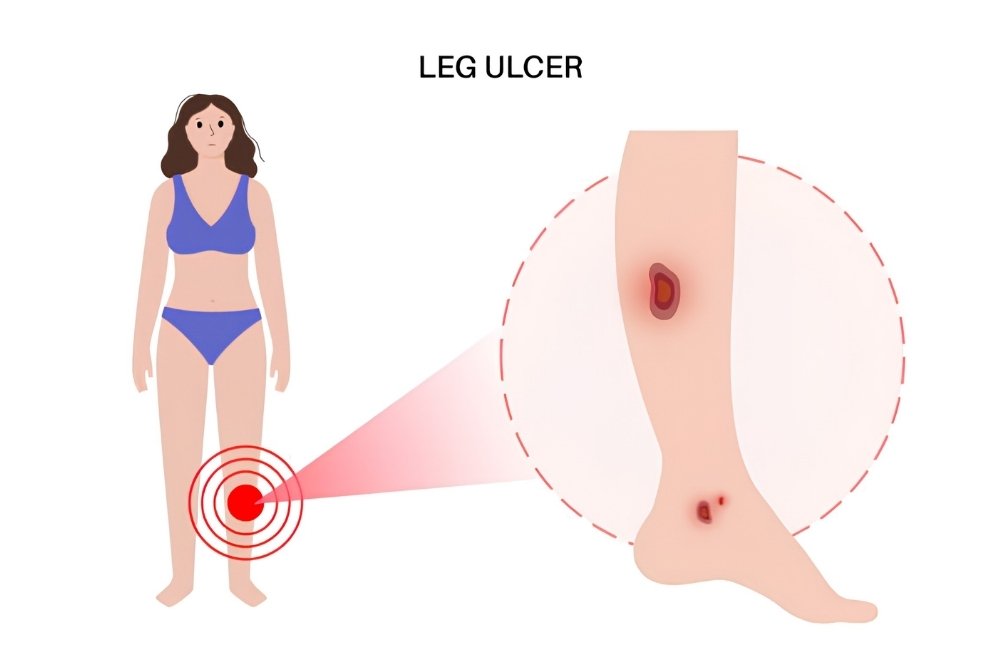
What Are Venous Ulcers?
Venous ulcers develop as the end stage of a process that usually begins years earlier with venous reflux — the backward flow of blood in leg veins caused by faulty valves, the same mechanism behind varicose veins. Over time, this backward flow raises pressure in the smaller veins and capillaries near the skin, particularly around the ankle, where pressure from standing and gravity is greatest.
Sustained high pressure in these small vessels damages the surrounding tissue, causing the skin to become discolored, thickened, and fragile. Eventually, the skin can break down on its own or after a minor injury, and because the underlying circulation problem hasn’t been corrected, the wound often doesn’t heal through dressing care alone, it keeps reopening or fails to close in the first place. This is different from a wound caused by poor arterial blood flow, which is why evaluation includes checking both venous and arterial circulation before treatment starts; the two require different approaches, and treating a venous ulcer as if it were an arterial one, or vice versa, delays healing and can occasionally cause harm.
When Should You Consult a Vascular Surgeon?
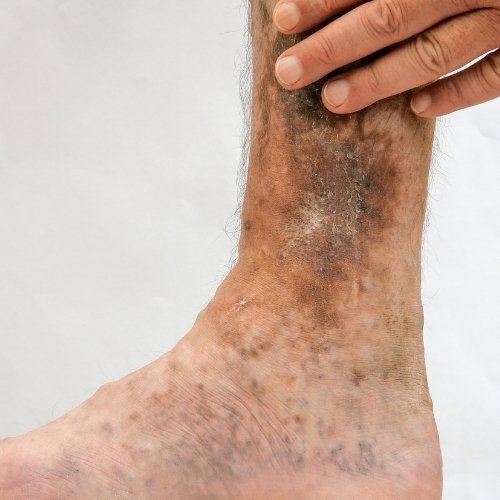
Ulcer Lasting More Than Two Weeks
A wound that does not show signs of healing should be evaluated by a vascular specialist.
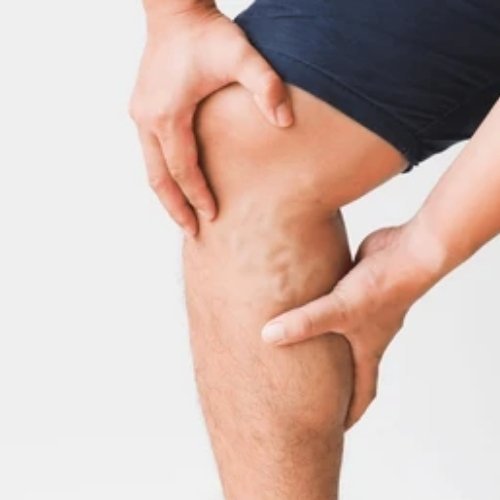
Signs of Infection
Redness, warmth, pus, or increasing pain require prompt medical attention.
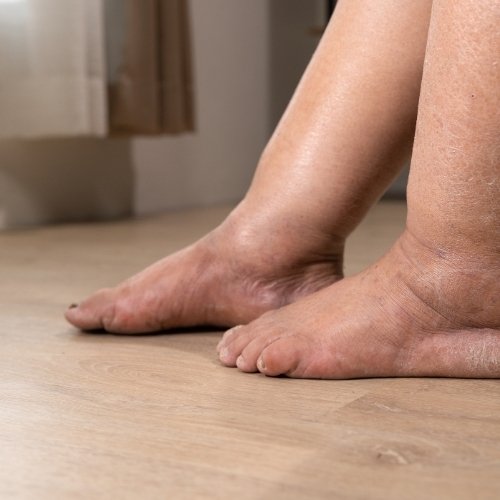
Increasing Leg Swelling
Persistent or worsening swelling may indicate significant venous circulation problems.
Recurrent Leg Ulcers
Repeated ulcers often suggest untreated chronic venous disease that needs specialist care.
Causes and Risk Factors
Several factors can increase pressure in the leg veins and contribute to the development of venous ulcers.
Chronic Venous Insufficiency
Poorly functioning vein valves allow blood to pool in the legs, increasing pressure and damaging the skin.
Varicose Veins
Enlarged and weakened veins can impair healthy circulation and increase the likelihood of ulcer formation.
Previous Deep Vein Thrombosis (DVT)
Past blood clots can damage vein valves, leading to long-term venous circulation problems.
Obesity
Excess body weight places additional pressure on the leg veins and affects normal blood flow.
- Chronic Venous Insufficiency
Poorly functioning vein valves allow blood to pool in the legs, increasing pressure and damaging the skin.
- Varicose Veins
Enlarged and weakened veins can impair healthy circulation and increase the likelihood of ulcer formation.
- Previous Deep Vein Thrombosis (DVT)
Past blood clots can damage vein valves, leading to long-term venous circulation problems.
- Obesity
Excess body weight places additional pressure on the leg veins and affects normal blood flow.
Possible Complications of a Venous Ulcer
Without appropriate treatment, venous ulcers may worsen over time and lead to complications that affect healing and quality of life.
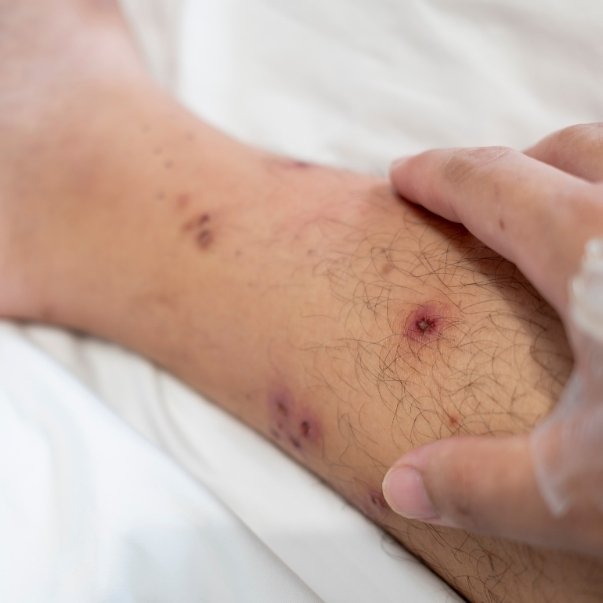
Persistent Infection
Open wounds can become infected, delaying healing and increasing the need for medical treatment.
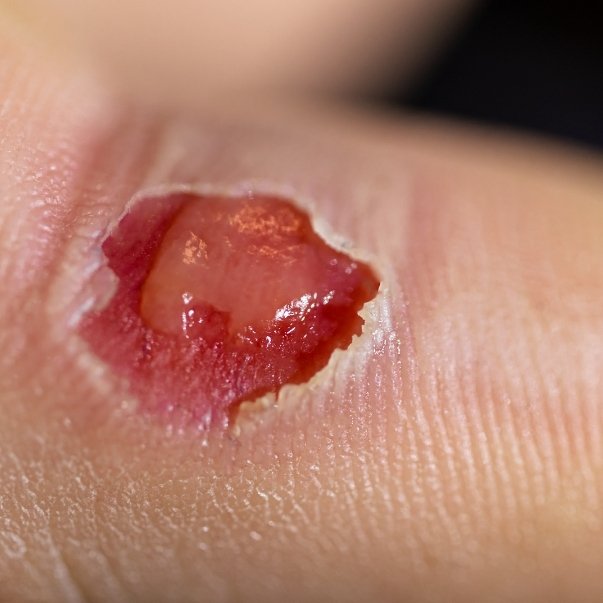
Delayed Wound Healing
Poor circulation may prevent the ulcer from healing, causing it to persist for months.
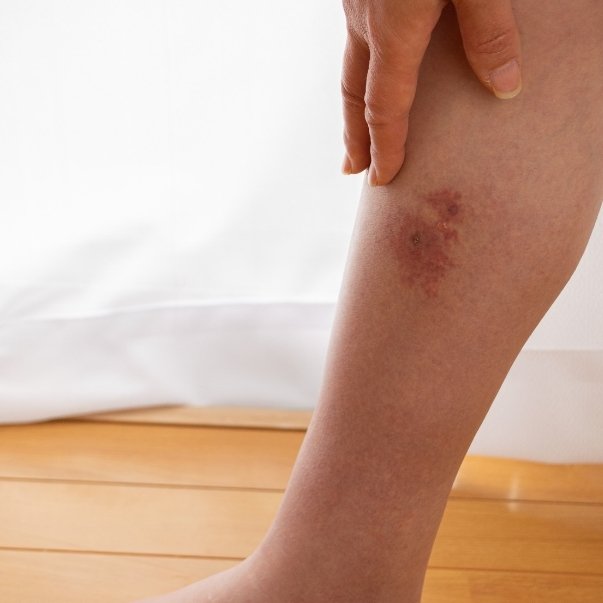
Cellulitis
Bacterial infection of the surrounding skin can cause redness, swelling, pain, and fever.
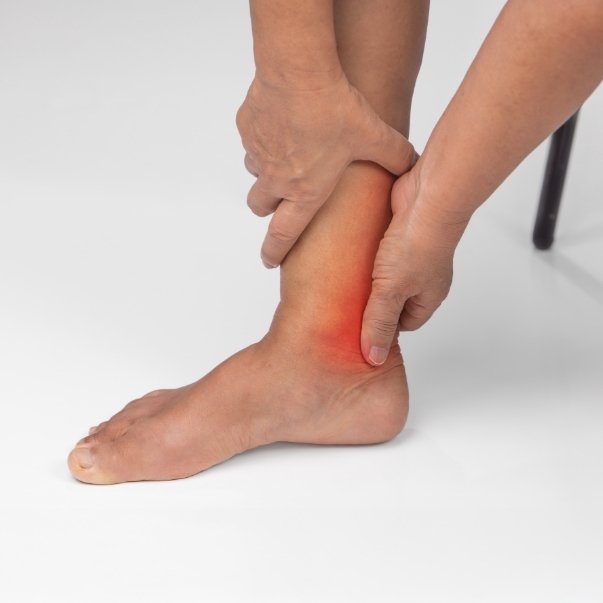
Chronic Pain
Long-standing ulcers may lead to persistent discomfort and reduced daily activity.
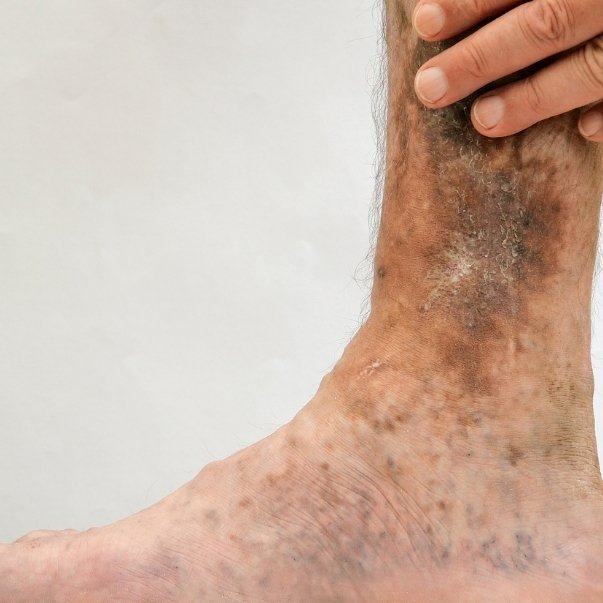
Recurrent Ulcers
Without treating the underlying vein disease, ulcers are more likely to return after healing.
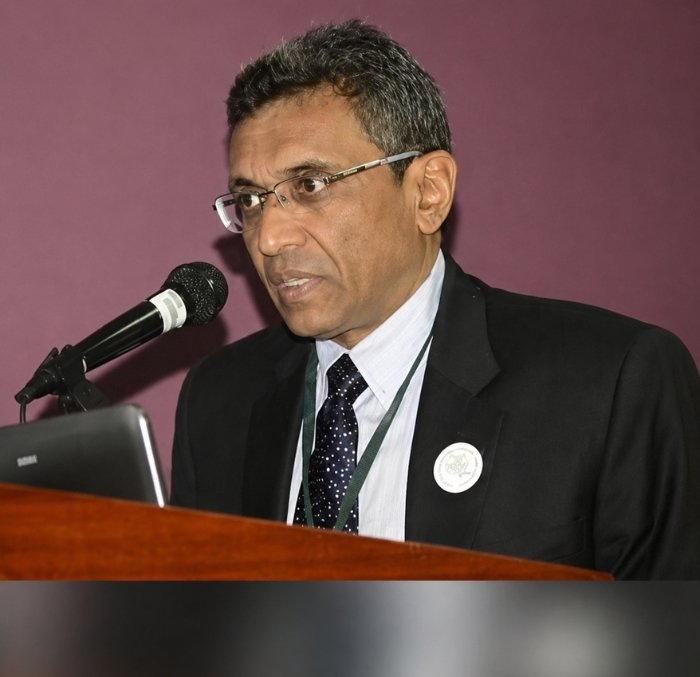
Meet Venous Ulcer Specialist in Ahmedabad
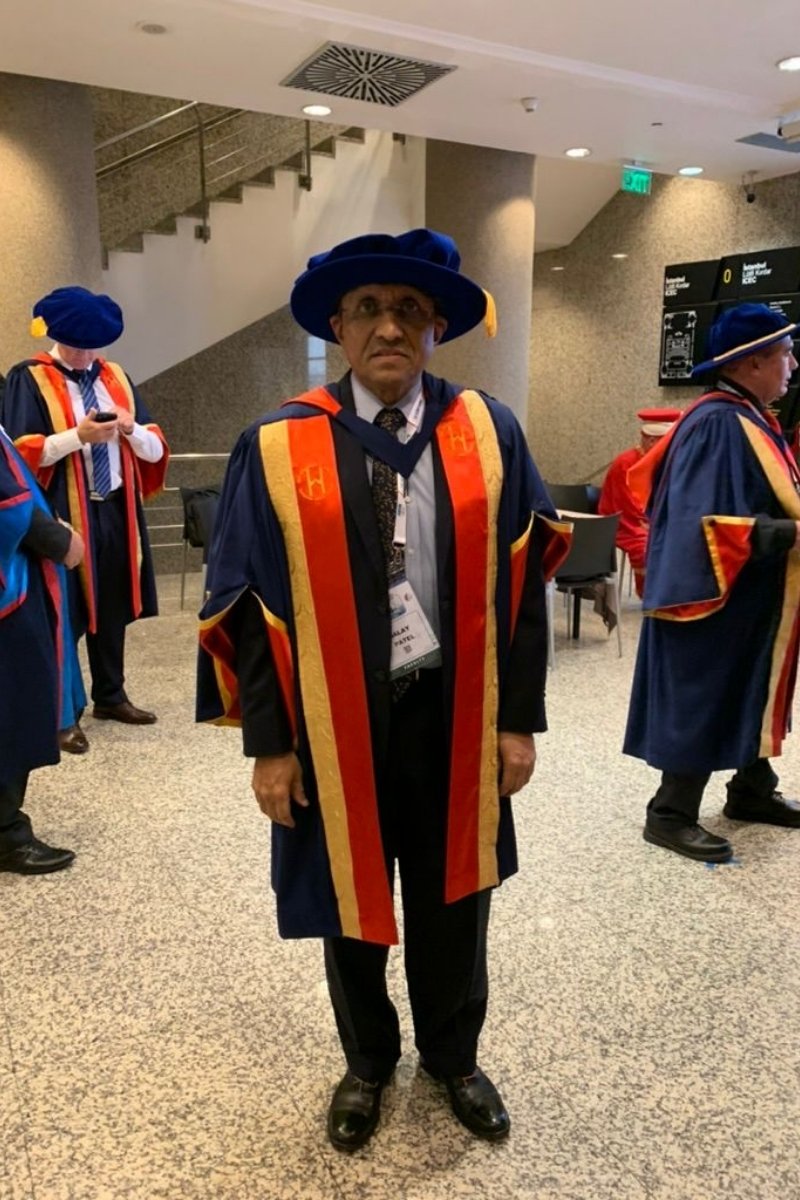
Dr. Malay Patel has practiced vascular and endovascular surgery in Ahmedabad since 1991, with phlebology the diagnosis and treatment of venous disease, including venous ulcers as a dedicated focus of his practice for over two decades. He is currently attached to Apollo Hospital and SVP Hospital in Ahmedabad, and previously served as Assistant Professor of Vascular Surgery at Sheth V.S. General Hospital and Sheth K.M. School of Post-Graduate Medicine and Research from 2007 to 2018.
He was Founding President of the Venous Association of India (2007–2009) and served on the executive committee of the International Union of Phlebology from 2013 to 2021, including as Vice-President and Assistant General Secretary. He has served as a peer reviewer for the journal Phlebology since 2013 and for the European Journal of Vascular and Endovascular Surgery since 2008, and is currently also an active peer reviewer for the Journal of Vascular Surgery – Venous and Lymphatic Disorders, the highest-indexed journal in vascular and endovascular surgery.
His practice, First Choice Vascular, evaluates venous ulcers with duplex ultrasound and arterial assessment as standard, treating the underlying reflux with ultrasound-guided foam sclerotherapy alongside compression and wound care, rather than managing the wound in isolation from the vein disease driving it.
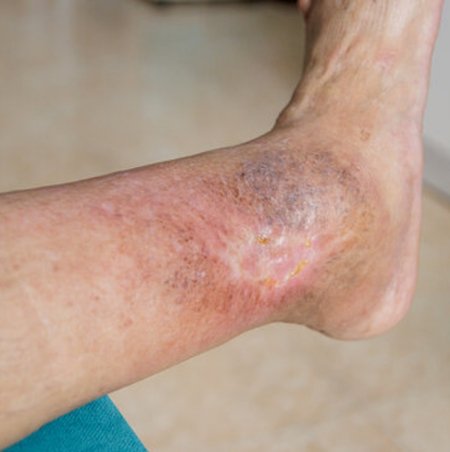
Treating the wound and the vein pressure behind it, together.
Venous ulcers heal best when the wound and the underlying vein reflux are treated together, not separately. Compression reduces the pressure driving the ulcer, ultrasound-guided foam sclerotherapy corrects the reflux causing that pressure, and structured wound care supports the wound itself toward closure.
Compression Therapy
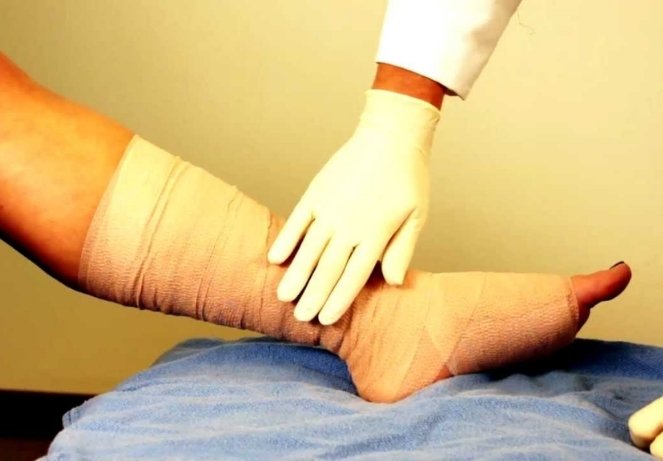
Elastic or layered compression bandaging applied to reduce the pressure driving the ulcer and support healing, adjusted in intensity based on the wound status and confirmed arterial circulation. Compression is foundational to venous ulcer healing, alongside treating the underlying reflux.
Ultrasound-Guided Chemical Endoablation with Foamed Sclerosants
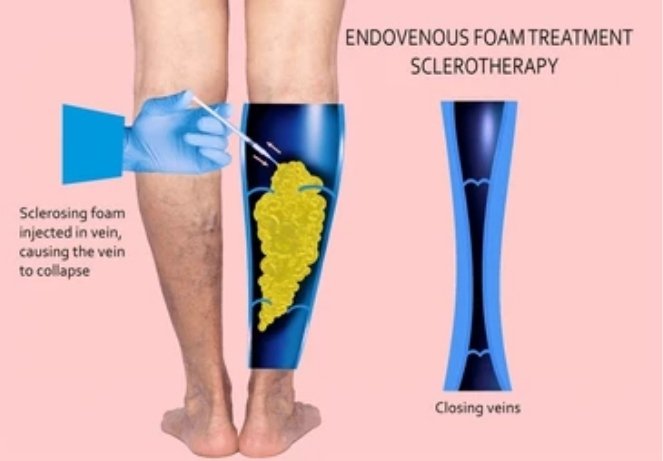
Treating the underlying faulty vein identified on duplex ultrasound to relieve the pressure feeding the ulcer, since correcting the reflux is what reduces the likelihood of the ulcer recurring after it heals. Applicable to the truncal and tributary veins involved, without incisions or anesthesia.
Wound Care and Debridement
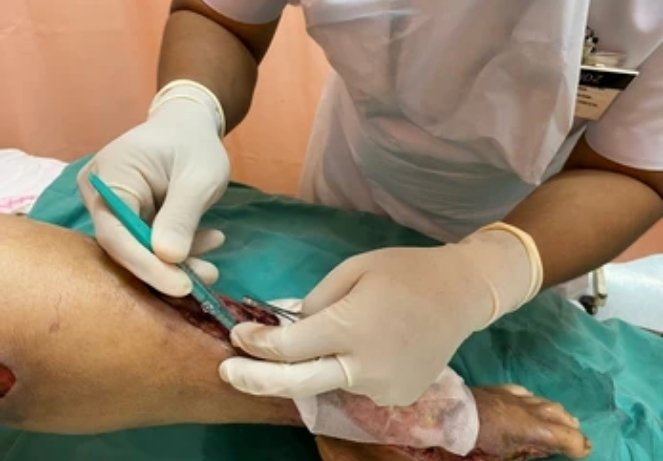
Regular dressing changes suited to the wound’s stage, with debridement of non-healing tissue when needed, to support the wound bed toward closure alongside the compression and vein treatment.
Venous Ulcer Specialist in Ahmedabad: Why Treating the Cause, Not Just the Wound, Matters
Venous ulcers that are treated with wound care alone, without addressing the underlying reflux, tend to heal slowly if at all, and recur even when they do heal. Correcting the vein disease itself is central to durable healing, not an optional add-on to wound care.
01. Decades Focused on Venous Disease
Since 1991, phlebology has been a dedicated part of the practice, giving direct experience in recognizing which venous patterns drive ulcer formation and how to correct them.
02. Founding President, Venous Association of India
Leading India's dedicated venous disease body (2007–2009) reflects a career built specifically around the venous system, including its most advanced complications like ulceration.
03. Executive Committee, International Union of Phlebology
Committee roles from 2013 to 2021, including Vice-President and Assistant General Secretary, involved shaping international clinical positions on venous disease, of which ulcer management is a core, evidence-driven area.
04. Peer Reviewer for International Journals
Reviewing for the European Journal of Vascular and Endovascular Surgery since 2008, Phlebology since 2013, and currently the Journal of Vascular Surgery - Venous and Lymphatic Disorders, the highest-indexed journal in vascular and endovascular surgery, involves direct engagement with the evidence behind current ulcer and reflux treatment.
Advanced Interventions. Safer Outcomes.
Answers to Your Most Common Questions
Will my ulcer heal completely?
Most venous ulcers do heal with a combination of compression, treatment of the underlying reflux, and wound care, though the timeline varies with the ulcer’s size, duration, and your overall health. Larger or longer-standing ulcers take longer to close.
Can this come back after it heals?
Yes, if the underlying venous reflux isn’t corrected or if compression stocking use isn’t continued afterward. This is why vein treatment and ongoing compression are part of the plan, not just wound care during the active ulcer phase.
Will I need a procedure on my veins?
In most cases, yes. Treating the underlying reflux with foam sclerotherapy is what reduces the pressure driving the ulcer and lowers the chance of recurrence, rather than relying on wound care and compression alone.
Is compression therapy uncomfortable?
Compression bandaging can feel tight initially, but it’s adjusted based on your arterial status and tolerance, and most patients adapt to it over the first few days as swelling starts to reduce.
How long will treatment take?
Ulcer healing typically takes weeks to a few months, depending on the wound’s size and how long it’s been present. Vein treatment itself is usually completed over a small number of sessions, while wound healing continues alongside and afterward.
Have More Questions? Fill Out Our Quick Form and Get Answers
If you have a leg wound that isn't healing, don't continue dressing changes alone without having the underlying vein circulation checked.