
Varicose Veins Treatment in Ahmedabad
Understanding Varicose Veins
Varicose veins are swollen, twisted veins that usually appear on the legs, caused by faulty valves that let blood flow backward and pool instead of returning to the heart. Left untreated, they can progress from a cosmetic concern to skin changes, swelling, and leg ulcers. Dr. Malay Patel is among the foremost experts in treating varicose veins with ultrasound-guided chemical endoablation using foamed sclerosants, commonly known as foam sclerotherapy. His input on this technique is sought by phlebologists worldwide, he is a sought-after speaker on the subject internationally, and he serves on several national and international committees shaping venous disease practice.
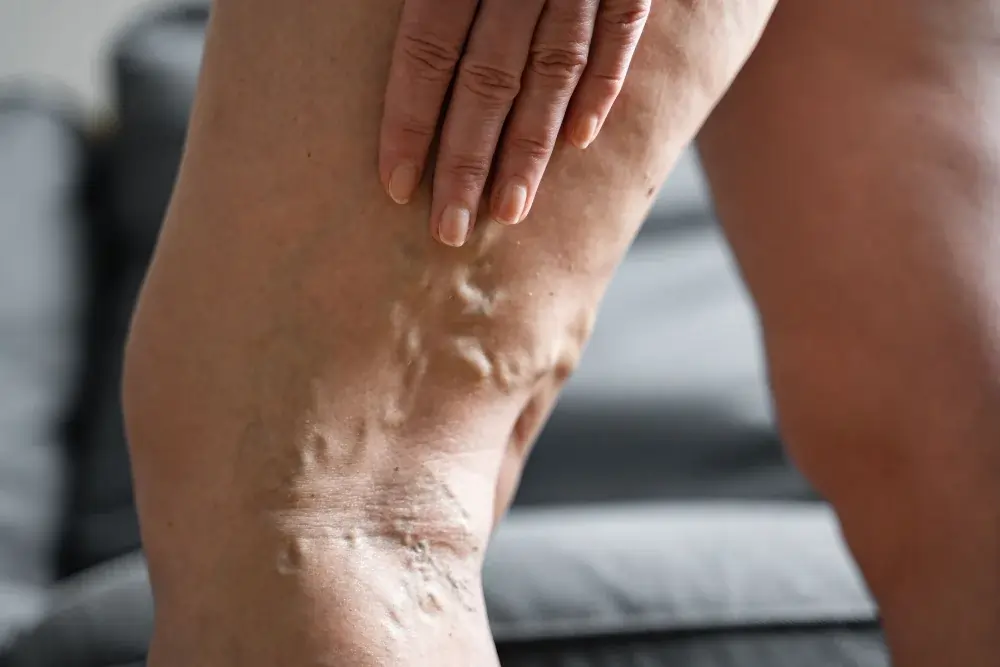
What Are Varicose Veins?
Varicose veins are dilated veins caused by improper blood flow in the venous system, leading to pooling of blood in the legs. They often appear as bulging, blue, or purple veins visible under the skin. Modern treatments go beyond traditional surgery and include laser therapy, radiofrequency ablation, and sclerotherapy, which are minimally invasive, safe, and highly effective. Consulting an experienced varicose veins specialist in Ahmedabad can ensure early intervention, relieve symptoms, prevent complications, and improve your overall leg health.
Symptoms of Varicose Veins
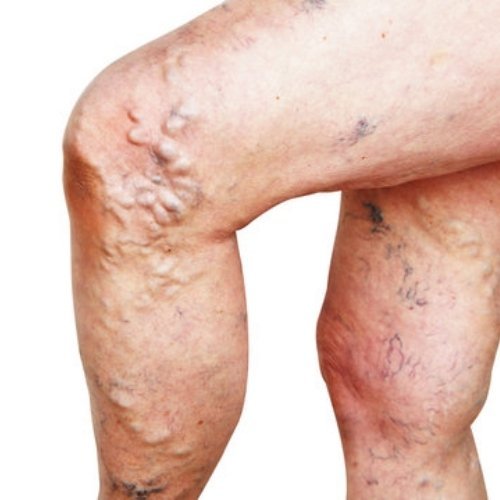
Swelling and heaviness in the legs
Legs may feel tired, achy, or heavy after standing or walking.
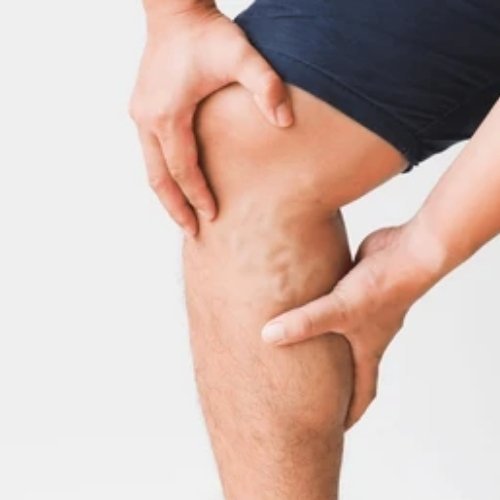
Pain and discomfort
Mild to moderate pain, burning, or cramping can occur, especially at night.
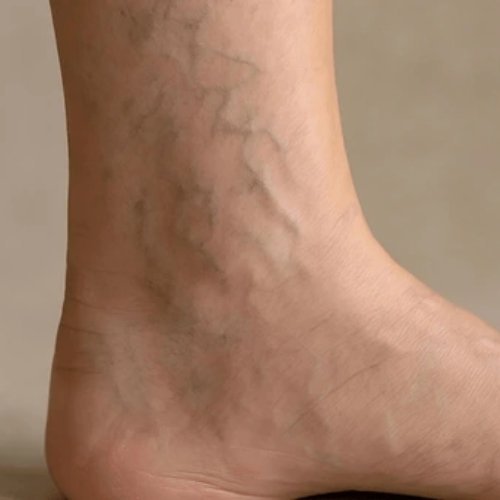
Visible bulging veins
Twisted, rope-like veins often appear on the surface of the legs.
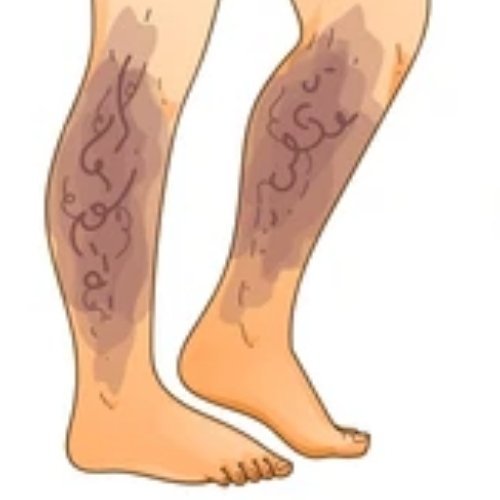
Skin changes
In severe cases, the skin may become discolored, dry, or prone to ulcers.
Causes and Risk Factors
Varicose veins are often caused by increased pressure in the veins due to:
Family History
A family history of varicose veins increases your risk.
Age and Hormonal Changes
Aging and hormonal fluctuations can weaken vein walls.
Lifestyle factors
Prolonged standing, obesity, or sedentary habits contribute to vein problems.
Pregnancy
Increased blood volume and hormonal changes can trigger varicose veins.
- Family History
A family history of varicose veins increases your risk.
- Age and hormonal changes
Aging and hormonal fluctuations can weaken vein walls.
- Lifestyle Factors
Prolonged standing, obesity, or sedentary habits contribute to vein problems.
- Pregnancy
Increased blood volume and hormonal changes can trigger varicose veins.
Complications
If left untreated, varicose veins may lead to:
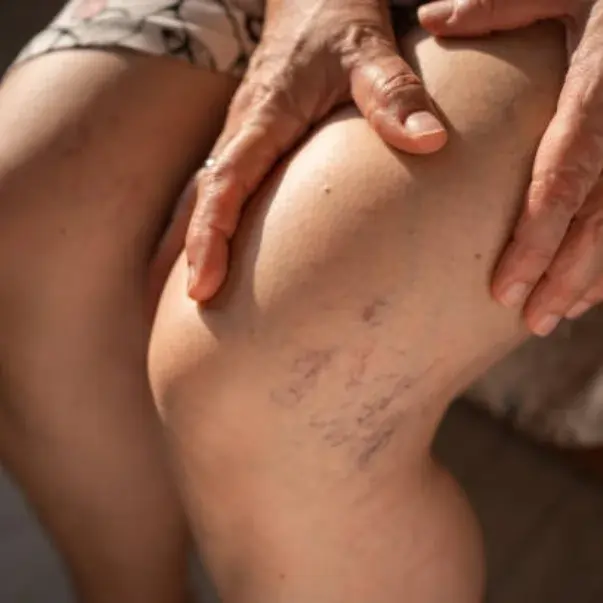
Chronic pain and leg fatigue
Persistent discomfort affecting mobility.
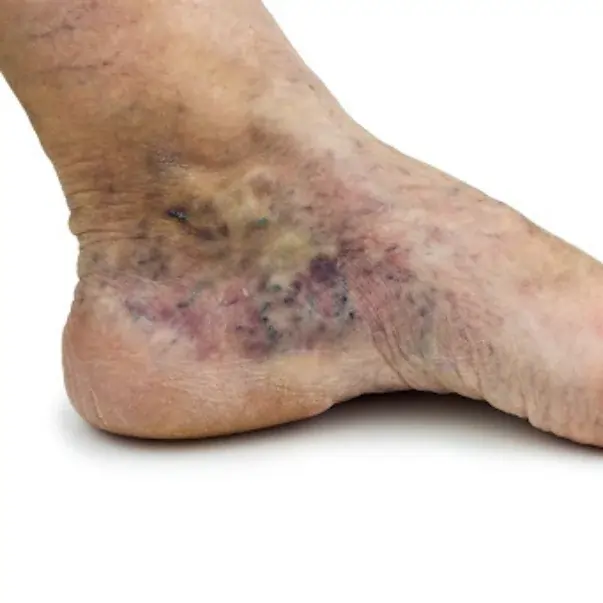
Skin ulcers and infections
Poor circulation may cause non-healing wounds.
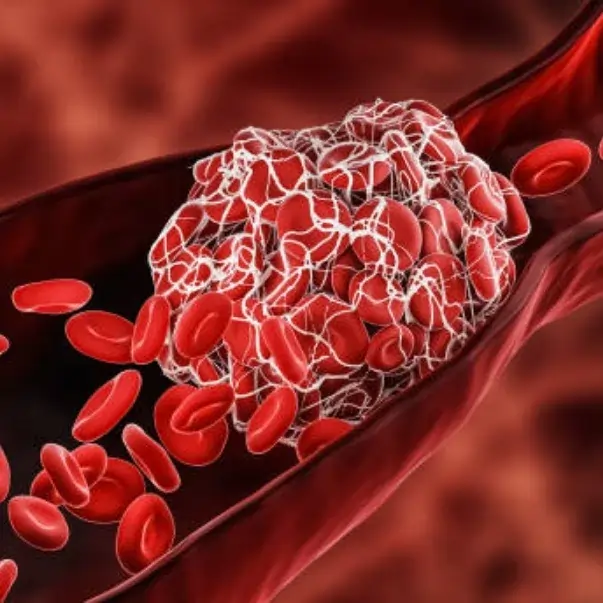
Blood clots (Superficial or DVT)
Risk of clot formation in superficial or deep veins
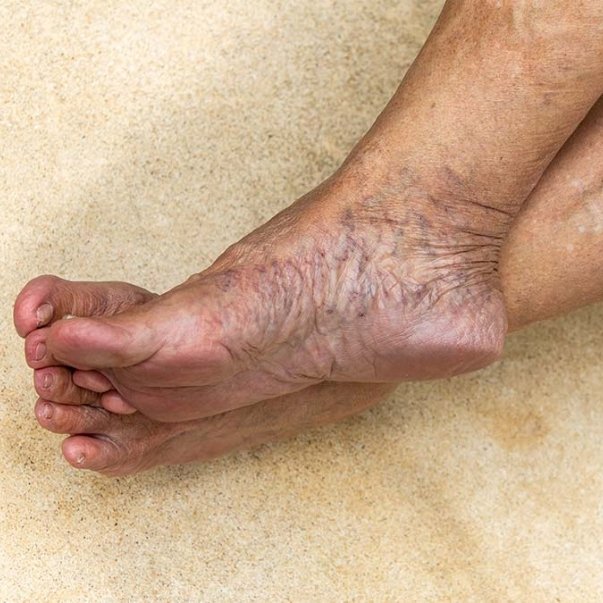
Ankle and foot stiffness
Reduced muscle pump function may cause ankle and foot stiffness, worsening blood flow over time.
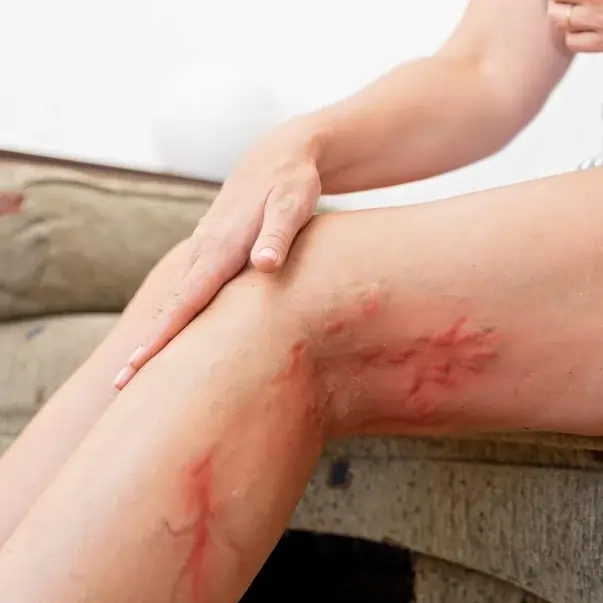
Bleeding veins
Trauma to prominent veins may cause bleeding or bruising.
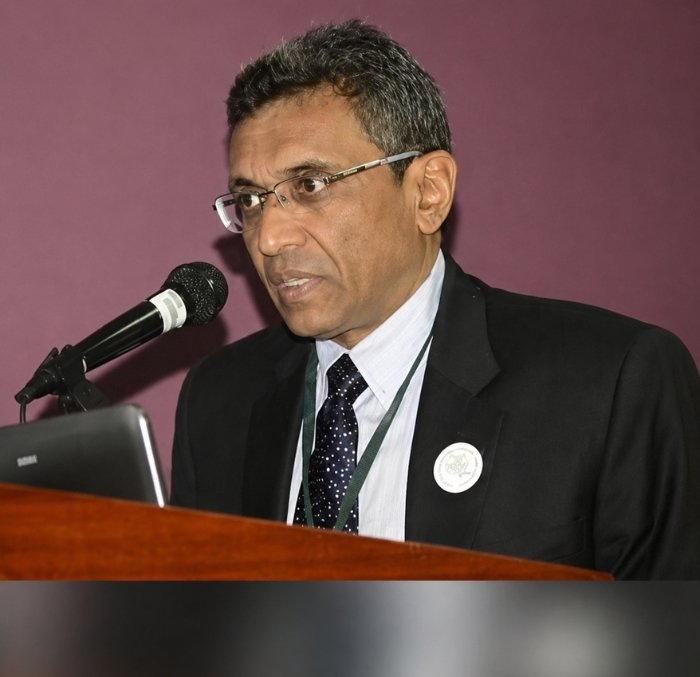
Meet Varicose Veins Specialist in Ahmedabad
Dr. Malay Patel has been in practice as a vascular and endovascular surgeon since 1991, with phlebology (the study and treatment of venous disease) as a core focus of his work for over two decades. He is currently attached to Apollo Hospital and SVP Hospital in Ahmedabad, and previously served as Assistant Professor of Vascular Surgery at Sheth V.S. General Hospital and Sheth K.M. School of Post-Graduate Medicine and Research from 2007 to 2018.
His work in venous disease has been recognized internationally: he was Founding President of the Venous Association of India (2007–2009), served on the executive committee of the International Union of Phlebology from 2013 to 2021, including terms as Vice-President and Assistant General Secretary, and was President of the Vascular Society of India from 2003 to 2005. He has served as a peer reviewer for the journal Phlebology since 2013 and for the European Journal of Vascular and Endovascular Surgery since 2008, a role that involves evaluating other surgeons’ published research on venous and vascular conditions. He is currently also an active peer reviewer for the Journal of Vascular Surgery – Venous and Lymphatic Disorders, the highest-indexed journal in vascular and endovascular surgery.
His practice, First Choice Vascular, evaluates varicose veins using ultrasound as standard and offers ultrasound-guided chemical endoablation with foamed sclerosants, which is among the least invasive minimally invasive procedures and is applicable to all types of superficial venous anatomy. Multiple sessions and multiple follow-ups ensure that all superficial venous reflux is controlled.
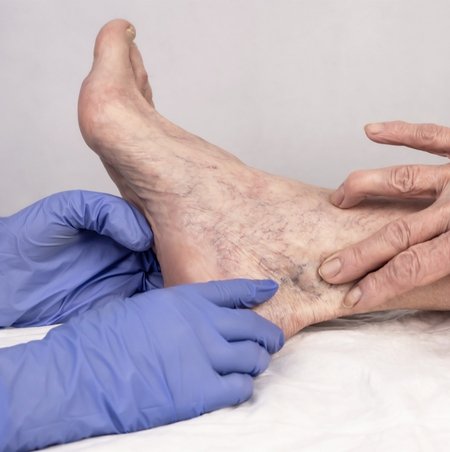
Foam Sclerotherapy & Varicose Vein Treatment in Ahmedabad
Varicose vein treatment today rarely requires an operation. Not every varicose vein needs surgery, and not every vein needs the same approach. Depending on what the ultrasound shows, treatment may involve foam sclerotherapy, compression, or in select cases, a surgical option, each explained here so you know what to expect.
Sclerotherapy – Ultrasound-Guided Chemical Endoablation
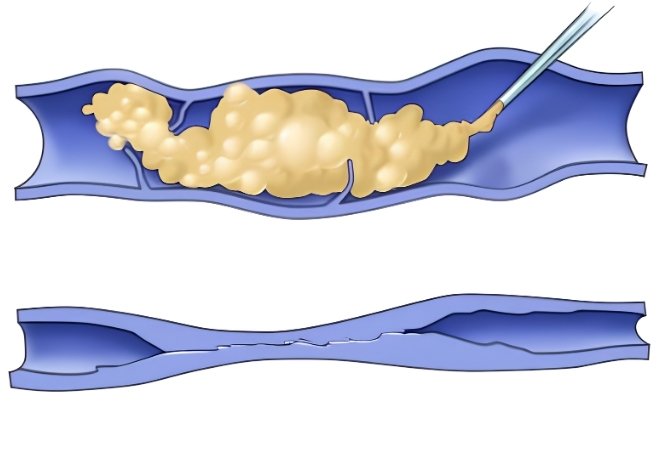
Foam sclerosants are injected under real-time ultrasound guidance to collapse veins of every size – truncal veins, varicose veins, reticular veins, and spider veins, within a single technique. It covers the full spectrum of venous disease, including underlying varicosities and venous ulcers, with no tumescent fluid and no anesthesia required.
Compression Therapy for Varicose Veins
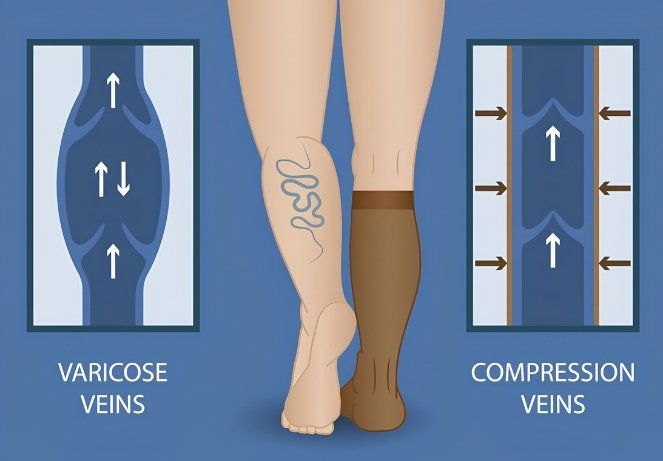
Elastic compression available in short-stretch and long-stretch forms, along with layered compression bandaging, compression wraps, and mechanical pressure devices, applies graduated pressure to support venous return. Used alongside sclerotherapy or on its own for milder cases, during pregnancy, or as ongoing maintenance.
Surgical Therapy (If Needed)
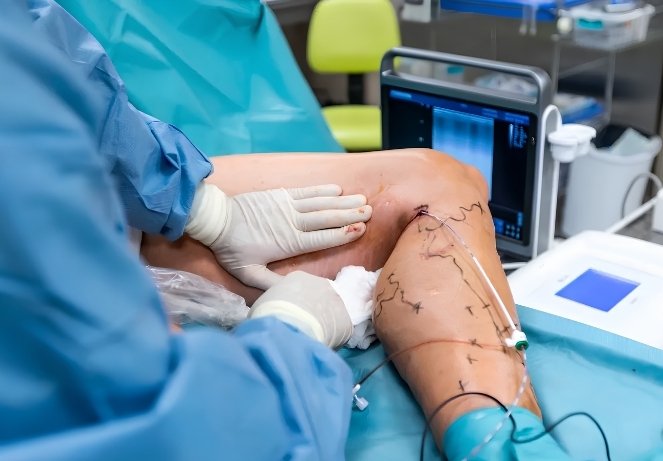
Reserved for specific situations where sclerotherapy and compression alone do not adequately control the reflux, such as certain recurrent presentations or complex vein architecture. Used selectively as part of the overall treatment plan rather than as a routine first step.
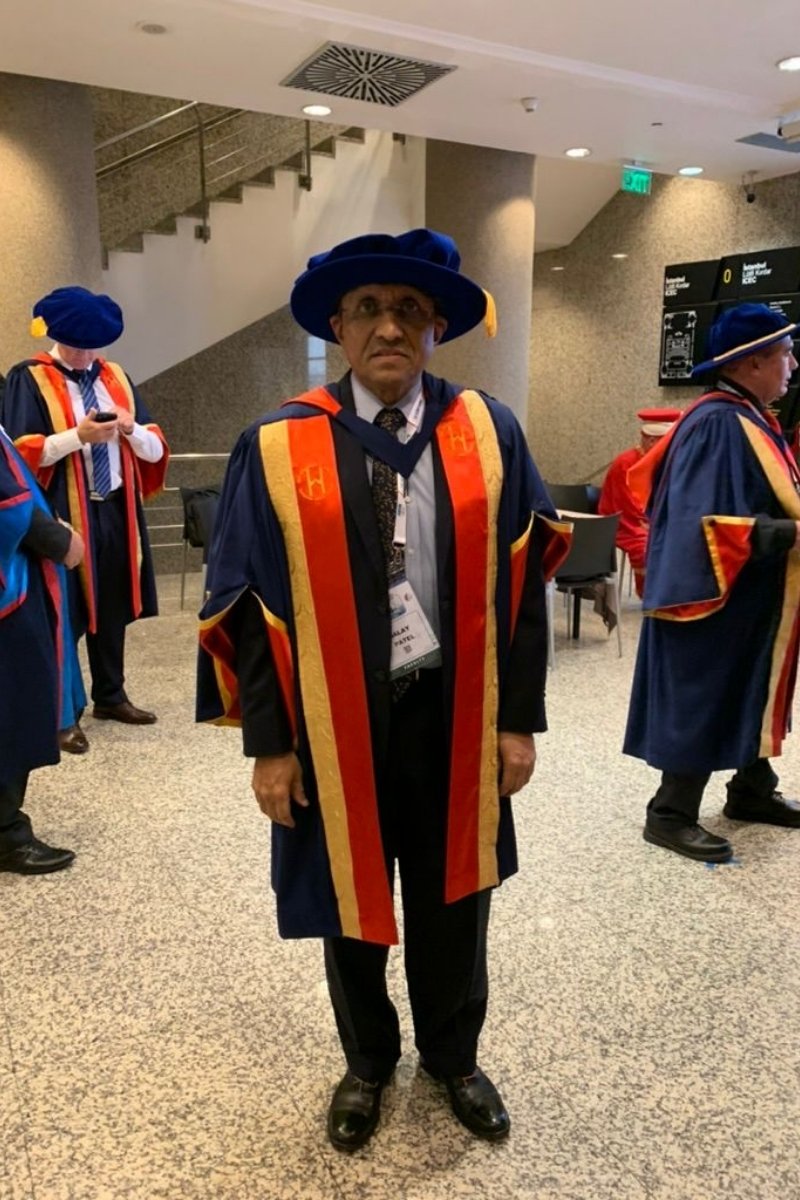
Varicose Vein Specialist in Ahmedabad: Why Experience in Phlebology Matters
Varicose vein treatment sits at the intersection of two disciplines – vascular surgery and phlebology, the focused study of venous disease and not every vascular surgeon treats a high volume of venous cases as a primary part of their practice. Dr. Malay Patel has treated varicose veins and related venous conditions in Ahmedabad since 1991, with phlebology forming a dedicated part of his surgical practice for over two decades.
01. Decades Focused on Venous Disease
Since 1991, phlebology has run alongside his broader vascular and endovascular surgery practice, rather than being treated as a minor part of general vascular work. This gives him a wide reference point for cases that don't follow the standard pattern, recurrent veins, multi-territory reflux, or ulcers unresponsive to compression.
02. Founding President, Venous Association of India
From 2007 to 2009, he led the body set up specifically for venous disease in India, distinct from his earlier presidency of the broader Vascular Society of India (2003–2005). Founding a dedicated venous society reflects a career focus narrower and deeper than general vascular practice.
03. Executive Committee, International Union of Phlebology
Between 2013 and 2021, he held committee roles including Vice-President and Assistant General Secretary at the IUP, working with phlebologists from other countries to set shared clinical positions, a level of involvement distinct from attending international meetings as a delegate.
04. Peer Reviewer for International Journals
Since 2008 for the European Journal of Vascular and Endovascular Surgery, since 2013 for Phlebology, and currently for the Journal of Vascular Surgery – Venous and Lymphatic Disorders, the highest-indexed journal in vascular and endovascular surgery, he has reviewed the evidence behind new venous techniques before publication, requiring direct engagement with emerging technique comparisons and outcome data.
Advanced Interventions. Safer Outcomes.
Answers to Your Most Common Questions
Will I need surgery?
Most cases are managed with ultrasound-guided foam sclerotherapy rather than surgery, since it applies to superficial venous anatomy regardless of vein size or shape. Whether surgery is needed at all depends on your specific ultrasound findings, this is determined from your scan, not assumed in advance.
Can varicose veins come back after treatment?
The specific vein that’s treated and confirmed closed on follow-up ultrasound does not typically reopen. However, other veins in the same leg can develop reflux over subsequent years, which is why periodic follow-up is useful even after successful treatment.
Can I delay treatment?
If there’s no skin change, ulcer, or significant swelling, delaying treatment by some months is medically reasonable and won’t cause harm in most cases. If skin changes or an ulcer are already present, delay allows the underlying pressure to continue damaging the skin, so earlier treatment is advised.
Is the procedure painful?
Foam sclerotherapy is done under ultrasound guidance without incisions and typically without local anesthesia; patients usually describe brief needle sensation at each injection point rather than significant pain. Some bruising and tightness along the treated vein is expected for one to two weeks afterward.
Will I need to take time off work?
No. You can return to work the same day the procedure is done. Jobs involving prolonged standing or heavy lifting are typically resumed after about a week, depending on the extent of the session.
Have More Questions? Fill Out Our Quick Form and Get Answers
If your veins are changing, causing swelling, or affecting your skin, an ultrasound will tell you more in twenty minutes than months of watching and waiting will.