
AV Fistula Surgery for Dialysis in Ahmedabad
Understanding AV Fistula Surgery
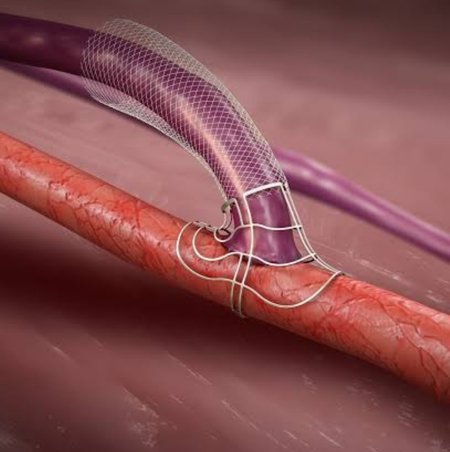
Hemodialysis requires removing blood from the body, filtering it through a dialysis machine, and returning it, a process that needs to happen repeatedly and reliably, which ordinary veins aren't built to handle. An AV fistula solves this by surgically joining an artery directly to a vein, usually at the wrist or elbow. The higher pressure and blood flow from the artery causes the vein to gradually thicken and widen over several weeks to months, a process called maturation, until it can tolerate the repeated large-bore needle insertions dialysis requires.
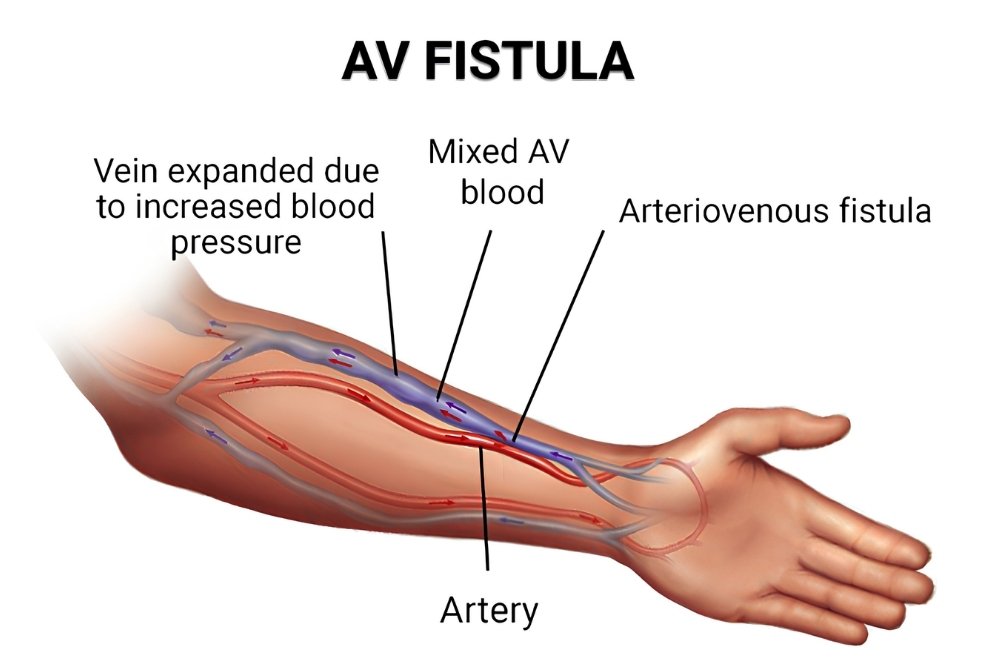
What Is AV Fistula Surgery?
An AV fistula is generally preferred over other access types because it uses the patient’s own vessels, tends to last longer, and carries a lower infection risk than a catheter or synthetic graft. However, it takes time to mature, typically six to twelve weeks, sometimes longer which is why it’s created well before dialysis is expected to start, whenever that timing can be planned.
Not everyone has veins suitable for a fistula at the standard locations. Where vein quality, size, or a prior failed attempt makes a straightforward fistula unsuitable, alternatives include an AV graft (a synthetic tube connecting artery to vein) or, in specific vein patterns, a fistula created at a different site. This is determined through vessel mapping before surgery, not decided at the time of the procedure itself. Once created and matured, a fistula still requires ongoing monitoring, since narrowing (stenosis), clotting, or other problems can develop over its lifespan and reduce its ability to support effective dialysis if not caught and addressed.
When Should You Consult a Vascular Surgeon?
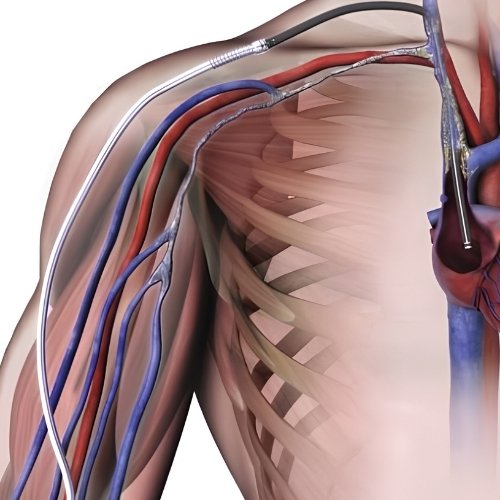
Preparing for Dialysis
Patients approaching the need for dialysis should plan vascular access well in advance.
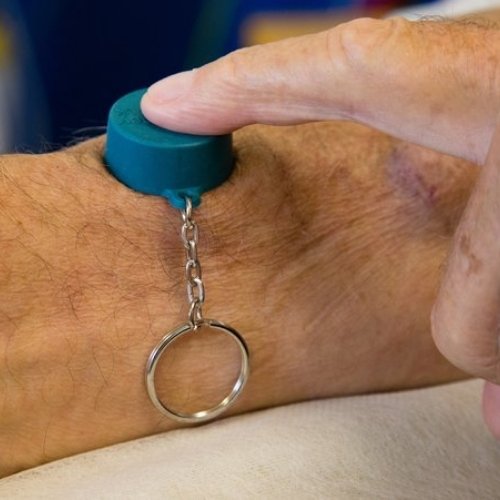
Repeated Catheter Infections
Frequent infections may indicate the need for a safer, long-term vascular access solution.
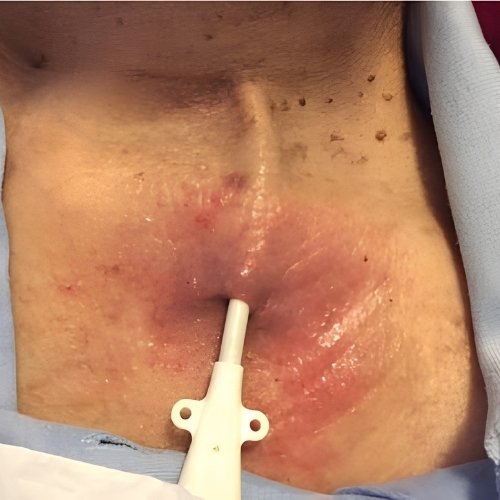
Existing Access Problems
Difficulty using a current fistula, graft, or catheter requires prompt specialist evaluation.
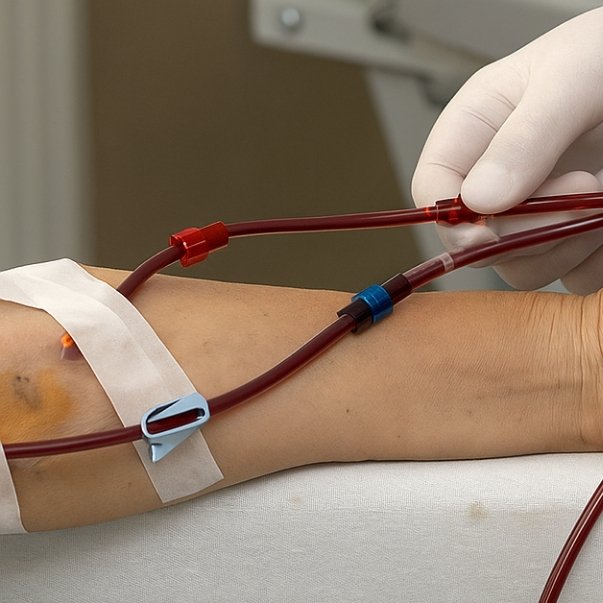
Poor Dialysis Flow
Reduced blood flow during dialysis may affect treatment quality and should be investigated.
Types of Dialysis Access
Your vascular surgeon will recommend the most suitable dialysis access based on your blood vessels, overall health, and long-term dialysis needs.
AV Fistula
Created by connecting an artery to a vein, it is the preferred option for long-term dialysis due to its durability.
AV Graft
A soft synthetic tube connects an artery and vein when natural blood vessels are not suitable for a fistula.
Dialysis Catheter
A temporary tube placed in a large vein provides immediate dialysis access when urgent treatment is required.
Hybrid Access Options
In selected cases, alternative or revised access procedures may be recommended to maintain effective dialysis treatment.
- AV Fistula
Created by connecting an artery to a vein, it is the preferred option for long-term dialysis due to its durability.
- AV Graft
A soft synthetic tube connects an artery and vein when natural blood vessels are not suitable for a fistula.
- Dialysis Catheter
A temporary tube placed in a large vein provides immediate dialysis access when urgent treatment is required.
- Hybrid Access Options
In selected cases, alternative or revised access procedures may be recommended to maintain effective dialysis treatment.
Caring for Your AV Fistula
Proper care of your AV fistula helps maintain healthy blood flow, reduces complications, and supports effective dialysis for years to come.
Check Blood Flow Daily
Feel for the gentle vibration, or "thrill," each day and report any changes immediately.
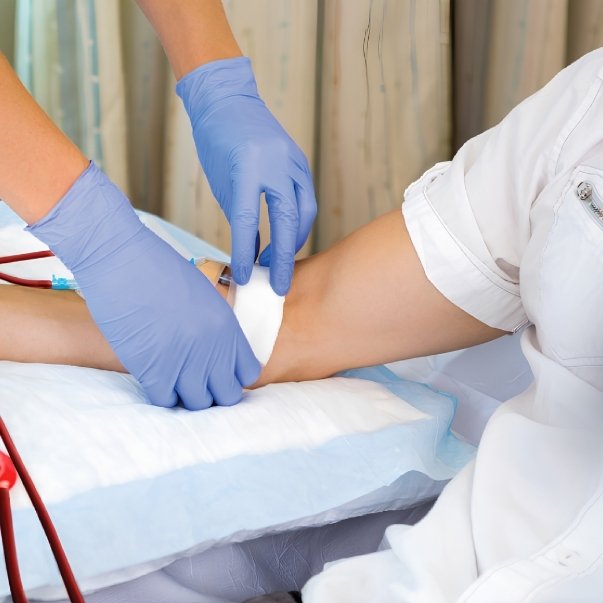
Keep the Area Clean
Maintain good hygiene around the access site to reduce the risk of infection.

Protect the Access Arm
Avoid blood pressure checks, blood draws, or tight clothing on the arm with the fistula.

Avoid Heavy Lifting
Limit strenuous activities and heavy lifting until your vascular surgeon advises it is safe.
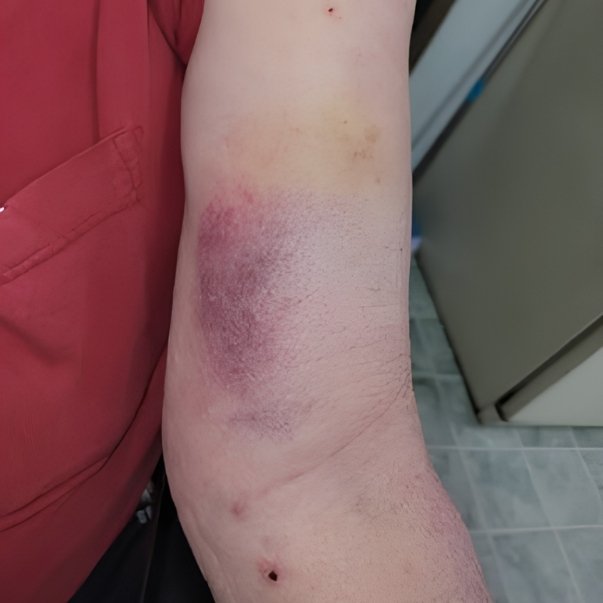
Watch for Warning Signs
Seek medical attention if you notice swelling, redness, pain, bleeding, or loss of the thrill.
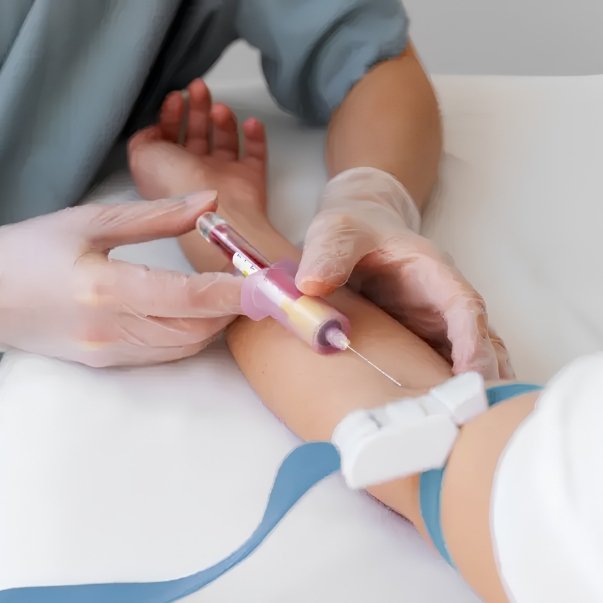
Attend Regular Follow-Ups
Routine check-ups help ensure your AV fistula remains healthy and continues to function effectively.
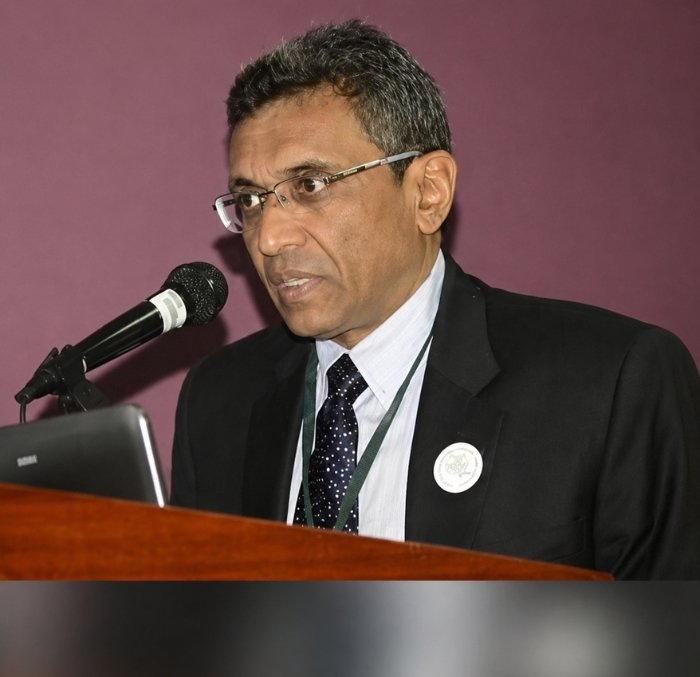
Meet AV Fistula Specialist in Ahmedabad
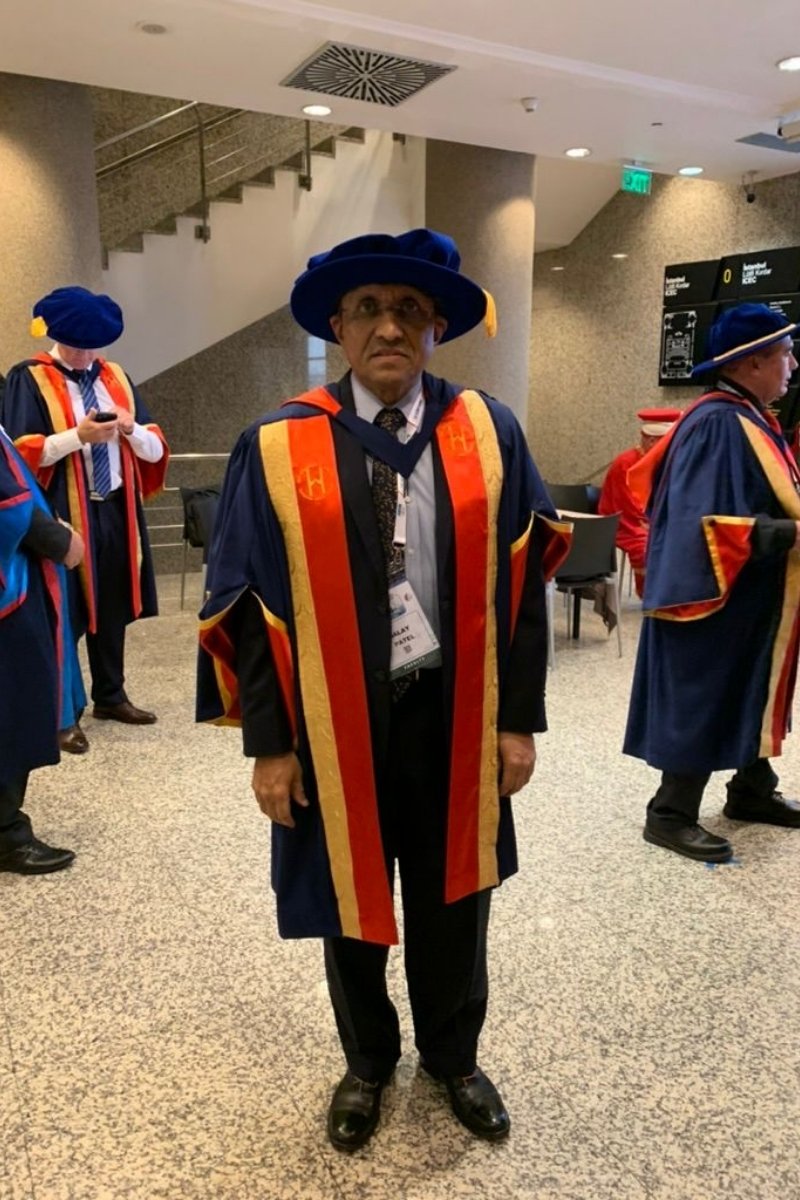
Dr. Malay Patel has practiced vascular and endovascular surgery in Ahmedabad since 1991, with vascular access surgery for dialysis, including AV fistula creation, graft placement, and access salvage procedures, as part of his broader vascular surgery practice. He is currently attached to Apollo Hospital and SVP Hospital in Ahmedabad, and previously served as Assistant Professor of Vascular Surgery at Sheth V.S. General Hospital and Sheth K.M. School of Post-Graduate Medicine and Research from 2007 to 2018.
His broader standing in vascular surgery includes serving as President of the Vascular Society of India from 2003 to 2005. He has served as a peer reviewer for the journal Phlebology since 2013 and for the European Journal of Vascular and Endovascular Surgery since 2008, and is currently also an active peer reviewer for the Journal of Vascular Surgery – Venous and Lymphatic Disorders, the highest-indexed journal in vascular and endovascular surgery.
His practice, First Choice Vascular, works alongside nephrology teams in Ahmedabad to plan and create vascular access ahead of anticipated dialysis need, and to evaluate and treat existing fistulas or grafts that develop problems.
Matched to your veins, your timeline, and your dialysis needs.
Vascular access for dialysis is planned around your vessel mapping and your nephrology team’s timeline. Fistula creation is the preferred approach where vein and artery quality allow it, with graft placement and salvage procedures available for cases where a standard fistula isn’t suitable or an existing access needs to be preserved.
AV Fistula Creation
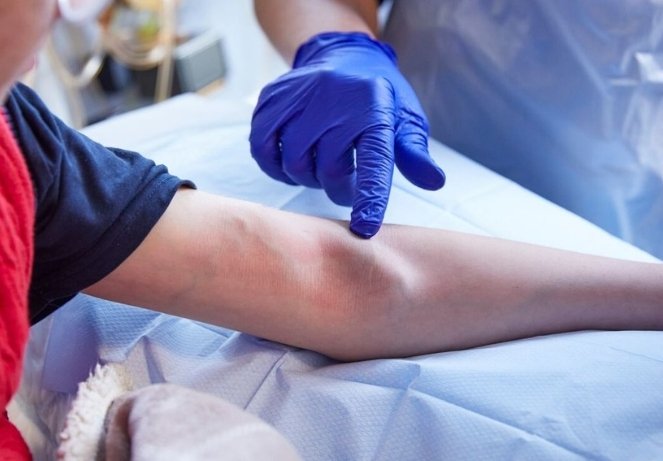
Surgical connection of an artery to a vein, most often at the wrist or elbow, performed under local or regional anesthesia. The preferred access type where vessel anatomy allows, given its durability and lower complication rate over time.
AV Graft Placement
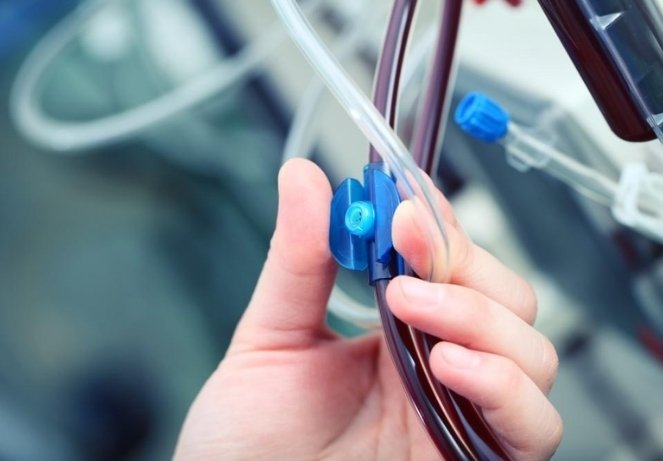
A synthetic tube connecting artery to vein, used when vein quality doesn’t support a standard fistula. Matures faster than a fistula but generally has a shorter overall lifespan and a higher likelihood of needing intervention over time.
Fistula Salvage Procedures
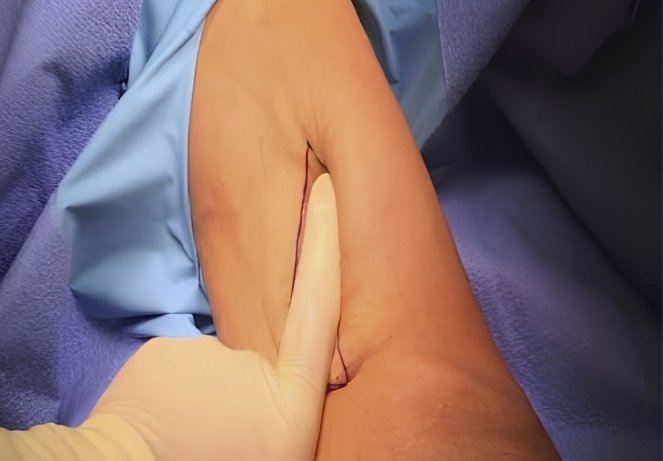
For an existing fistula that isn’t maturing, has narrowed, or has developed a clot, catheter-based or surgical procedures to restore adequate function, aiming to preserve the existing access rather than starting over at a new site.
AV Fistula Specialist in Ahmedabad: Why Working With Your Nephrology Team Matters
Vascular access surgery works best when it’s planned as part of a patient’s overall kidney care, not as a separate, disconnected procedure requested only once dialysis becomes urgent.
01. Coordinated Planning With Nephrology
Access planning is done in direct communication with your nephrology team's timeline, aiming to have a mature fistula ready before dialysis is urgently needed rather than after.
02. Both Fistula Creation and Salvage Experience
Experience spans creating new access as well as evaluating and salvaging fistulas or grafts that develop narrowing, clotting, or maturation problems, rather than treating a failed access as an automatic reason to start over.
03. Vein Mapping as a Standard Step
Every access decision is based on detailed ultrasound mapping of the specific patient's vessels, rather than defaulting to one location without confirming it's the best available option.
04. Decades of Vascular Surgery Practice
Vascular access surgery draws on the same vessel-handling experience applied across arterial and venous surgery since 1991, relevant to managing the range of complications that can arise with dialysis access over time.
Advanced Interventions. Safer Outcomes.
Answers to Your Most Common Questions
When should I have my fistula created relative to starting dialysis?
Ideally several months before dialysis is expected to begin, since fistulas typically take six to twelve weeks to mature, and delays or the need for a salvage procedure can extend that timeline. Earlier planning avoids relying on a temporary catheter.
Will the surgery hurt?
Fistula creation is usually done under local or regional anesthesia, and most patients describe manageable discomfort rather than significant pain, with recovery over a few days before the arm returns to normal use.
What if my fistula doesn't mature properly?
This isn’t uncommon, and it’s monitored for specifically during the maturation period. If maturation is inadequate, a catheter-based procedure can often correct a narrowing and allow it to mature successfully, without needing to start over.
Can I still use my arm normally with a fistula?
Yes, for most daily activities. Some precautions are advised, such as avoiding tight clothing, blood pressure cuffs, or blood draws on that arm, to protect the access.
How long does a fistula last?
Well-functioning fistulas can last for years, though narrowing or other problems can develop over time and are managed as they arise through monitoring and, if needed, salvage procedures.
What if I don't have suitable veins for a fistula?
An AV graft using synthetic material is an alternative when vein quality doesn’t support a standard fistula, determined through vessel mapping rather than assumed in advance.
Have More Questions? Fill Out Our Quick Form and Get Answers
If dialysis is anticipated in your near future, planning your vascular access early gives it the best chance to be ready when you need it.