Endovascular Treatment in Ahmedabad
Advanced Minimally Invasive Vascular Care by Dr. Malay Patel
Endovascular treatment refers to a group of procedures that treat blood vessel problems from inside the vessel, using catheters and wires passed through a small puncture in the skin, rather than through an open surgical incision. It has changed how many vascular conditions - from blocked leg arteries to aortic aneurysms to varicose veins are treated, often allowing patients to walk out the same day. Dr. Malay Patel performs endovascular treatment in Ahmedabad across a range of vascular and venous conditions, choosing this approach where the anatomy makes it suitable and appropriate.
Conditions commonly treated endovascularly include peripheral artery disease (angioplasty, stenting, atherectomy), aortic aneurysms (endovascular aneurysm repair), carotid artery disease (carotid artery stenting), varicose veins (ultrasound-guided foam sclerotherapy), and deep vein thrombosis (catheter-directed clot removal).
What Is Endovascular Treatment?
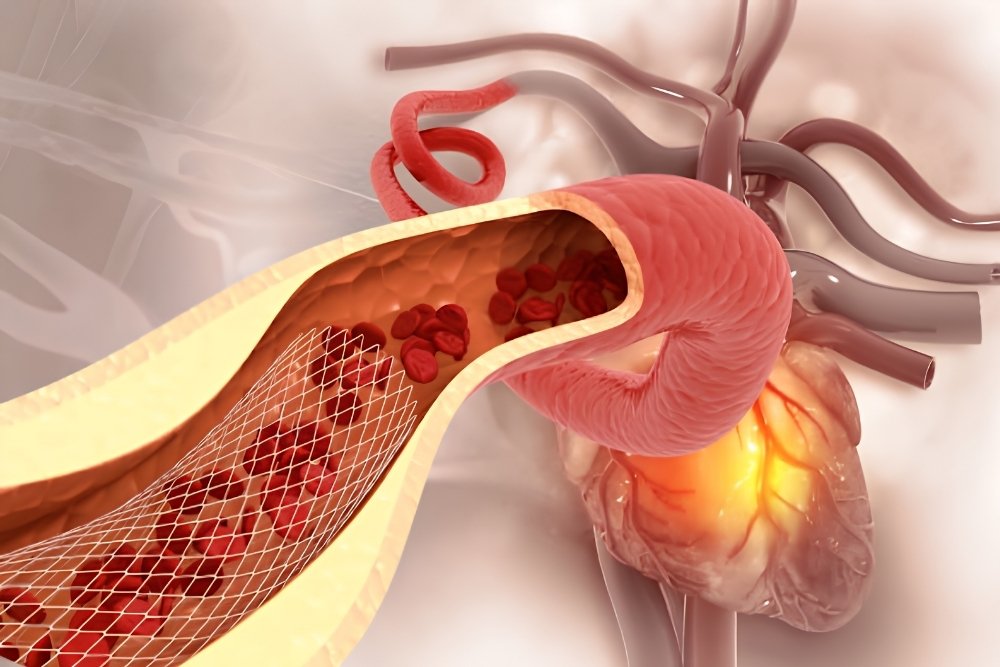
Endovascular treatment works by accessing the blood vessel system through a small puncture, usually in the groin, wrist, or another accessible artery or vein, and then guiding thin catheters and wires to the site of the problem using real-time imaging. From there, a range of tools can be used depending on the condition: balloons to open a narrowed artery, stents or stent-grafts to hold a vessel open or reinforce a weakened wall, devices to remove plaque or clot, or catheters to deliver medication or a closure agent directly to a faulty vein.
The key advantage over open surgery is that the vessel is treated from inside without cutting through skin, muscle, and surrounding tissue to reach it directly. This generally means less pain after the procedure, a shorter hospital stay often none at all and a faster return to normal activity
Conditions Treated with Endovascular Procedures
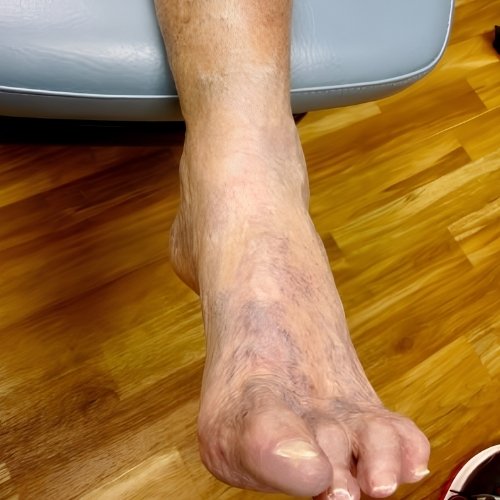
Restores blood flow to narrowed or blocked arteries supplying the legs and feet.
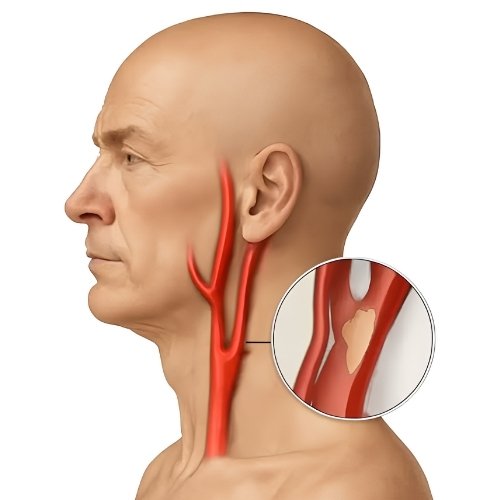
Improves blood flow to the brain and helps reduce the risk of stroke.
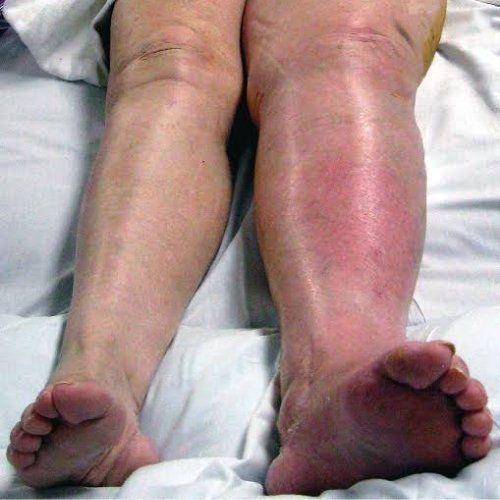
Selected patients may benefit from catheter-based treatments to remove clots and restore healthy blood flow.
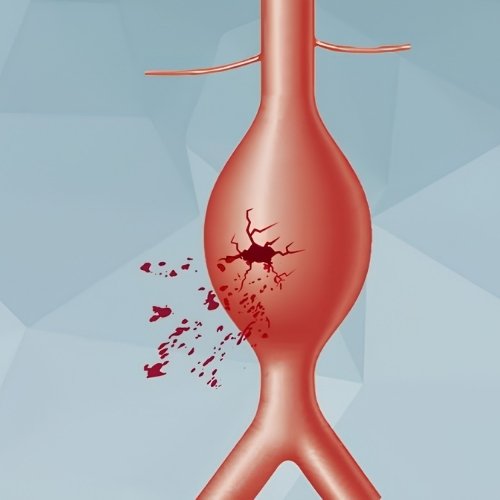
Reinforces weakened sections of the aorta using minimally invasive stent graft technology.
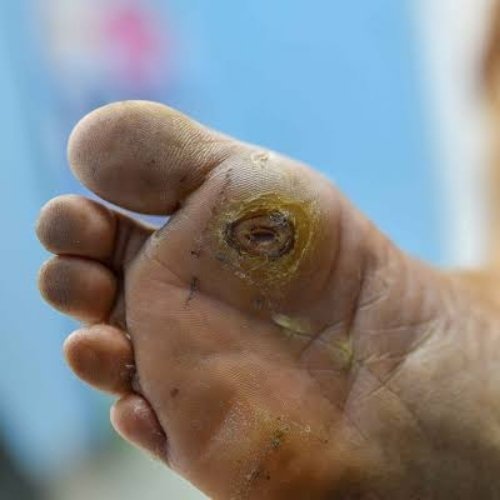
Restoring circulation promotes wound healing, relieves pain, and helps reduce the risk of amputation.
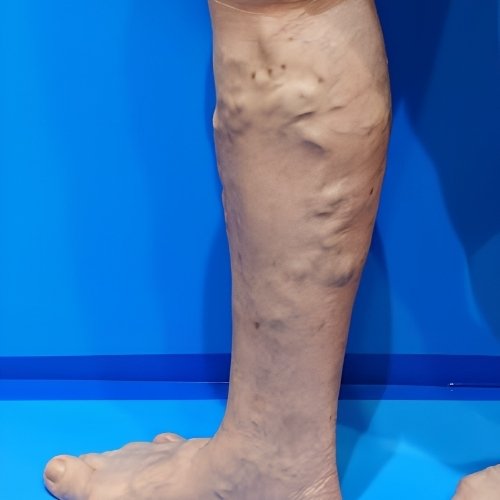
Modern endovenous procedures effectively close damaged veins, relieve symptoms, and improve leg health with minimal downtime.
When Should You Consult a Vascular Surgeon?
Consider seeking expert evaluation if you experience:
Persistent Leg Pain
Pain while walking or at rest may indicate reduced blood flow that requires specialist evaluation.
Non-Healing Wounds
Slow-healing ulcers or foot wounds can be a sign of poor circulation needing timely treatment.
Blocked Arteries
Narrowed or blocked arteries causing pain, numbness, or weakness should be assessed without delay.
Need for Minimally Invasive Treatment
If you've been advised to undergo vascular surgery, an endovascular approach may offer a less invasive alternative.
- Persistent Leg Pain
Pain while walking or at rest may indicate reduced blood flow that requires specialist evaluation.
- Non-Healing Wounds
Slow-healing ulcers or foot wounds can be a sign of poor circulation needing timely treatment.
- Blocked Arteries
Narrowed or blocked arteries causing pain, numbness, or weakness should be assessed without delay.
- Need for Minimally Invasive Treatment
If you've been advised to undergo vascular surgery, an endovascular approach may offer a less invasive alternative.
Benefits of Endovascular Treatment
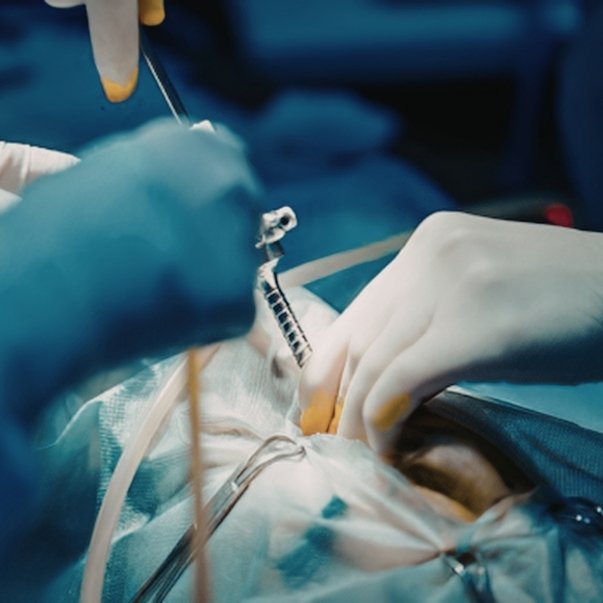
Minimally Invasive
Performed through a small puncture instead of large surgical incisions whenever appropriate.
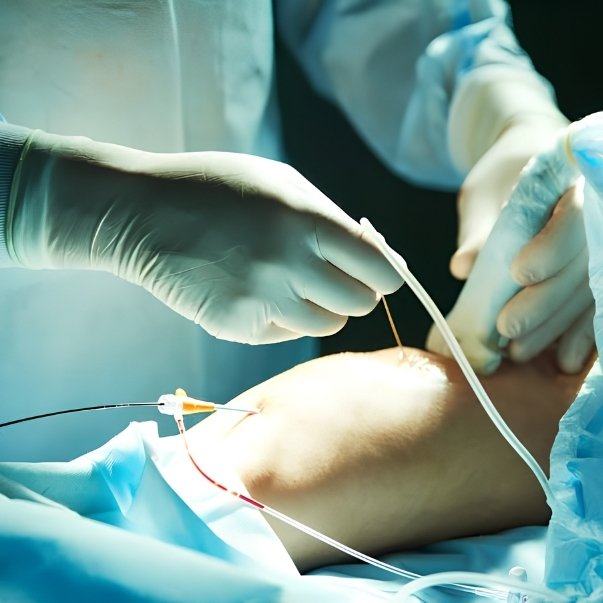
Faster Recovery
Most patients recover more quickly and return to normal activities sooner.
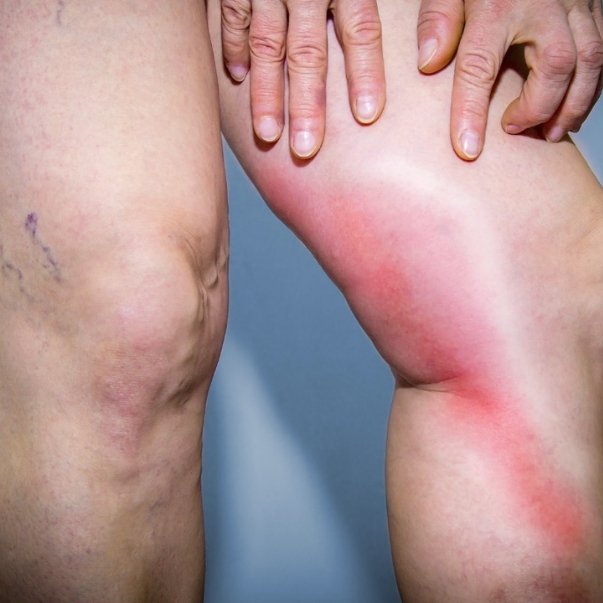
Less Pain
Smaller access sites generally result in reduced discomfort after the procedure.
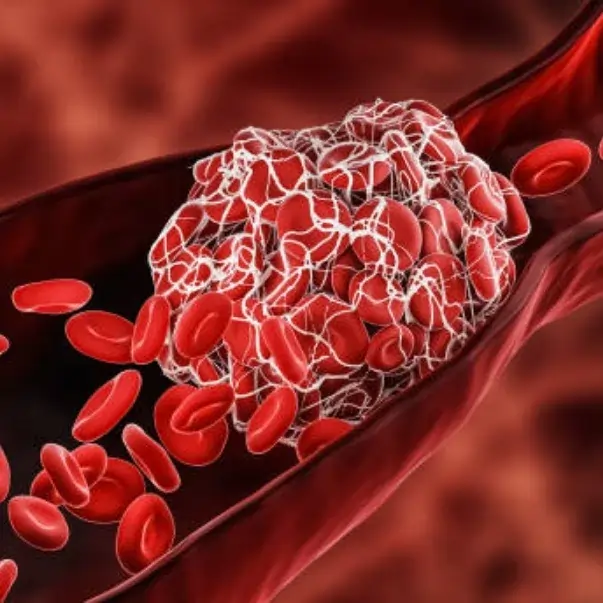
Lower Blood Loss
Minimally invasive techniques typically involve significantly less bleeding than open surgery.

Shorter Hospital Stay
Many patients can be discharged earlier depending on the procedure performed.
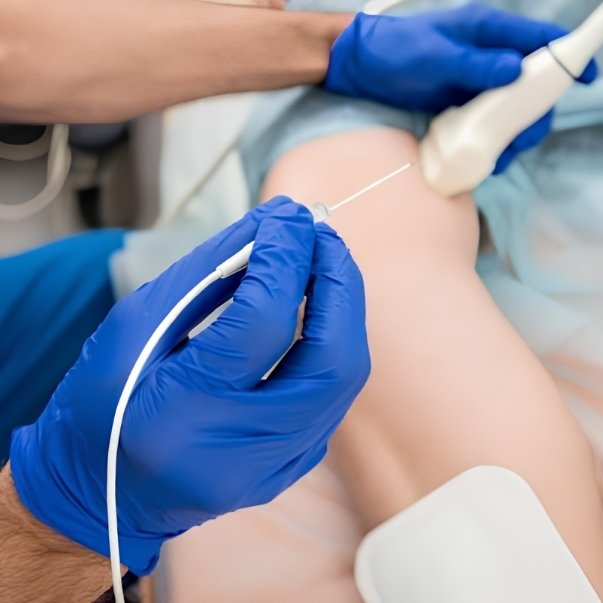
Precise Treatment
Advanced imaging allows accurate navigation and targeted treatment of affected blood vessels.
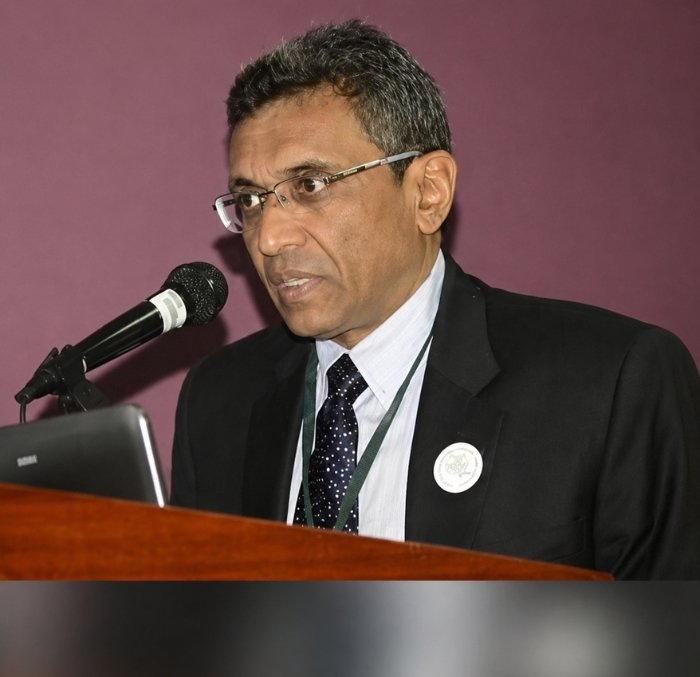
Meet Endovascular Treatment Specialist in Ahmedabad
Dr. Malay Patel has practiced vascular and endovascular surgery in Ahmedabad since 1991, applying catheter-based techniques across peripheral artery disease, aortic aneurysms, carotid artery disease, and venous conditions. He is currently attached to Apollo Hospital and SVP Hospital in Ahmedabad, and previously served as Assistant Professor of Vascular Surgery at Sheth V.S. General Hospital and Sheth K.M. School of Post-Graduate Medicine and Research from 2007 to 2018.
His broader standing in vascular surgery includes serving as President of the Vascular Society of India from 2003 to 2005, and Founding President of the Venous Association of India from 2007 to 2009. He has served as a peer reviewer for the journal Phlebology since 2013 and for the European Journal of Vascular and Endovascular Surgery since 2008, and is currently also an active peer reviewer for the Journal of Vascular Surgery – Venous and Lymphatic Disorders, the highest-indexed journal in vascular and endovascular surgery – a role that requires direct, ongoing engagement with the evidence behind current endovascular techniques.
His practice, First Choice Vascular, offers endovascular treatment across arterial and venous conditions, with open surgical options available for cases where anatomy or clinical circumstances make that the more appropriate choice.
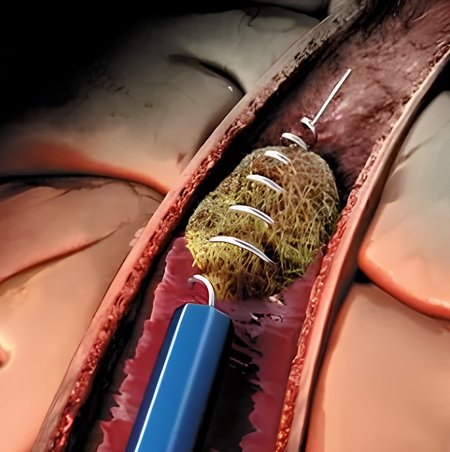
Minimally Invasive Vascular Procedures We Perform
Endovascular treatment is applied across both arterial and venous conditions, from narrowed leg arteries to aortic aneurysms to faulty vein valves. Each procedure below is offered where the vessel’s specific anatomy supports a catheter-based approach, confirmed through imaging rather than assumed from the diagnosis alone.
Angioplasty and Stenting
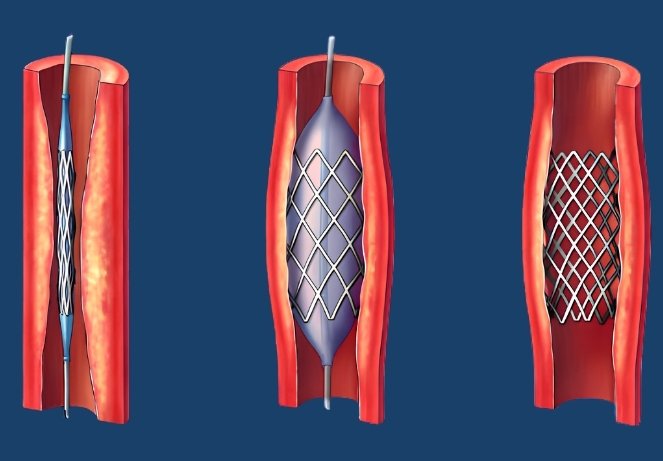
For narrowed or blocked arteries, most commonly in the legs, a balloon opens the vessel from inside, often followed by a stent to hold it open, performed through a small puncture in the groin or elsewhere.
Endovascular Aneurysm Repair (EVAR)
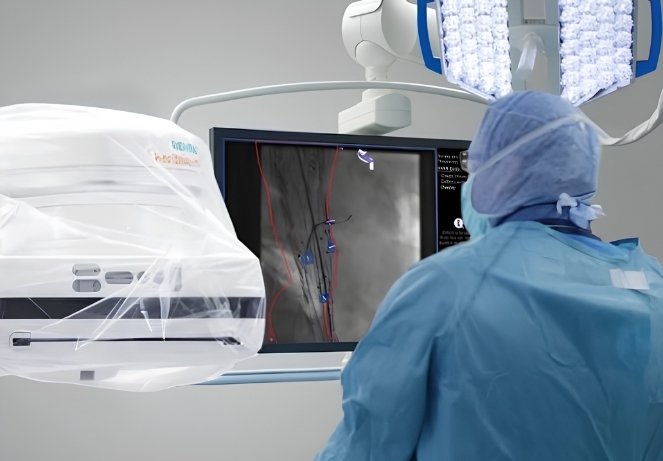
For abdominal or thoracic aortic aneurysms with suitable anatomy, a stent-graft is placed inside the aorta through the vessels in the groin, reinforcing the weakened section from within without an open incision.
Carotid Artery Stenting
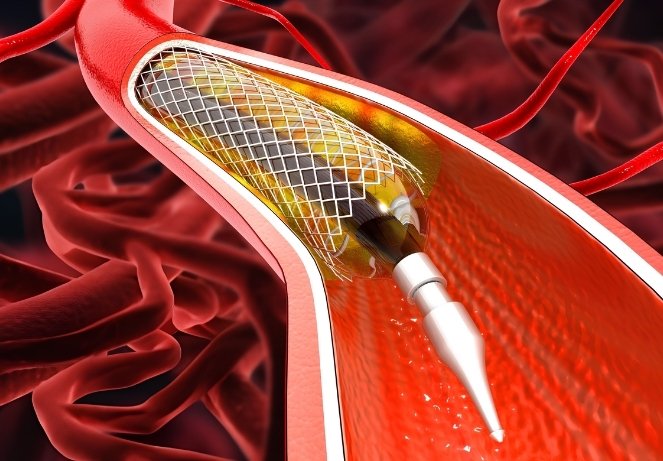
For narrowed neck arteries with anatomy suited to a catheter-based approach, a stent is placed to hold the artery open, reducing stroke risk without open surgery.
Ultrasound-Guided Chemical Endoablation with Foamed Sclerosants
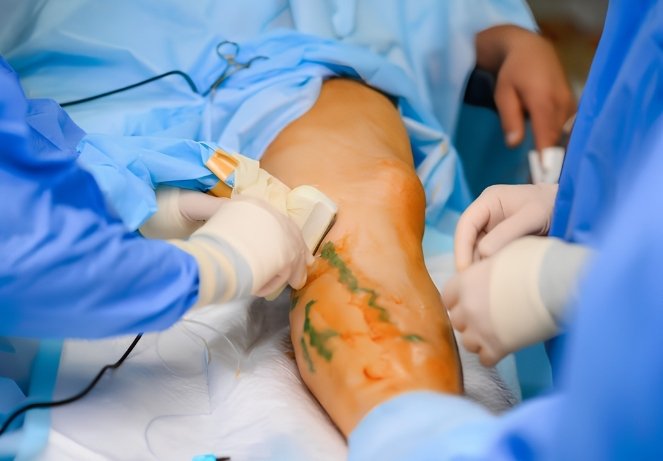
For varicose veins, foam sclerosant is injected under real-time ultrasound guidance to collapse the faulty vein, applicable to truncal, varicose, reticular, and spider veins, without incisions, tumescent fluid, or anesthesia.
Catheter-Directed Thrombolysis and Thrombectomy
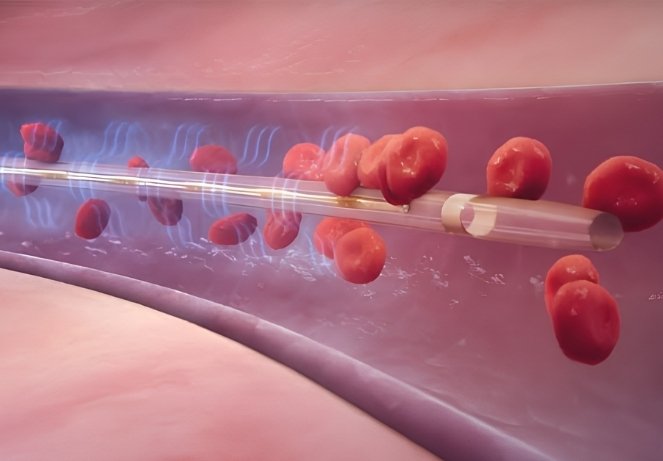
For extensive deep vein thrombosis caught early, a catheter delivers clot-dissolving medication directly to the clot or removes it mechanically, reducing long-term vein damage.
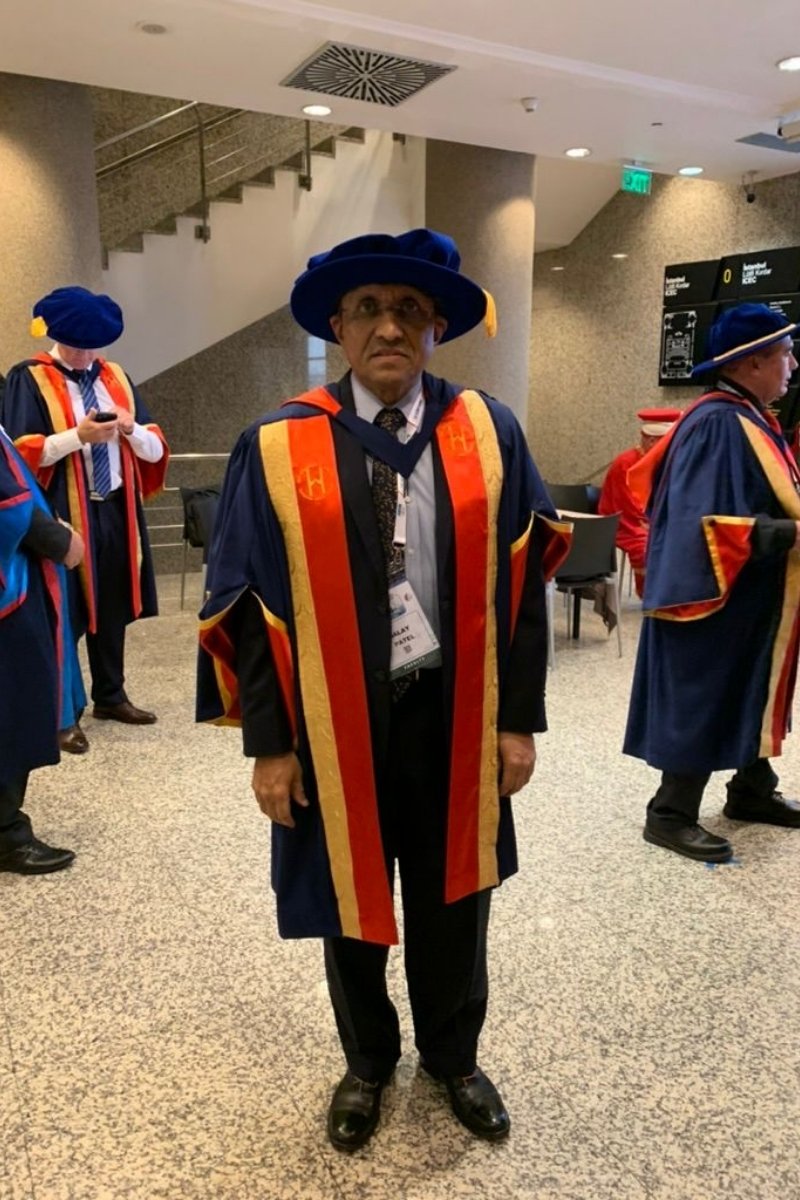
Endovascular Specialist in Ahmedabad: Why Combined Surgical and Catheter-Based Training Matters
Offering endovascular treatment credibly requires being equally capable of open surgery, since the two approaches need to be compared honestly for each patient rather than one being recommended by default because it’s the only option available.
01. Both Surgical and Endovascular Training
Practicing across open surgery and catheter-based treatment since 1991 means the recommendation is based on which approach suits the specific anatomy, not on which technique is the only one on offer.
02. Experience Across Multiple Vascular Territories
Endovascular treatment is applied across arterial disease (PAD, aortic aneurysm, carotid disease) and venous disease (varicose veins, DVT), rather than being limited to a single vessel territory.
03. Peer Reviewer for International Journals
Reviewing for the European Journal of Vascular and Endovascular Surgery since 2008 and currently for the Journal of Vascular Surgery - Venous and Lymphatic Disorders, the highest-indexed journal in vascular and endovascular surgery, involves direct engagement with the evidence behind endovascular techniques as they develop.
04. Anatomy-Led Decision-Making
Suitability for an endovascular approach is assessed directly from imaging for each patient, with open surgery discussed as the alternative where anatomy doesn't support a catheter-based option.
Advanced Interventions. Safer Outcomes.
Answers to Your Most Common Questions
Is endovascular treatment always better than surgery?
Not necessarily. It generally means a shorter recovery and less procedural stress on the body, but open surgery can offer a more durable result in some situations, particularly for younger patients or specific anatomical patterns. The right choice depends on your specific case.
What anesthesia is used?
This varies by procedure. Many endovascular procedures are done under local or regional anesthesia, though some, particularly more complex aortic or carotid procedures, may involve general anesthesia depending on the specific case.
How long is the recovery?
Generally shorter than the equivalent open surgical procedure, often a same-day or overnight stay, with return to normal activity within days to a couple of weeks, depending on the procedure and condition being treated.
Will I need surgery later even after an endovascular procedure?
For most patients, no. However, certain conditions require periodic imaging follow-up, and in a smaller number of cases, additional treatment may be needed later if the original repair or treated vessel changes over time.
Can every vascular condition be treated endovascularly?
No. Suitability depends on the specific vessel’s size, shape, and location. Where the anatomy doesn’t support an endovascular approach, open surgery remains the appropriate option, and this will be explained clearly based on your imaging.
Have More Questions? Fill Out Our Quick Form and Get Answers
If you've been told you need a vascular procedure, it's worth specifically asking whether an endovascular option applies to your case.