
Diabetic Foot & Limb Salvage in Ahmedabad
Understanding Diabetic Foot Problems
Diabetic foot problems develop when long-standing high blood sugar damages the nerves and blood vessels of the foot, allowing small injuries to go unnoticed and heal poorly. Left untreated, a minor wound can progress to infection, tissue loss, and in severe cases, amputation. Dr. Malay Patel evaluates and treats diabetic foot conditions in Ahmedabad, with a specific focus on limb salvage- restoring blood flow and controlling infection to avoid amputation wherever the tissue can still be saved. This requires coordinating vascular treatment (to fix the blood flow problem) with wound and infection management, since treating either alone is often not enough, a wound generally won't heal if blood flow is inadequate, no matter how well it's dressed.
What Are Diabetic Foot Problems?
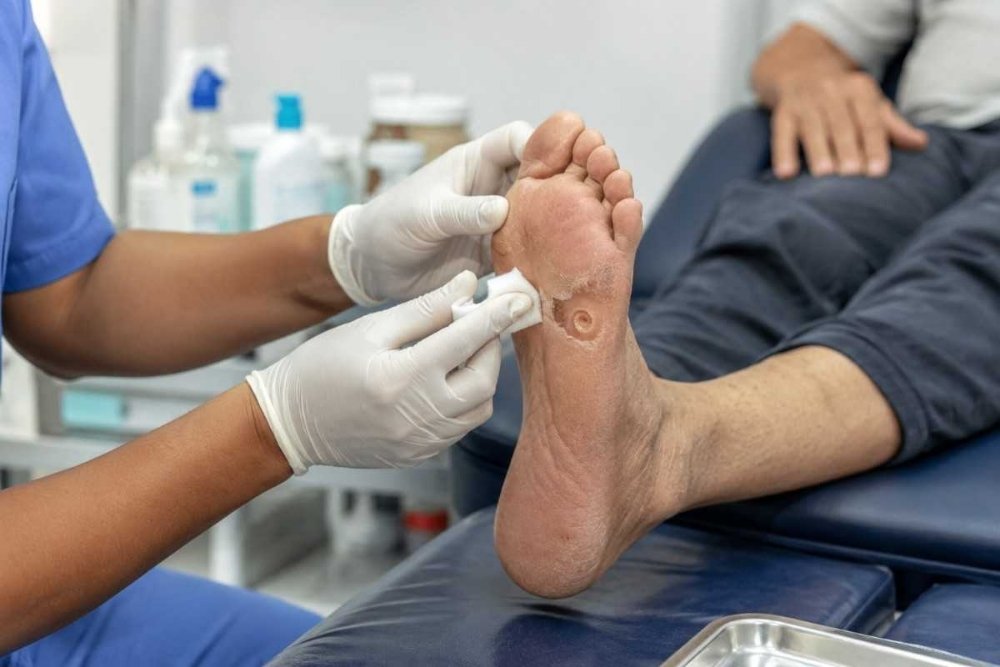
Diabetic foot disease results from two separate effects of long-standing high blood sugar acting together. The first is nerve damage (neuropathy), which reduces sensation in the feet so that cuts, blisters, or pressure injuries can go unnoticed until they’ve already become significant wounds. The second is reduced blood flow from narrowed arteries in the leg (a form of peripheral artery disease), which limits the skin and tissue’s ability to heal even a minor injury and makes fighting off infection harder.
Limb salvage refers to the combined effort of restoring blood flow, clearing infection, and managing the wound in a way that avoids amputation wherever the tissue is still viable and blood flow can be adequately restored. This requires coordinating vascular treatment (to fix the blood flow problem) with wound and infection management, since treating either alone is often not enough, a wound generally won’t heal if blood flow is inadequate, no matter how well it’s dressed.
Symptoms of Diabetic Foot Problems
Foot Ulcers
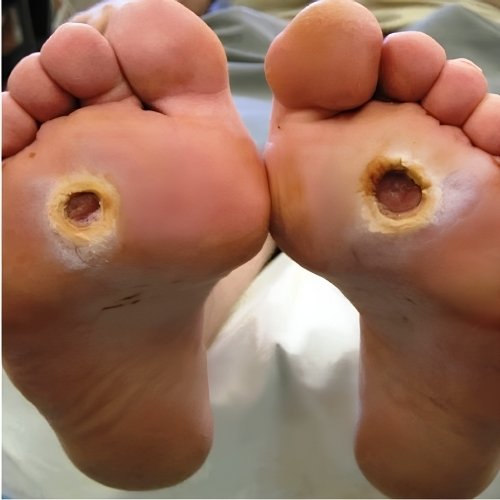
Open sores or wounds that do not heal despite routine care.
Redness
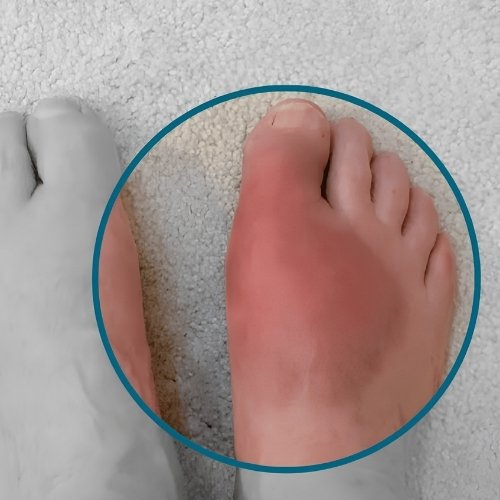
Red or inflamed skin can be an early sign of pressure injury or infection.
Swelling
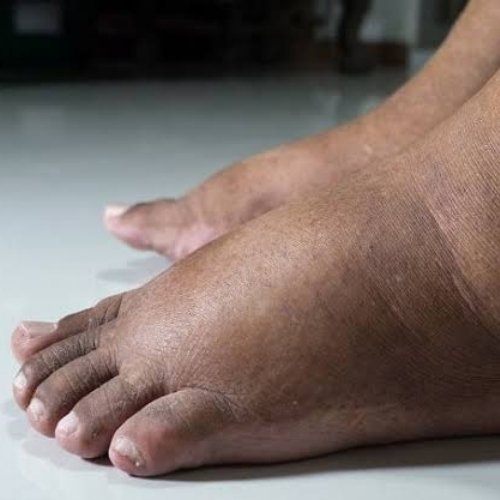
Persistent swelling around the foot or ankle may indicate infection or inflammation.
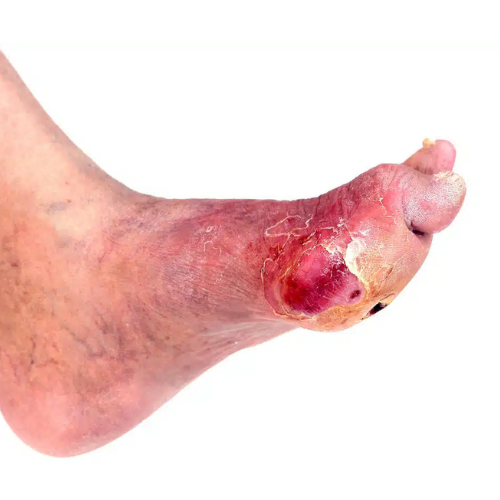
Foot Pain
Pain may develop due to infection, poor circulation, or tissue damage.
Causes and Risk Factors
Several factors contribute to the development of diabetic foot complications.
Diabetic Neuropathy
Nerve damage reduces sensation, making injuries difficult to detect.
Poor Blood Circulation
Blocked leg arteries reduce oxygen supply and delay wound healing.
High Blood Sugar
Poorly controlled diabetes weakens the body's ability to fight infection.
Foot Injuries
Small cuts, blisters, burns, or pressure sores may worsen without being noticed.
- Diabetic Neuropathy
Nerve damage reduces sensation, making injuries difficult to detect.
- Poor Blood Circulation
Blocked leg arteries reduce oxygen supply and delay wound healing.
- High Blood Sugar
Poorly controlled diabetes weakens the body's ability to fight infection.
- Foot Injuries
Small cuts, blisters, burns, or pressure sores may worsen without being noticed.
Complications
Without timely diagnosis and treatment, diabetic foot problems can rapidly progress, increasing the risk of serious complications and limb-threatening conditions.
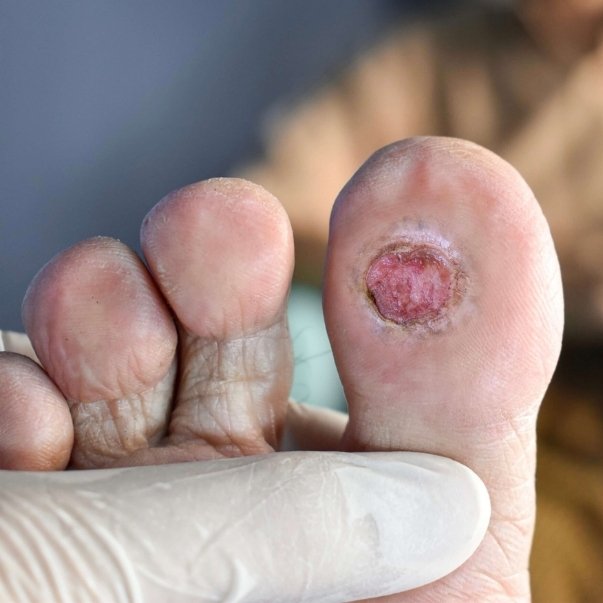
Chronic Foot Ulcers
Untreated wounds may remain open for weeks or months due to poor healing.
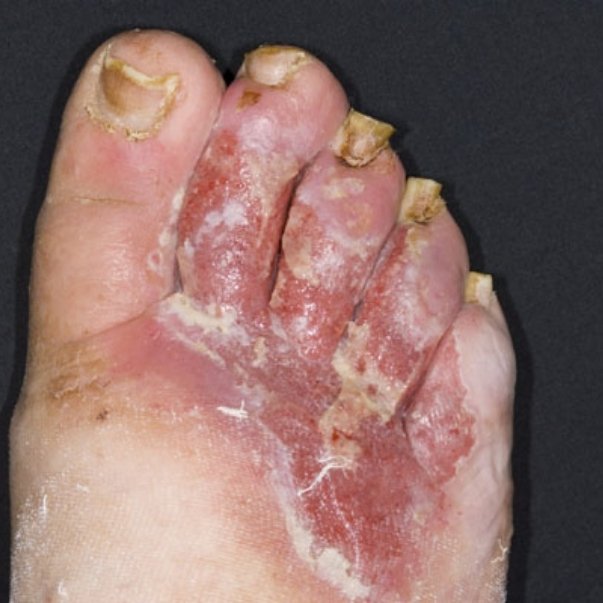
Severe Infections
Bacterial infections can spread quickly into deeper tissues, joints, or bones.
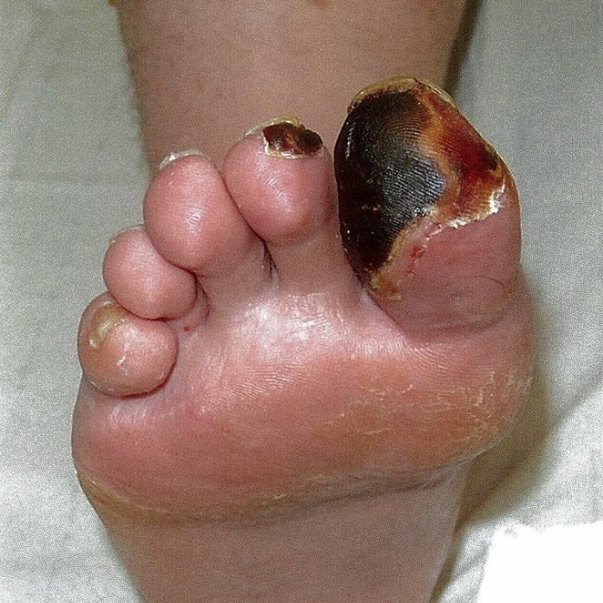
Gangrene
Severely reduced blood supply can cause tissue death and blackened areas of the foot.
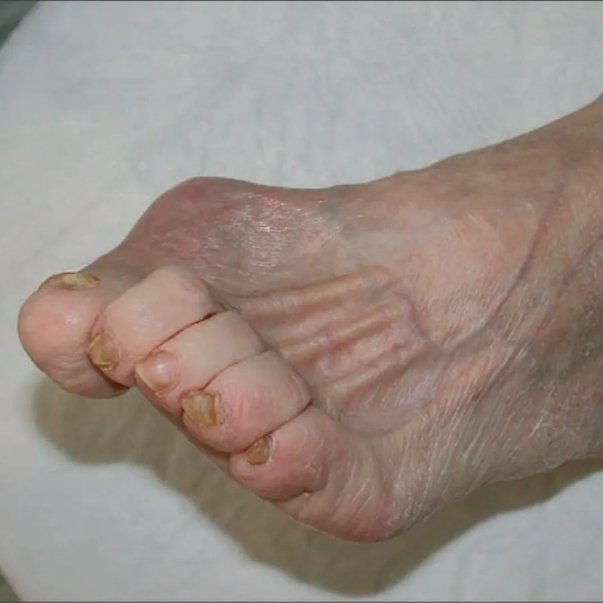
Foot Deformities
Repeated ulcers and tissue damage can alter the shape and function of the foot.
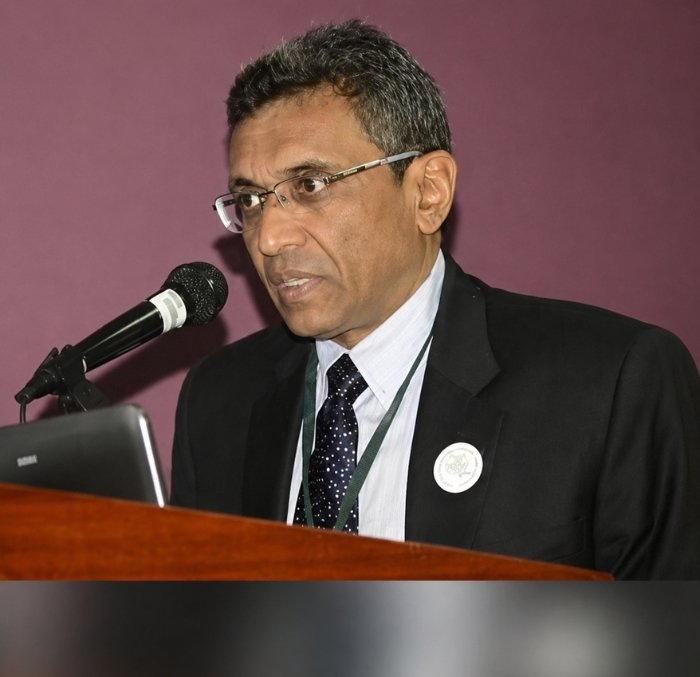
Meet Diabetic Foot Specialist in Ahmedabad
Dr. Malay Patel has practiced vascular and endovascular surgery in Ahmedabad since 1991, with peripheral artery disease and its complications, including diabetic foot problems requiring limb salvage, as part of his ongoing surgical and endovascular practice. He is currently attached to Apollo Hospital and SVP Hospital in Ahmedabad, and previously served as Assistant Professor of Vascular Surgery at Sheth V.S. General Hospital and Sheth K.M. School of Post-Graduate Medicine and Research from 2007 to 2018.
His broader standing in vascular surgery includes serving as President of the Vascular Society of India from 2003 to 2005. He has served as a peer reviewer for the journal Phlebology since 2013 and for the European Journal of Vascular and Endovascular Surgery since 2008, and is currently also an active peer reviewer for the Journal of Vascular Surgery – Venous and Lymphatic Disorders, the highest-indexed journal in vascular and endovascular surgery, roles that require staying current with evidence across the full range of vascular disease, including limb salvage approaches.
His practice, First Choice Vascular, evaluates diabetic foot wounds with blood flow and infection assessment as standard, and coordinates revascularization, debridement, and wound management together rather than treating the wound in isolation from the underlying circulation problem.
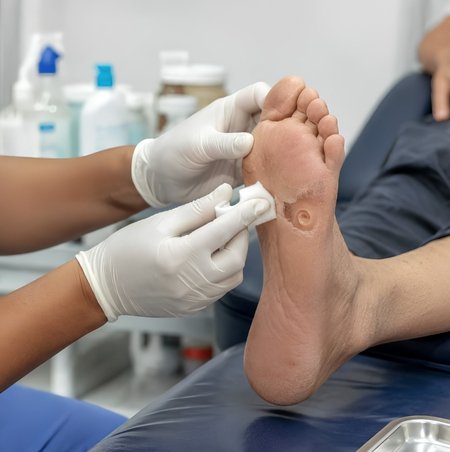
Restoring circulation, controlling infection, saving the foot.
A diabetic foot wound isn’t treated with dressing changes alone. Depending on your circulation, infection status, and wound depth, treatment may involve restoring blood flow, clearing infected tissue, reducing pressure on the wound, or a combination, all aimed at healing the wound and preserving the foot.
Blood Sugar and Medical Optimization
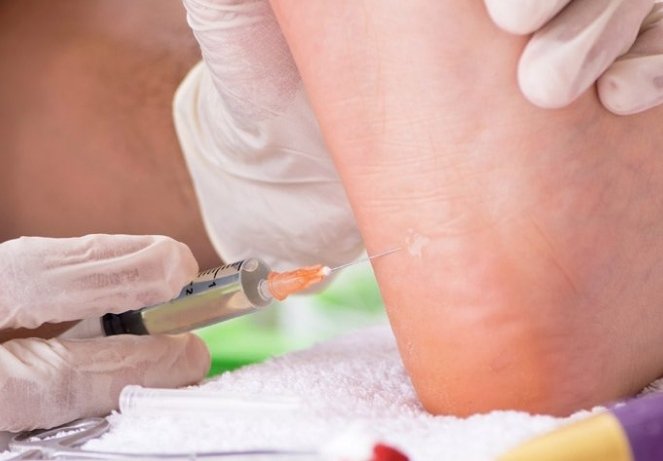
Working alongside your diabetes physician to bring blood sugar into a better range, since healing is significantly impaired when sugar control is poor, regardless of other treatment.
Debridement
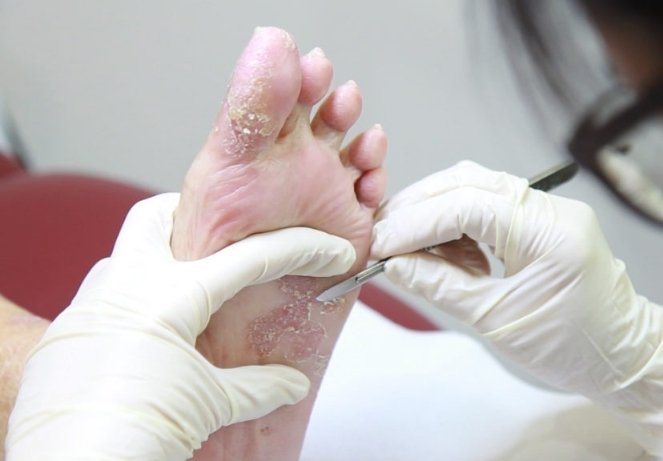
Removing dead or infected tissue from the wound so that healthy tissue is exposed and can heal, or so that a skin graft or other closure method has a viable base to work with. Often needs to be repeated over several visits.
Infection Control
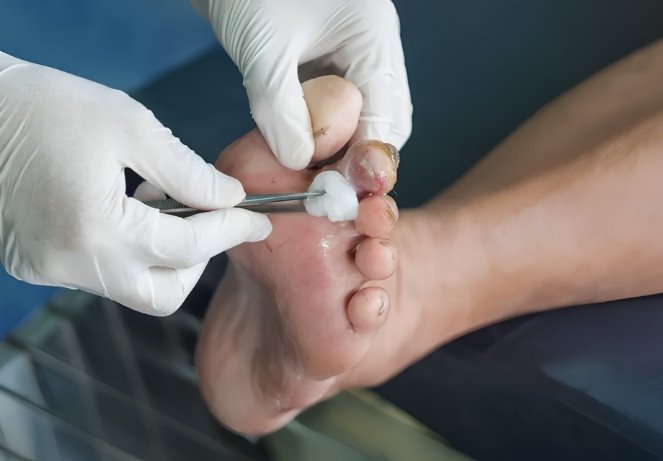
Antibiotics matched to wound cultures, and in cases of bone infection, a longer antibiotic course or surgical removal of infected bone
Revascularization (Angioplasty, Stenting, or Bypass)
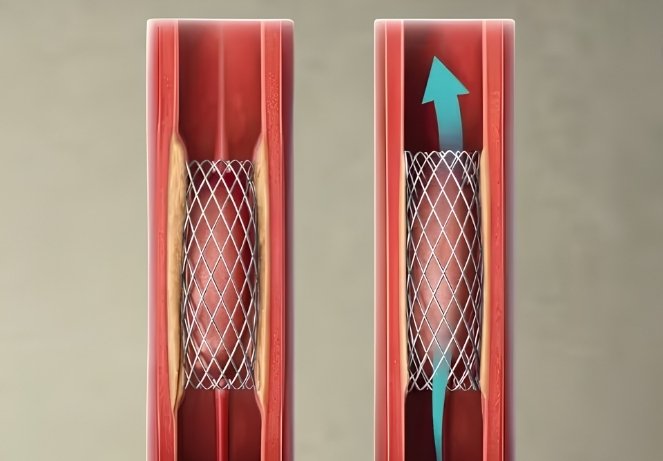
Restoring blood flow to the foot when circulation is inadequate, using catheter-based procedures or surgical bypass depending on the blockage pattern. This is often the step that determines whether the wound can heal at all.
Minor Procedures for Limb Salvage
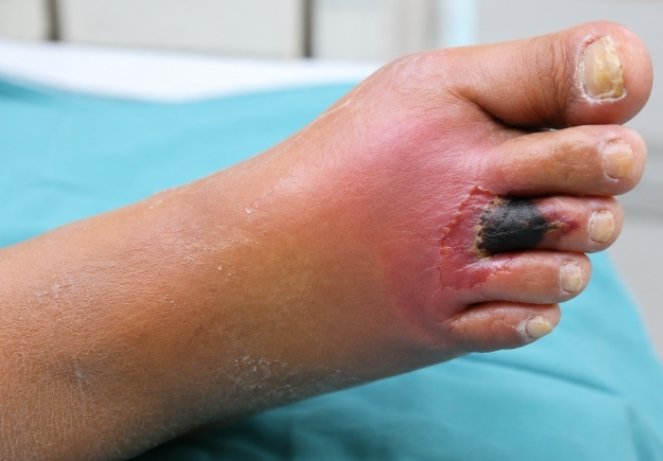
Removal of a single toe or a small part of the foot when tissue is no longer viable, done specifically to preserve as much of the functional foot as possible rather than proceeding to a larger amputation.

Diabetic Foot Specialist in Ahmedabad: Why Combined Vascular and Wound Expertise Matters
Diabetic foot wounds sit at the intersection of circulation, infection, and wound care, and treating any one of these without the others often means the wound doesn’t heal or recurs. Having vascular surgery expertise directly involved in diabetic foot management means the decision to restore blood flow isn’t a separate referral step, it happens as part of the same evaluation.
01. Vascular Surgery as the Core Discipline
Since a diabetic foot wound frequently won't heal without adequate blood flow, having a vascular surgeon directing care means circulation is assessed and, if needed, restored as a first step rather than an afterthought.
02. Experience Across the Full Spectrum of Vascular Disease
Decades of practice spanning venous disease, arterial disease, and their complications means diabetic foot cases are evaluated with the same depth applied to more visible conditions like varicose veins or PAD.
03. Peer Reviewer for International Journals
Reviewing for the European Journal of Vascular and Endovascular Surgery since 2008 and currently for the Journal of Vascular Surgery – Venous and Lymphatic Disorders, the highest-indexed journal in vascular and endovascular surgery, involves direct engagement with published evidence on vascular disease and its complications, including limb salvage.
04. Priority on Preserving Function
Minor procedures, when needed, are approached with the specific goal of preserving as much functional foot as possible, rather than defaulting to a larger amputation.
Advanced Interventions. Safer Outcomes.
Answers to Your Most Common Questions
Will I lose my toe or foot?
Not necessarily. Many diabetic foot wounds heal fully with debridement, blood flow restoration, and offloading. Amputation, when needed, is limited to the smallest extent necessary to control infection and remove tissue that can’t recover, the specific approach depends on your wound depth, blood flow, and infection extent.
Why isn't my wound healing despite regular dressing changes?
Dressing changes alone can’t overcome inadequate blood flow or unaddressed infection. If a wound isn’t improving despite good wound care, it usually means one of these underlying factors needs to be assessed and treated directly.
How long will healing take?
This varies widely depending on wound depth, blood flow, and infection extent – weeks for smaller, well-perfused wounds, to several months for deeper wounds requiring revascularization and staged debridement.
Can this happen again?
Yes, particularly at the same pressure point if the underlying cause isn’t corrected. This is why offloading, footwear guidance, and ongoing foot checks continue after a wound heals, not just during active treatment.
Should I be checking my feet even without a wound?
Yes. Daily self-checks for cuts, blisters, or color changes, along with a yearly professional foot examination, catch problems before they become established wounds, especially if you have reduced sensation.
Have More Questions? Fill Out Our Quick Form and Get Answers
If you have a diabetic foot wound that isn't healing, or any new redness, discharge, or dark discoloration, don't wait for it to look worse before seeking evaluation.