
Sclerotherapy in Ahmedabad
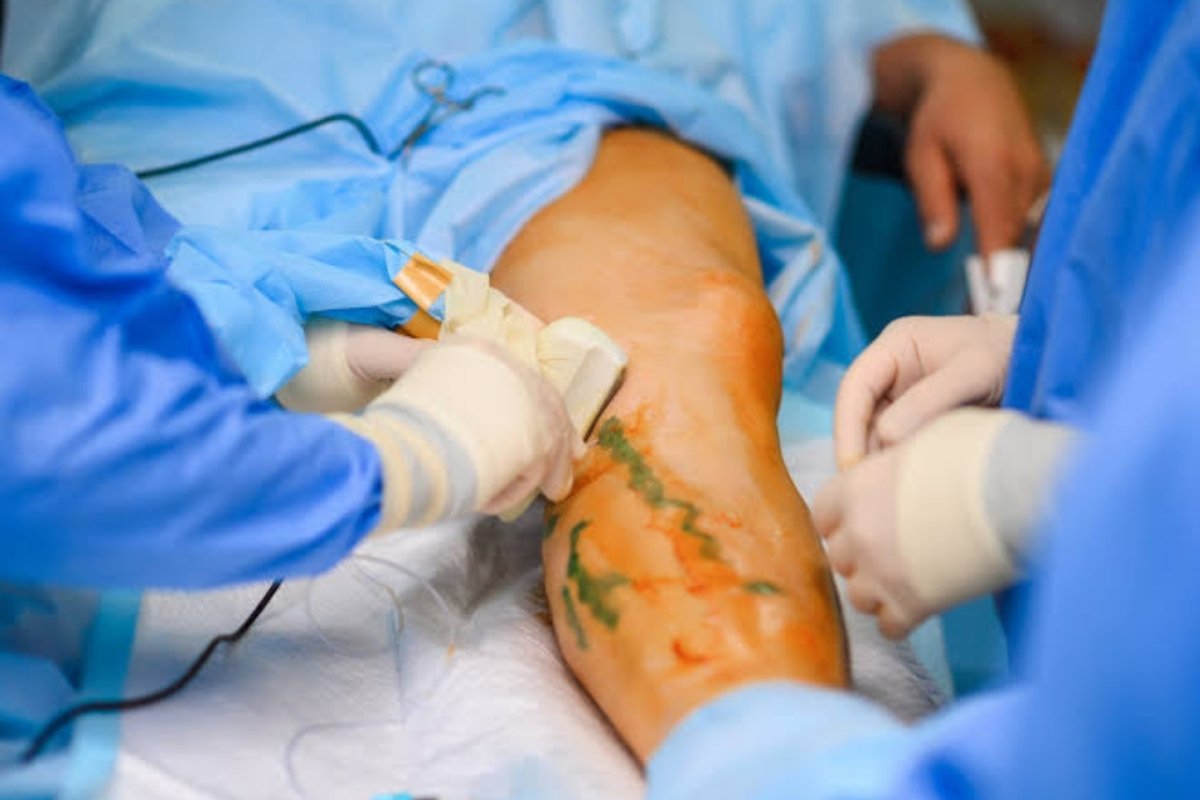
Ultrasound-guided foam sclerotherapy is a needle-based treatment that closes faulty veins from the inside, using a foamed sclerosant injected directly into the vein under real-time ultrasound guidance. No incisions, no burning lasers, no anesthesia, and no operating room. Dr. Malay Patel performs foam sclerotherapy in Ahmedabad as the primary treatment for varicose veins, applicable to trunk veins, tributaries, reticular veins, and spider veins alike.
Understanding How Foam Sclerotherapy Works
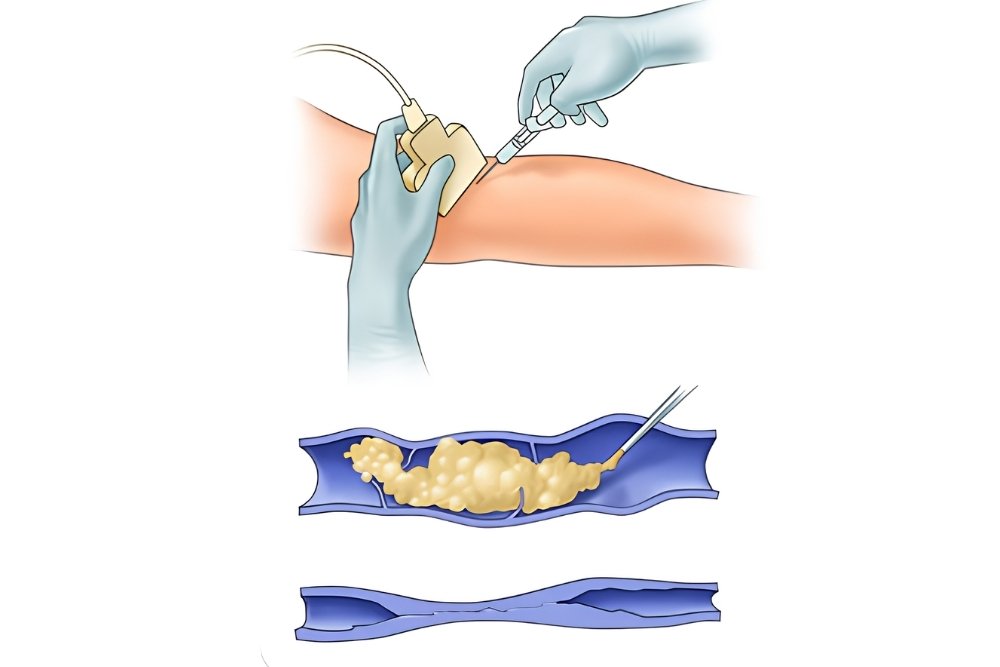
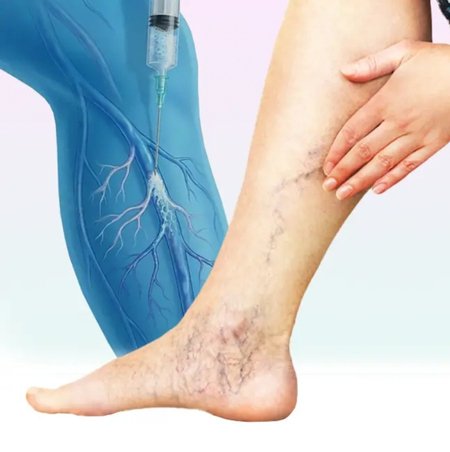
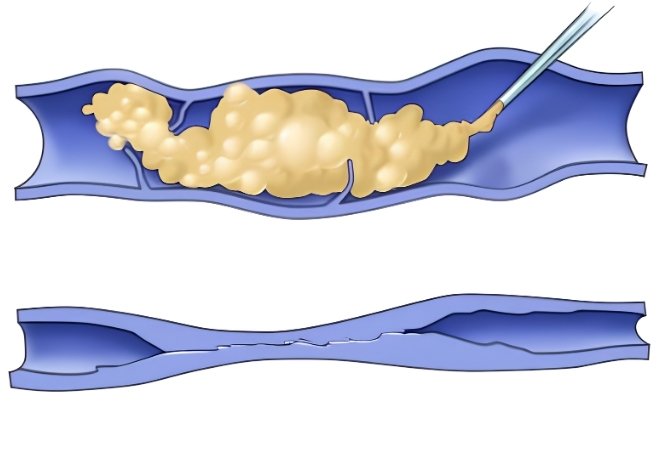
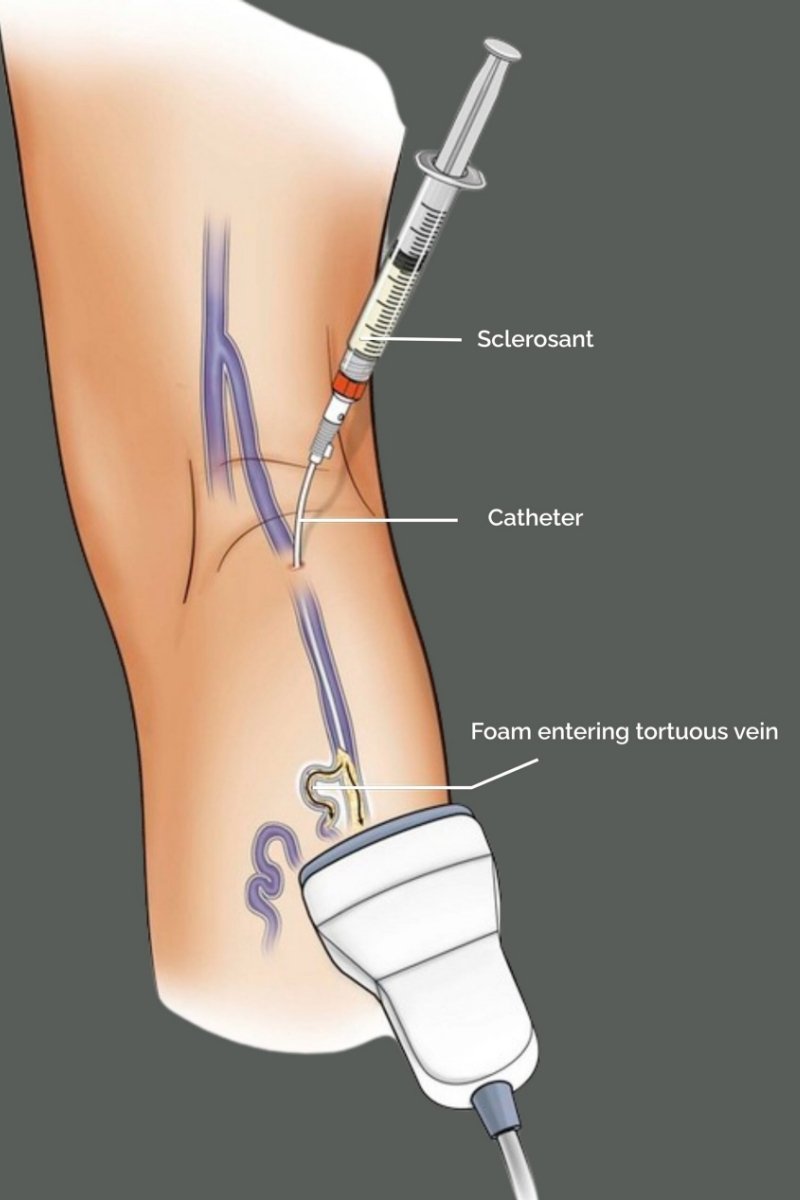
A liquid sclerosant medication is mechanically converted into a foam, which allows it to displace blood within the vein and stay in contact with the vein wall far more effectively than a liquid injection alone. Under real-time ultrasound guidance, the foam is injected directly into the faulty vein segment identified on your vein mapping.
The foam irritates and damages the inner lining of the vein wall, causing it to collapse and stick together. Over the following weeks, the body’s natural healing process gradually reabsorbs the closed vein, and blood flow reroutes through healthy veins nearby.
Because the foam is delivered under direct ultrasound visualization, it can be guided precisely to trunk veins, branching tributaries, and smaller reticular or spider veins in the same session, following the full pattern of reflux identified on your vein map – something a single, fixed catheter path cannot do.
Why Patients Choose Foam Sclerotherapy
No Surgery
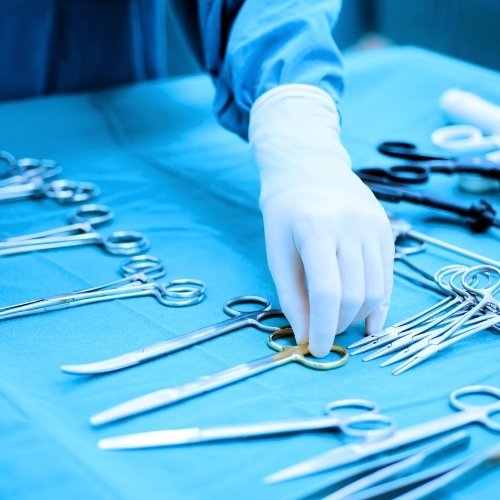
The faulty vein is closed through a needle, not removed through an incision. There’s no operating room, no stitches, and no surgical scar.
No Burning Lasers
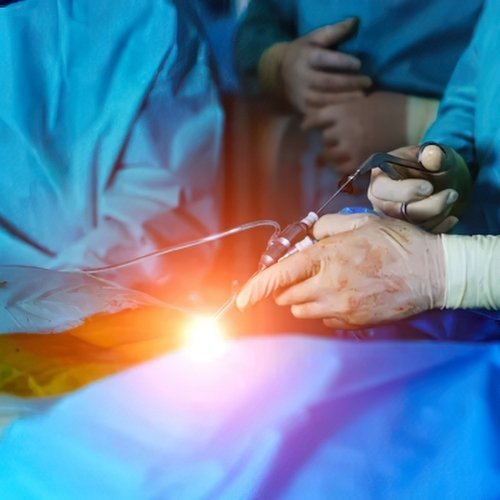
Unlike laser or radiofrequency ablation, foam sclerotherapy doesn’t use heat to seal the vein, which means no risk of heat-related skin or nerve injury and no burning sensation during treatment.
No Anesthesia
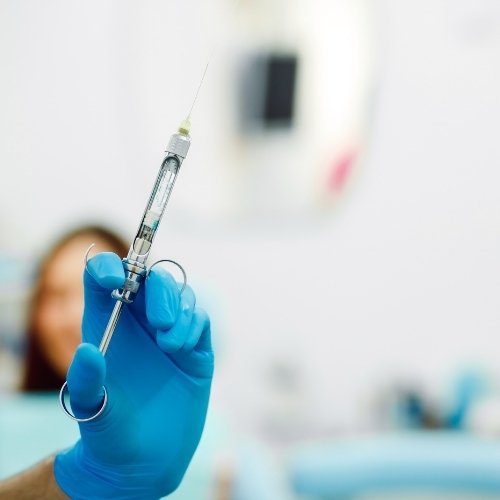
The procedure is done without general, spinal, or even local anesthesia in most cases. You’re awake, comfortable, and able to walk out immediately after.
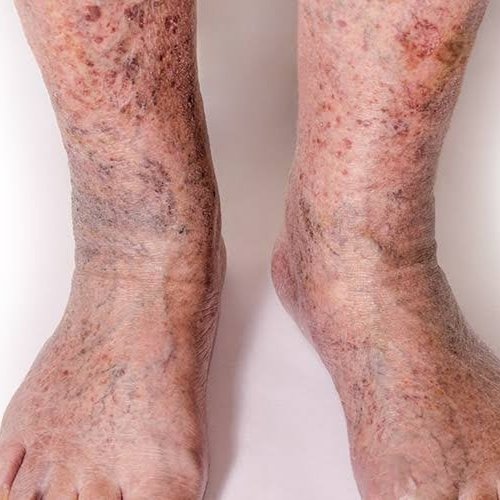
Skin changes
Unlike some treatments that require weeks of continuous compression stocking wear, foam sclerotherapy is designed around minimal reliance on stockings, so it fits more easily into daily life.
Causes and Risk Factors
Varicose veins are often caused by increased pressure in the veins due to:
Family History
A family history of varicose veins increases your risk.
Age and Hormonal Changes
Aging and hormonal fluctuations can weaken vein walls.
Lifestyle factors
Prolonged standing, obesity, or sedentary habits contribute to vein problems.
Pregnancy
Increased blood volume and hormonal changes can trigger varicose veins.
- Family History
A family history of varicose veins increases your risk.
- Age and hormonal changes
Aging and hormonal fluctuations can weaken vein walls.
- Lifestyle Factors
Prolonged standing, obesity, or sedentary habits contribute to vein problems.
- Pregnancy
Increased blood volume and hormonal changes can trigger varicose veins.
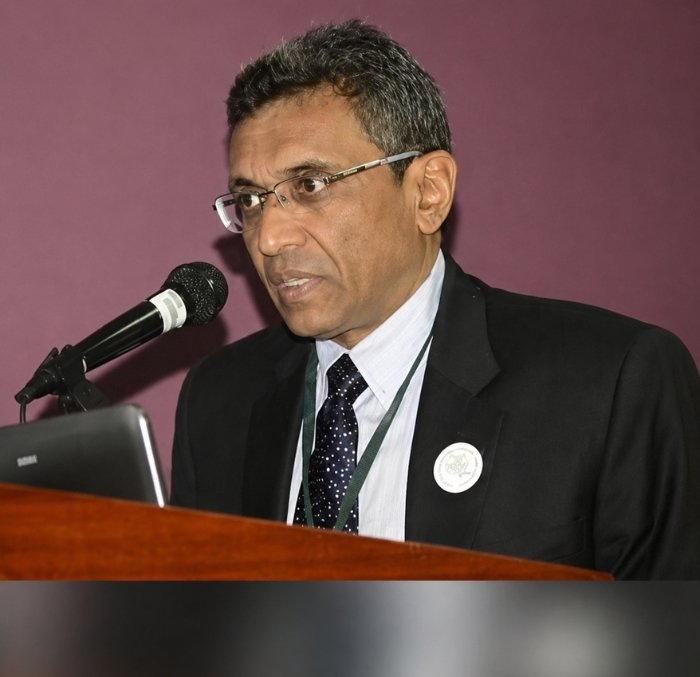
Meet Sclerotherapy Specialist in Ahmedabad
Dr. Malay Patel has practiced vascular and endovascular surgery in Ahmedabad since 1991, with phlebology as a dedicated focus for over two decades. He is currently attached to Apollo Hospital and SVP Hospital in Ahmedabad, and previously served as Assistant Professor of Vascular Surgery at Sheth V.S. General Hospital and Sheth K.M. School of Post-Graduate Medicine and Research from 2007 to 2018.
He was Founding President of the Venous Association of India (2007–2009) and served on the executive committee of the International Union of Phlebology from 2013 to 2021, including as Vice-President and Assistant General Secretary. He has served as a peer reviewer for the journal Phlebology since 2013 and for the European Journal of Vascular and Endovascular Surgery since 2008, and is currently also an active peer reviewer for the Journal of Vascular Surgery – Venous and Lymphatic Disorders, the highest-indexed journal in vascular and endovascular surgery.
His practice, First Choice Vascular, uses ultrasound-guided chemical endoablation with foamed sclerosants as its primary treatment for varicose veins, applicable to all types of superficial venous anatomy, with multiple sessions and follow-ups structured to ensure the full extent of reflux is controlled.
Myths and Facts About Foam Sclerotherapy
Myth: Laser treatment works better than sclerotherapy.
Fact: Laser ablation is limited to straight, adequately sized trunk veins large enough for a catheter. Foam sclerotherapy has no such restriction, treating tortuous veins, small tributaries, and previously treated or recurrent veins that a laser catheter cannot reach.
Myth: Sclerotherapy doesn't work for veins that have already been treated once and come back
Fact: Recurrent and residual veins are one of the situations foam sclerotherapy handles particularly well, since it doesn't require a straight catheter path through scarred or altered anatomy the way heat-based ablation does.
Why This Technique, Practiced This Way, Matters
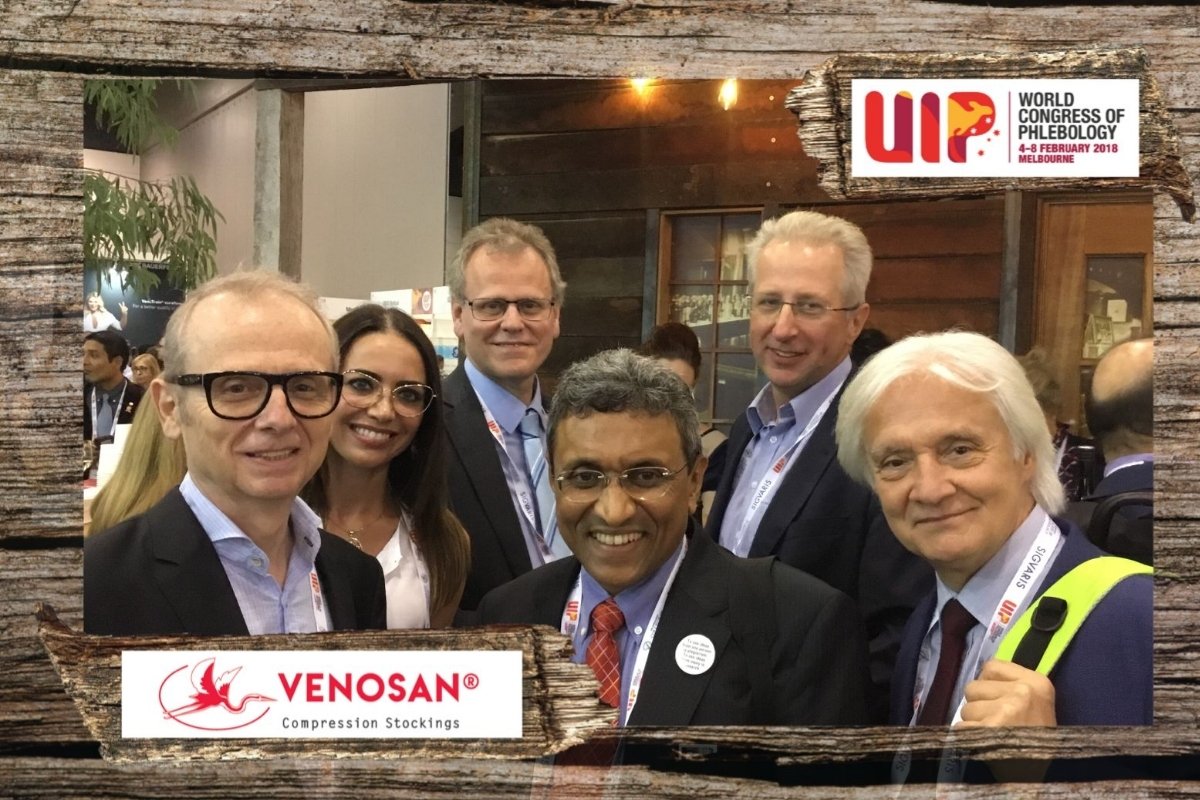
Founding President of the Venous Association of India and a former executive committee member of the International Union of Phlebology roles built specifically around venous disease and its treatment, including techniques like foam sclerotherapy.
Reviewing for Phlebology, the European Journal of Vascular and Endovascular Surgery, and currently the Journal of Vascular Surgery – Venous and Lymphatic Disorders means direct, ongoing engagement with the evidence behind sclerotherapy technique and outcomes as it’s published.
Foam sclerotherapy is used as the primary approach across the full spectrum of superficial venous anatomy, rather than switching between multiple device-dependent technologies meaning deep, repeated experience with this specific technique’s nuances.
Every case is planned as a staged course of sessions matched to the extent of reflux on your vein map, with follow-up ultrasound between sessions not a single injection expected to resolve everything at once.
Advanced Interventions. Safer Outcomes.
Answers to Your Most Common Questions
How is this different from laser or radiofrequency treatment?
Laser and radiofrequency ablation use heat delivered through a catheter, which requires a straight vein of adequate size to pass the catheter through. Foam sclerotherapy is injected directly under ultrasound guidance without this requirement, so it treats trunk veins, tortuous tributaries, and small surface veins alike.
Will it hurt?
Most patients describe brief needle sensation at each injection point rather than significant pain. No anesthesia is typically required.
How many sessions will I need?
This depends on the extent of reflux shown on your vein map. Some patients need only one or two sessions; more extensive cases may need three or more, with follow-up ultrasound guiding each subsequent session.
Will I need to wear compression stockings?
Foam sclerotherapy is designed around minimal reliance on extended stocking wear compared to some other treatments, though your specific plan is discussed based on your case.
Is this a proven, established technique, or something new?
Ultrasound-guided foam sclerotherapy was developed and refined over decades at leading vein clinics in the US and Europe and is a well-established international technique, not an experimental one.
Can this treat veins that came back after previous surgery or laser?
Yes, this is one of the situations where foam sclerotherapy is particularly well suited, since it doesn’t need a straight, unscarred catheter path the way heat-based ablation does.
Have More Questions? Fill Out Our Quick Form and Get Answers